















Calgary, Alberta: Calgary city councillors are considering the introduction of a new property tax levy as part of a broader effort to address a significant infrastructure funding shortfall that officials say threatens the long-term reliability of the city’s aging public assets.
The proposal, outlined in a recent city administration report, would establish an Infrastructure Renewal Levy dedicated specifically to funding repairs, upgrades and replacement of critical municipal infrastructure. The measure comes as Calgary faces mounting concerns over deteriorating roads, bridges, water systems, transit assets and community facilities.
The discussion follows increased public attention on infrastructure issues after the major water main rupture that disrupted services across the city last year.
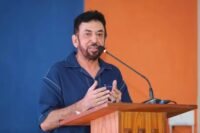
John Pantazopoulos, Calgary’s Ward 6 councillor, said residents are generally willing to support tax increases when the funds are clearly earmarked for specific projects and outcomes.
“Calgarians can accept paying more if they know exactly where the money is going and can see the results,” Pantazopoulos said, emphasizing the importance of transparency and accountability.
A city report released earlier this year estimated that Calgary will require approximately $49 billion in capital investment over the next decade to maintain and renew aging infrastructure. Municipal administrators warned that no single funding solution will be sufficient to close the gap.
Among the alternatives being examined are increasing the portion of existing property taxes dedicated to infrastructure, pursuing greater provincial and federal funding, developing public-private partnerships, selling municipal assets, utilizing tax-supported debt, and reallocating reserve funds toward urgent infrastructure projects.
DJ Kelly, Ward 4 councillor, described the infrastructure deficit as one of Calgary’s most pressing challenges.
“You can see the impacts in neighbourhoods across the city, from deteriorating sidewalks to aging playgrounds and public facilities,” Kelly said. “There is no magic solution. At some point, additional investment is required.”
Kelly also argued that increasing responsibilities downloaded from other levels of government have added financial pressure on municipalities, making it more difficult for cities to keep pace with infrastructure maintenance and growth.
City officials say priority areas include Calgary’s water distribution system, roads and bridges, public transit expansion and renewal, and community recreation facilities. Many local playgrounds and public amenities are reportedly at risk of closure within the next decade if funding levels do not improve.
As Calgary approaches a population of two million residents, councillors say long-term infrastructure investment has become increasingly urgent.
Pantazopoulos stressed that a rapidly growing city cannot afford to allow critical infrastructure to deteriorate.
Former Calgary city councillor Evan Spencer said the funding gap is the result of decades of underinvestment and political reluctance to prioritize long-term infrastructure spending.
Spencer argued that the true test will come later this year when council prepares Calgary’s next four-year budget.
“If Calgarians do not see significant and sustained increases in infrastructure funding in the upcoming budget, the burden will simply be passed on to future generations,” Spencer said.
City council is expected to continue reviewing funding options throughout the summer as it develops its next long-term capital investment strategy.
Courtesy: CBC
Post Disclaimer
The views and content presented in this article, news report, or video are solely those of the respective author or creator and do not necessarily reflect the official policy or position of BW Times Digital Online E-Paper.










Leave a comment