














Pakistan has introduced new regulations requiring international journalists and media contributors to obtain official permission before reporting from most parts of the country, a move that has sparked widespread concern among media organizations and press freedom advocates.
Under the newly implemented Foreign Media Facilitation Guidelines 2026, foreign journalists, including Pakistani nationals working for international news organizations, will now need prior authorization before travelling to or reporting from any location outside Islamabad, Karachi, and Lahore.
The new policy significantly expands reporting restrictions by placing much of Pakistan under a permission-based system for international media coverage. Journalists seeking to report from provinces, border regions, or other sensitive areas must first receive a No Objection Certificate (NOC) from the authorities before beginning their assignments.
Government officials have defended the guidelines, saying the measures are intended to create an administrative framework that verifies media personnel, coordinates reporting activities, and facilitates access where appropriate. Authorities maintain that the regulations are designed to improve administrative procedures rather than restrict journalism.
However, media representatives and press freedom advocates argue that the rules could substantially delay or limit coverage of major events, particularly in remote regions where timely reporting is often essential. Critics say the requirement for prior approval may affect the ability of international news organizations to cover breaking developments and conduct independent reporting.
The new regulations do not specify a fixed timeline for the approval process, raising concerns that delays could prevent journalists from reaching news locations while events are unfolding. In previous years, foreign correspondents have often reported lengthy waiting periods for travel permissions to certain areas.
The policy also extends to contributors working with foreign media organizations, including freelancers and locally based journalists operating outside the three designated cities. Those individuals will also require official permission before covering stories in other parts of Pakistan.
Another provision within the guidelines states that media accreditation may be suspended or revoked if authorities determine that reporting or conduct is considered harmful to Pakistan’s ideology, sovereignty, national security, or public order. Critics have expressed concern that these terms are broadly defined and may leave room for differing interpretations.
Legal experts have also questioned the regulatory basis of the new framework, arguing that the guidelines function as an executive administrative measure rather than legislation approved through Parliament. Some legal analysts believe the policy may face scrutiny over its legal standing if challenged.
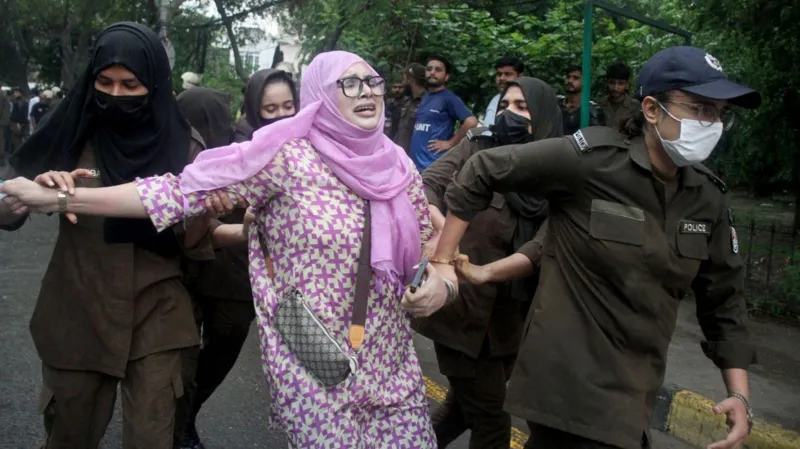
The announcement comes during a period of heightened political sensitivity in Pakistan, particularly following unrest in Pakistan-administered Kashmir, where weeks of demonstrations and clashes between protesters and security forces have resulted in multiple casualties. Local elections in the region are also underway, while restrictions on internet access have complicated independent verification of events.
According to media organizations, journalists currently working in Pakistan-administered Kashmir were instructed to leave the area immediately and apply for the required permissions before continuing their reporting. The directive followed the publication of several international reports covering the unrest in the region.
Media rights organizations have voiced concern that the restrictions may reduce transparency and make independent verification of developments more difficult. Several journalist associations are seeking discussions with government officials to clarify the implementation of the new policy and address concerns regarding press access.
Pakistan has faced ongoing international scrutiny over media freedom in recent years, with journalist groups repeatedly calling for stronger protections for independent reporting and greater access for both domestic and international media. Observers say the latest regulations are likely to intensify debate over the balance between national security considerations and freedom of the press.
As the new reporting framework takes effect, international news organizations, correspondents, and freelance contributors will now need to navigate additional administrative requirements before covering events across much of Pakistan, potentially reshaping how international reporting is conducted throughout the country.
Courtesy: BBC
Post Disclaimer
The views and content presented in this article, news report, or video are solely those of the respective author or creator and do not necessarily reflect the official policy or position of BW Times Digital Online E-Paper.







Leave a comment