












Violence continues to grip Pakistan-administered Kashmir as deadly clashes between security forces and protesters have left dozens of people dead and many others injured, deepening tensions across the region and prompting renewed calls for dialogue and accountability.
The unrest has been centred in Rawalakot, where demonstrations organized by the Joint Awami Action Committee (JAAC) have intensified over recent weeks. Protesters say they are demanding affordable electricity, lower flour prices, improved healthcare, better education, and the implementation of previous commitments made by the regional and federal governments.
Local residents describe an atmosphere of fear, uncertainty, and grief as families mourn relatives who lost their lives during the protests. Many claim that young demonstrators were among those killed or seriously wounded during confrontations with security personnel.
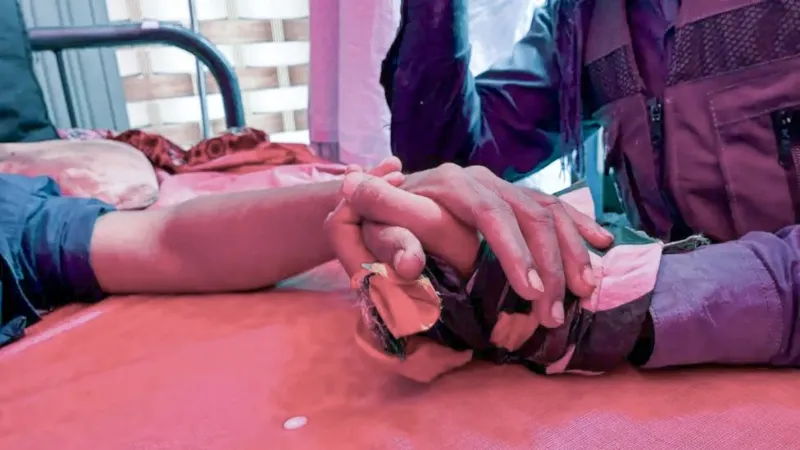
Medical volunteers operating makeshift treatment centres say they have cared for dozens of injured protesters, including many suffering gunshot wounds. According to doctors assisting the wounded, limited medical resources have forced them to provide only emergency first aid before critically injured patients require transfer to larger hospitals.
Some protesters allege they have been reluctant to seek treatment at public hospitals because they fear arrest or further action by authorities. Government officials have rejected those claims, insisting that hospitals remain open and accessible to anyone requiring medical care.
Families of those killed have spoken emotionally about their loss, describing their relatives as peaceful demonstrators who believed they were standing up for basic public rights. Several parents said their sons joined the protests believing they were participating in a movement seeking economic relief and social justice rather than political confrontation.
Relatives also expressed frustration over the continuing violence, saying they want an independent investigation into the deaths and accountability for those responsible. Many insist the demonstrations began peacefully before the situation escalated into deadly confrontations.
The Joint Awami Action Committee maintains that its campaign is focused on public welfare issues and implementation of agreements reached with the authorities last year. The group rejects accusations that it has engaged in terrorism or violent activities, describing itself as a grassroots movement representing the concerns of local residents.
Regional authorities strongly dispute that characterization. Officials say the JAAC was banned earlier this year after being declared an unlawful organization and accuse some members of attacking security personnel, blocking major roads, disrupting public order, and attempting to interfere with ongoing local elections.
The government has denied allegations that security forces fired indiscriminately at peaceful demonstrators, stating that law enforcement personnel responded only to individuals involved in violent acts or actions that threatened public safety.
Officials have also rejected claims that they prevented food supplies or medical assistance from reaching Rawalakot, saying humanitarian access has been facilitated while maintaining security measures throughout the area.
Authorities further allege that armed individuals associated with the protests have targeted security forces. Police have displayed weapons they say were recovered during operations and reported casualties among law enforcement personnel. Investigators claim some suspects admitted involvement in attacks during questioning, although those allegations remain disputed by protest organizers.
JAAC leaders have denied responsibility for attacks on security personnel and have suggested that unidentified individuals may have infiltrated demonstrations to provoke violence. However, they have not presented evidence to support those allegations. Government officials have dismissed such claims and accused protest leaders of spreading misinformation.
The unrest has disrupted daily life across parts of the region. Road closures, security checkpoints, and shortages of essential goods have affected residents, while many businesses remain closed. Local communities have relied on volunteers to distribute food and basic supplies to those affected by the ongoing crisis.
The demonstrations are taking place during a sensitive political period as local elections continue across Pakistan-administered Kashmir, adding further complexity to an already volatile situation.
Despite the violence, protest organizers say they remain willing to engage in dialogue if meaningful negotiations are offered. At the same time, they have announced plans to continue demonstrations until their demands are addressed.
With tensions showing few signs of easing, residents and community leaders are urging all sides to exercise restraint and pursue peaceful dialogue to prevent further loss of life. The crisis has become one of the most serious episodes of civil unrest in the region in recent years, leaving families grieving while raising broader concerns about governance, public trust, and the future stability of Pakistan-administered Kashmir.
Courtesy: BBC
Post Disclaimer
The views and content presented in this article, news report, or video are solely those of the respective author or creator and do not necessarily reflect the official policy or position of BW Times Digital Online E-Paper.






Leave a comment