









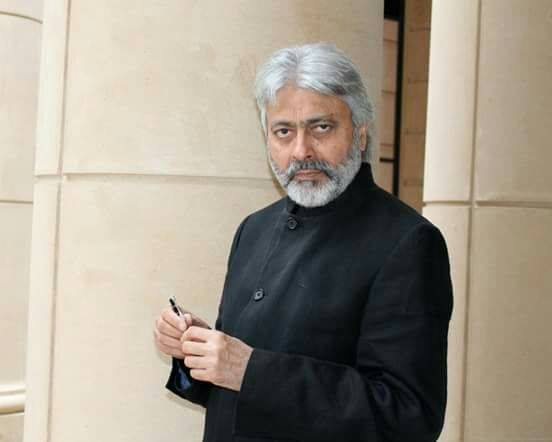
Among the legendary names of Pashto music, few artists left as deep an impact as Fazal Malik Akif. Blessed with a powerful bass voice, unmatched stage presence, and a fearless approach to musical experimentation, Akif became one of the most recognizable faces of Pakistan Television during the golden era of music programming. His contribution not only transformed Pashto music but also elevated regional language singing to a national audience.
Born in Kohat, Akif entered the world of music at a young age. His official singing career began through Radio Pakistan Peshawar, where producers quickly recognized the richness of his voice. What distinguished him from many contemporaries was his willingness to challenge conventions. While traditional Pashto music relied heavily on classical folk arrangements, Akif introduced modern instruments and contemporary musical structures without sacrificing the soul of Pashtun culture.
His rise to national fame came through Pakistan Television. In 1969, he appeared on the famous PTV talent program “Naye Funkaar,” where his performance attracted immediate attention from producers and viewers alike. The program became a turning point in his career, opening the doors to regular television appearances and nationwide recognition.
Throughout the 1970s and 1980s, Akif became a familiar face on numerous PTV music and cultural productions. He performed in celebrated programs such as “Aaghosh-e-Kohistan,” “Lok Tamasha,” “Lok Mela,” “Lok Virsa,” “Nandara,” and “Mehfil.” These programs showcased Pakistan’s cultural diversity, and Akif’s performances often became highlights due to his emotional delivery and commanding voice. Viewers eagerly awaited his appearances, and his songs frequently became popular across the country.
Unlike many singers who remained seated or static during performances, Akif brought extraordinary energy to the stage. His expressive body language, emotional involvement, and direct engagement with audiences created a new standard for live Pashto performances. Music critics often described him as a game changer because he introduced a modern performance style that was uncommon in Pashto music at the time.
His repertoire extended beyond Pashto songs. Akif successfully performed in Urdu, Hindko, Punjabi, Sindhi, Balochi, Saraiki, and Persian, demonstrating remarkable versatility. This multilingual ability helped him connect with audiences from different regions and strengthened his status as a national artist rather than a regional performer.
PTV producers frequently invited him to major musical events and special transmissions because of his popularity and unique style. During the golden age of Pakistan Television, when live music programs dominated weekend entertainment, Akif’s performances consistently attracted large audiences. His songs combined romance, poetry, and cultural pride, making him particularly popular among young listeners.
Among his most celebrated songs are “Zama Meena,” “Baraan Wai Baraan,” and many other folk-inspired compositions that remain popular among Pashto music lovers. His recordings demonstrated exceptional vocal control, emotional depth, and a distinctive tone that few singers could replicate.
Beyond commercial success, Fazal Malik Akif played a significant role in preserving Pashto cultural identity through music. He proved that regional music could evolve while remaining connected to its roots. His influence can still be heard in the work of modern Pashto singers who continue to draw inspiration from his pioneering approach.
Today, Fazal Malik Akif is remembered not merely as a singer but as a cultural institution. His remarkable journey from Radio Pakistan to becoming a celebrated PTV star reflects a career built on talent, originality, and artistic courage. For many admirers of Pashto music, he remains one of the greatest voices ever produced by Pakistan, a performer whose legacy continues to inspire new generations of artists and music lovers.
Post Disclaimer
The views and content presented in this article, news report, or video are solely those of the respective author or creator and do not necessarily reflect the official policy or position of BW Times Digital Online E-Paper.











Leave a comment