












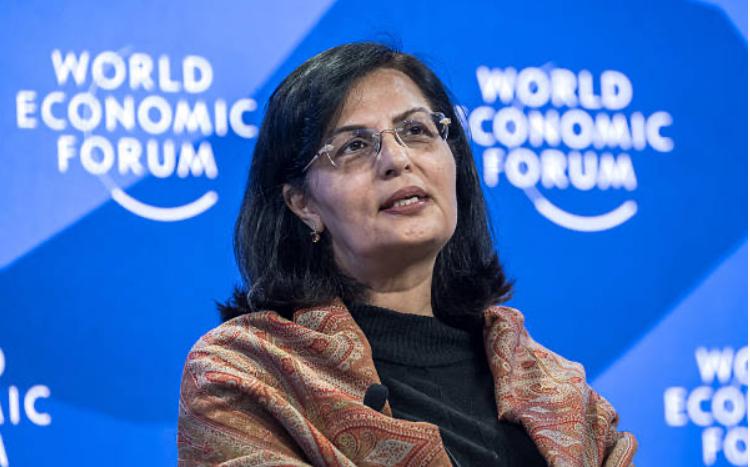
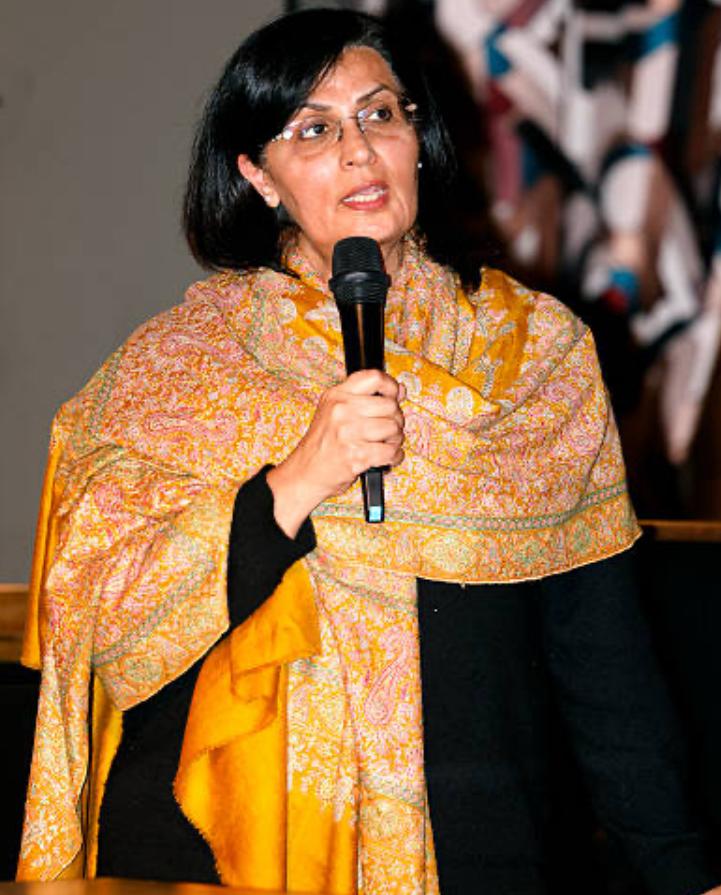
Sania Nishtar is widely recognized as one of Pakistan’s most influential figures in public health policy, social protection reform, and technocratic governance. Her career is distinct because, unlike many traditional politicians, she entered the political arena with a strong foundation in medicine, global development, and institutional reform rather than party activism or electoral politics.
Born in Peshawar in 1963, Sania Nishtar trained as a medical doctor and specialized in cardiology before expanding her academic and professional work into public health. She later pursued advanced studies in health policy, which helped shape her understanding of systemic healthcare challenges in developing countries. Over time, she moved beyond clinical medicine and began focusing on large-scale policy reform, governance systems, and social equity. Her early work included the founding of Heartfile, a non-governmental organization aimed at improving healthcare access and transparency in Pakistan. Through this platform, she gained international recognition for her advocacy of health equity, universal coverage, and anti-corruption measures in the health sector.
Her reputation as a credible and independent expert led to her involvement in global policy discussions, where she worked with major international organizations and advisory bodies. This global exposure positioned her as a technocrat capable of bridging local challenges with international best practices. However, her entry into Pakistan’s political structure came later and was largely driven by her expertise rather than political ambition.
Her first formal role in government came during the 2013 caretaker setup, where she briefly handled key federal portfolios including health, education, and science. Although that tenure was short, it demonstrated her administrative capabilities and her focus on reform-oriented governance. She was seen as someone who could introduce transparency and efficiency into public sector institutions.
Her most significant political and administrative role began after the 2018 general elections, when she joined the government led by Imran Khan under the banner of Pakistan Tehreek-e-Insaf. She was appointed as Special Assistant to the Prime Minister on Poverty Alleviation and Social Safety, with the status of a federal minister. In this role, she was given the responsibility to design and implement one of the most ambitious welfare initiatives in Pakistan’s history.
Her leadership of the Ehsaas Programme became the defining chapter of her career. The Ehsaas Programme was not just a single initiative but a comprehensive social protection framework aimed at reducing poverty, improving financial inclusion, and strengthening safety nets for vulnerable populations. It brought together multiple welfare schemes under one umbrella and emphasized transparency through digital systems, biometric verification, and data-driven targeting.
The real test of her leadership came during the COVID-19 pandemic, when Pakistan, like many countries, faced an unprecedented economic and social crisis. Lockdowns and restrictions led to widespread job losses, particularly among daily wage earners and informal sector workers. In response, the government launched the Ehsaas Emergency Cash program under her supervision.
This initiative rapidly distributed financial assistance to millions of families across the country. What made it notable was the scale and speed at which it operated, along with its reliance on technology to minimize corruption and ensure that funds reached the intended recipients. Beneficiaries were identified through a national database system, and payments were delivered through a transparent and verifiable mechanism. The program was widely acknowledged as a critical lifeline for low-income households during the pandemic, helping to prevent a deeper humanitarian crisis.
Beyond emergency relief, she also worked on structural reforms within Pakistan’s social protection system. These included expanding welfare registries, increasing access to financial services for marginalized communities, and introducing initiatives focused on education, nutrition, and women’s empowerment. Her approach consistently emphasized long-term sustainability rather than short-term political gains.
Despite her association with PTI, Sania Nishtar maintained the image of a technocrat rather than a political figure engaged in partisan debates. She was rarely seen in political rhetoric or campaign-style politics, instead focusing on governance, implementation, and institutional reform. This distinction allowed her to maintain credibility both domestically and internationally.
Following the political changes in Pakistan in 2022, her role in government came to an end. However, she continued to serve as a member of the Senate, a position she had assumed earlier. Her time in the Senate further reflected her policy-oriented approach, as she remained engaged in discussions related to social protection, healthcare, and governance reforms.
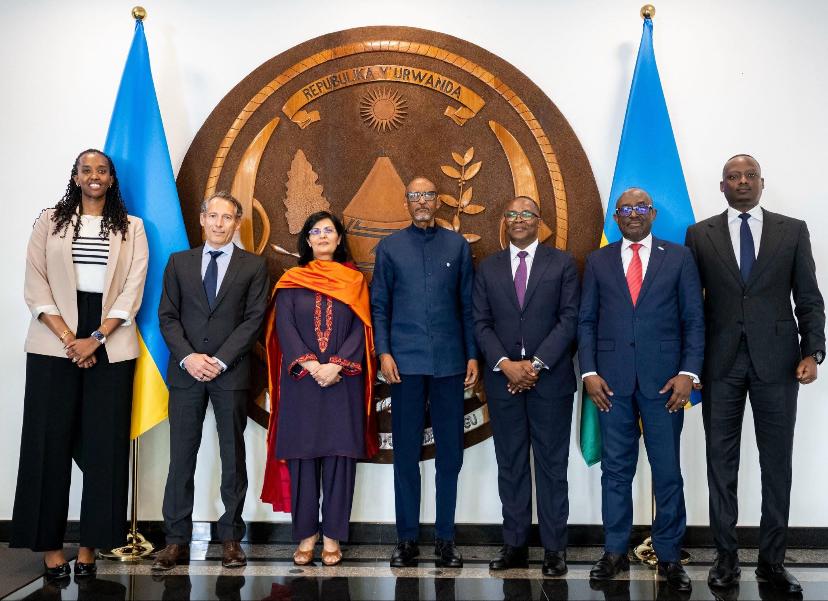
In 2024, she made a significant transition by resigning from the Senate to take on a major global leadership role as the head of Gavi, the Vaccine Alliance. This organization is one of the world’s leading institutions working to improve access to vaccines, particularly in low- and middle-income countries. Her appointment to this position marked a new phase in her career, shifting her focus from national policy to global health leadership.
Her move abroad led to some speculation about why she left Pakistan, but the reality is more straightforward. Her departure was not due to political pressure or exile but rather a professional advancement aligned with her expertise in public health and social systems. It represents a continuation of her work on a larger, international scale.
Sania Nishtar’s career reflects a unique blend of public service, technical expertise, and reform-driven leadership. Her time with PTI demonstrated how technocrats can play a critical role in governance, particularly in areas requiring specialized knowledge and institutional change. Her work during COVID-19 remains one of the most significant examples of crisis response in Pakistan’s recent history.
Today, she stands as a global figure in public health, with her contributions extending far beyond Pakistan. Her legacy within the country is closely tied to the transformation of social protection systems and the delivery of large-scale welfare programs during a time of national crisis.
Post Disclaimer
The views and content presented in this article, news report, or video are solely those of the respective author or creator and do not necessarily reflect the official policy or position of BW Times Digital Online E-Paper.









Leave a comment