














In multicultural Canada, Vaisakhi is celebrated as one of the most important religious and cultural festivals for the Sikh community. It is not only a spiritual occasion but also a powerful reminder of unity, diversity, and shared values that define Canadian society. Each year, political leaders at all levels, along with community organizations and interfaith groups, extend heartfelt greetings to Sikh Canadians. In cities like Calgary, where Sikh and Muslim communities both play an active role in civic and social life, Vaisakhi is widely recognized as a symbol of respect, harmony, and togetherness.
In 2026, leaders across Canada once again acknowledged Vaisakhi and its deep meaning. Messages from federal, provincial, and municipal representatives highlighted the importance of Sikh Canadians in building a strong and inclusive nation. These greetings emphasized values such as equality, service, compassion, and community support, which are central to both Sikh teachings and Canadian multicultural identity.
Vaisakhi, celebrated annually on April 13 or 14, has its origins in Sikh history and agriculture. Its most significant historical moment dates back to 1699, when the tenth Sikh Guru, Guru Gobind Singh, established the Khalsa Panth at Anandpur Sahib in Punjab. This event marked a defining transformation in Sikh identity, shaping a community committed to justice, courage, discipline, and equality.
On that historic day, Guru Gobind Singh called upon Sikhs to demonstrate their devotion and faith. Five volunteers stepped forward and were initiated into the Khalsa through a sacred ceremony. This moment symbolized the birth of a strong and unified collective identity. The introduction of the Five Ks further strengthened Sikh discipline and identity, representing faith, commitment, and spiritual responsibility.
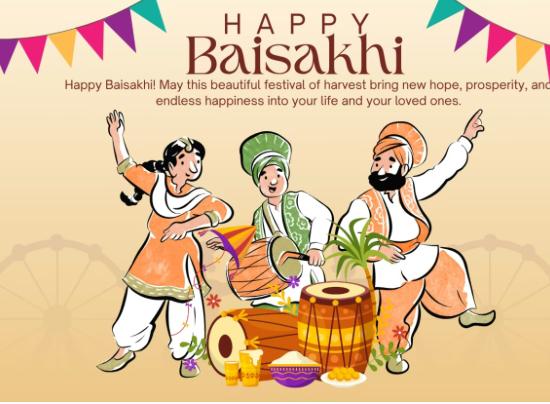
Alongside its religious importance, Vaisakhi is also a harvest festival in Punjab. It marks gratitude for a successful crop season and the beginning of the traditional new year. For centuries, it has been a time of celebration, reflection, and thanksgiving in rural communities.
In Canada, Vaisakhi has grown into one of the largest and most visible celebrations of Sikh heritage outside South Asia. Major cities host Nagar Kirtan parades, which include devotional music, colorful processions, and community participation. A central part of these celebrations is langar, a free community kitchen where meals are served to all people regardless of religion, background, or social status. This tradition reflects the Sikh principle of equality and selfless service.
In Calgary, Vaisakhi is celebrated with great enthusiasm. The Sikh community organizes events that welcome people from all backgrounds, including Sikh, Muslim, Christian, Hindu, and others. These gatherings highlight the inclusive nature of Canadian society and promote mutual understanding among different cultural and religious communities.
One of the most meaningful aspects of Vaisakhi is its message of service and compassion. The tradition of langar continues to be a powerful example of generosity and equality, bringing people together in a shared space of respect and humanity.
Across Canada, the recognition of Sikh Heritage Month in April further highlights the importance of Sikh contributions to the country. Vaisakhi stands at the heart of this month, connecting history, tradition, and modern cultural identity. It provides an opportunity to reflect on the values that Sikh Canadians bring to public life, including resilience, hard work, and community service.
Political leaders consistently use Vaisakhi as an occasion to reaffirm Canada’s commitment to diversity and inclusion. They acknowledge the significant contributions of Sikh Canadians in all sectors of society, including business, education, public service, and community leadership. These messages reinforce the idea that Canada’s strength lies in its diversity.
Equally important is the spirit of interfaith harmony that Vaisakhi represents in Calgary and across the country. Muslim communities, along with other faith groups, often join in extending greetings and participating in celebrations. This exchange of goodwill helps strengthen social bonds and encourages peaceful coexistence among different communities.
At its core, Vaisakhi is a celebration of faith, identity, and community. It commemorates the establishment of the Khalsa and continues to inspire values of courage, equality, and service. It is both a spiritual milestone and a cultural celebration that resonates far beyond the Sikh community.
As Vaisakhi 2026 is observed across Canada, messages of goodwill from political leaders and community voices highlight the importance of unity, respect, and shared humanity. These greetings reflect a broader national commitment to inclusion and multicultural harmony.
On this joyful occasion, Vaisakhi stands as a reminder that diversity is a strength, and that communities working together can build a more peaceful and prosperous society for everyone in Calgary and across Canada.
Post Disclaimer
The views and content presented in this article, news report, or video are solely those of the respective author or creator and do not necessarily reflect the official policy or position of BW Times Digital Online E-Paper.










Leave a comment