




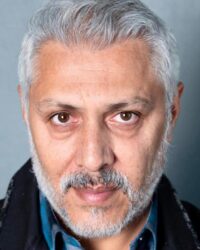

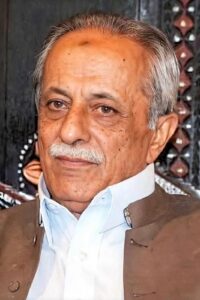
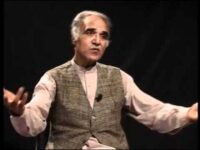



Alberta’s newly released electoral boundary recommendations have intensified political tensions at the provincial legislature, with retired Court of Appeal justice Brian O’Ferrall defending the work of the advisory panel he chaired amid opposition accusations that the proposed maps could undermine fair representation.
The panel’s report, tabled in the Alberta legislature on November 2, recommends increasing the number of provincial electoral districts from 87 to 91 ahead of the next provincial election, scheduled for October 18, 2027.
O’Ferrall acknowledged in the report that disagreements over the panel’s mandate and the constitutionality of its proposals consumed considerable time during the review process. He said he had been unsuccessful in keeping discussions focused on the merits of the proposed electoral boundaries.
The controversy centres particularly on proposed changes in Calgary and Lethbridge, where several urban communities would be combined with surrounding rural areas to create hybrid electoral districts.
Under the majority recommendations, two rural ridings that had previously been proposed for elimination would be restored, although with revised boundaries. These include Lac Ste. Anne and Rocky Mountain House-Sundre.
The report also proposes expanding some Calgary electoral districts into nearby rural communities and dividing Lethbridge into four constituencies. One would be an entirely urban riding, while the other three would combine parts of the city with surrounding rural communities.
The panel majority argues that these arrangements would reflect regional connections and the shared economic interests of urban and rural residents.
However, the two members appointed by the Alberta NDP, constitutional law professor Gerard Kennedy and former Okotoks councillor Brent Robinson, submitted a minority position raising concerns about the proposed changes.
They argued that the recommendations affecting Calgary and Lethbridge could have partisan implications and potentially exceed the panel’s mandate. They also warned that the courts could become involved, possibly resulting in judges determining the electoral boundaries for the next provincial election.
The opposition has accused Premier Danielle Smith’s United Conservative government of using the redrawing process to strengthen its electoral position. NDP Leader Naheed Nenshi has said his party intends to challenge the proposed maps in court if they are adopted.
The UCP-appointed majority has rejected allegations of improper political interference, maintaining that the recommendations are based on regional representation and the need to ensure rural communities retain an effective voice.
O’Ferrall, in his report, criticized what he described as repeated disputes over constitutional and partisan concerns. He maintained that the panel’s proposals were not unconstitutional, while acknowledging that determining their legal validity was ultimately a matter for others.
The latest review follows an earlier electoral boundaries commission that produced divided recommendations. That commission’s majority had proposed eliminating two rural seats to accommodate population growth in Alberta’s larger cities, while its minority members supported alternative arrangements combining urban and rural communities.
The Smith government rejected the earlier report and established a new advisory panel overseen by a legislature committee dominated by UCP members. The decision to restart the process prompted concerns from opposition representatives and legal observers about the independence and transparency of the review.
The appointment of O’Ferrall also attracted scrutiny after the NDP raised questions about his previous political donations to the UCP. Government representatives defended his appointment, pointing to his judicial and legal experience.
The latest report now moves to the legislature, where MLAs are expected to debate the proposed changes. Justice Minister Mickey Amery has indicated that the government expects the new boundaries to be adopted before the end of November.
Elections Alberta Chief Electoral Officer Gordon McClure has previously warned that the timeline for implementing new electoral maps before the 2027 election is extremely tight. He suggested that the province consider holding the next election using the existing boundaries or postponing it if the new maps cannot be completed in time. The government has rejected the prospect of delaying the election.
The debate over Alberta’s electoral boundaries is now moving beyond technical questions of population distribution and representation. It has become a major political and legal dispute over the independence of the boundary-setting process, the role of rural and urban voters, and the rules that will govern the province’s next election.
Courtesy: CBC
Post Disclaimer
The views and content presented in this article, news report, or video are solely those of the respective author or creator and do not necessarily reflect the official policy or position of BW Times Digital Online E-Paper.



Leave a comment