















WASHINGTON, November 3, 2026: Millions of Americans are heading to the polls on Tuesday in a closely watched midterm election that could reshape the balance of power in Washington and deliver a major political verdict on President Donald Trump’s second term. Control of Congress, the future of the Republican legislative agenda and the direction of American foreign policy are among the major issues at stake.
The elections are particularly important for Trump, whose administration is facing mounting political pressure over the economy, rising living costs, immigration policies and the ongoing military conflict with Iran. Democrats are hoping to regain control of Congress, while Republicans are fighting to preserve their narrow majorities in both chambers.
The outcome could significantly influence the final two years of Trump’s presidency and determine how much political authority his administration retains before the 2028 presidential election.
435 House Seats and 35 Senate Seats at Stake
The US Congress consists of the House of Representatives and the Senate. Both chambers are facing crucial contests in the November 3 elections.
All 435 seats in the House of Representatives are being contested, while 35 of the Senate’s 100 seats are on the ballot, including two special elections.
Republicans currently hold 219 seats in the House compared with 214 Democrats, with two vacancies. A party needs 218 seats for a majority in the full chamber.
The Senate currently has 53 Republicans, 45 Democrats and two independents who caucus with Democrats. Republicans therefore hold a 53-47 advantage in the chamber.
Democrats need a net gain of four Senate seats to secure an outright majority of 51. They are also attempting to win at least three additional House seats to overcome the current Republican advantage, subject to the final composition of the chamber.
The Senate contests include 22 Republican-held seats and 13 Democratic-held seats, placing Republicans in the position of defending more territory.
In addition to congressional elections, voters are choosing governors in 36 states and deciding thousands of state legislative and local government contests.
Democrats Favoured to Win the House
Political forecasts heading into Election Day suggest Democrats have a stronger opportunity to regain control of the House of Representatives.
Several forecasting models have placed the Democratic probability of winning the House between approximately 83 and 90 per cent. Some projections suggest Democrats could secure around 235 to 242 seats, although the actual result will depend on turnout and individual district contests.
The Senate presents a more complicated challenge. Forecasting models have also moved towards Democrats, with some giving them approximately a 63 to 83 per cent chance of taking control. However, the uncertainty remains greater because Democrats must win several competitive contests, including races in states where Republicans have traditionally performed strongly.
Economic dissatisfaction is emerging as a major factor influencing voters. Inflation, housing costs, healthcare expenses and rising fuel prices have become central campaign issues.
Trump’s approval ratings have also created difficulties for Republican candidates. A Reuters/Ipsos survey published ahead of Election Day showed Democrats leading Republicans by eight percentage points in a national congressional preference measure.
Historically, the president’s party frequently loses congressional seats during midterm elections. That pattern is adding pressure on Republicans as they attempt to defend their congressional majorities.
Michigan, Alaska, Texas and Other Battlegrounds
Several Senate contests are attracting national attention because their outcomes could determine control of the chamber.
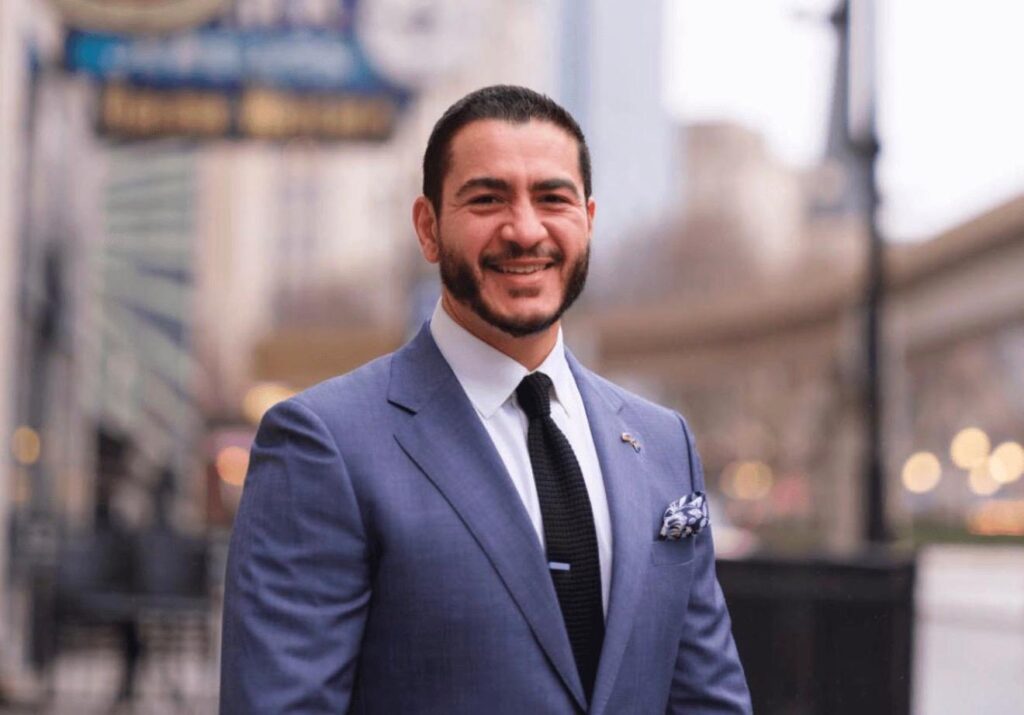
Michigan is among the most closely watched states, where Democratic candidate Abdul El-Sayed is challenging Republican Mike Rogers. The contest has attracted attention because El-Sayed could become the first Muslim elected to the US Senate if successful.
Alaska is another important battleground, while competitive contests in Kansas, Maine, Georgia and North Carolina could also influence the final Senate balance.
In Texas, Democratic candidate James Talarico is challenging Republican Ken Paxton in a politically significant contest.
These races are especially important because Democrats must gain seats in states that have frequently supported Republican candidates in presidential and congressional elections.
At Least 51 Muslim Americans Running for Political Office
One of the most notable developments in the 2026 midterm elections is the growing participation of Muslim Americans in national, state and local politics.
According to an analysis by Muslim Network TV, at least 51 Muslim Americans are contesting elections across approximately 23 states.
The candidates are seeking positions ranging from the US Senate and House of Representatives to state legislatures, county governments and local public offices.
The reported breakdown includes 40 Democrats, four Republicans, four nonpartisan candidates, two independents and one Green Party candidate.
The figure represents a documented minimum rather than an official nationwide government count.
Eleven Muslim candidates are running for Congress, including one Senate candidate and 10 House candidates.
The most closely watched contest involves Abdul El-Sayed in Michigan. A physician and former Detroit health director, El-Sayed won the Democratic Senate primary in August and is now competing against Republican Mike Rogers.
If elected, he would become the first Muslim member of the United States Senate, representing a historic milestone for Muslim American political representation.
Other prominent Muslim candidates include:
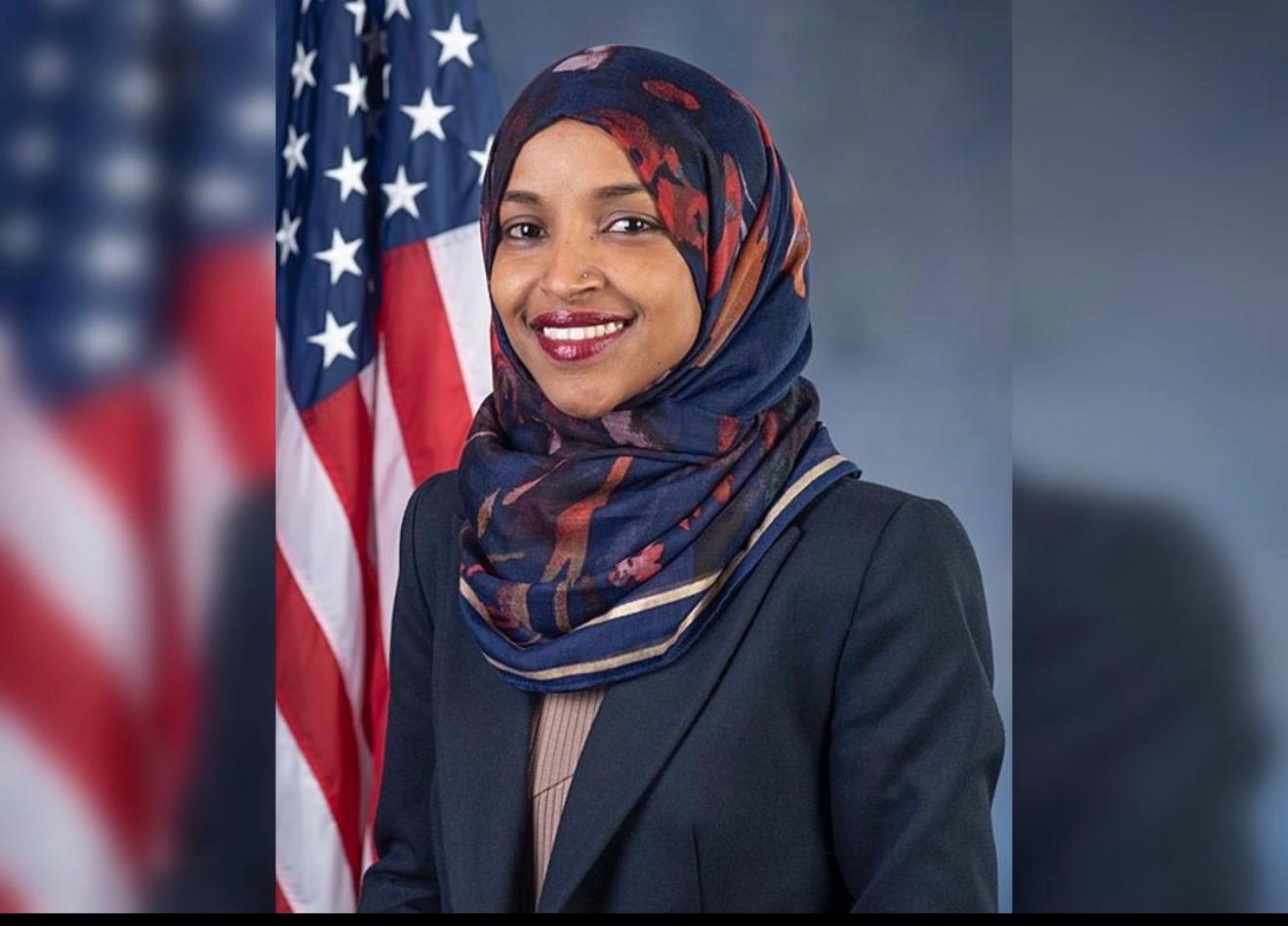
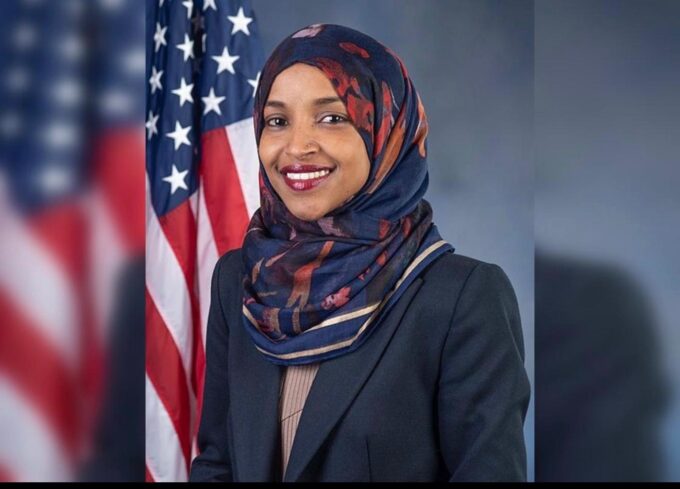
Ilhan Omar, who is seeking re-election in Minnesota’s 5th Congressional District.
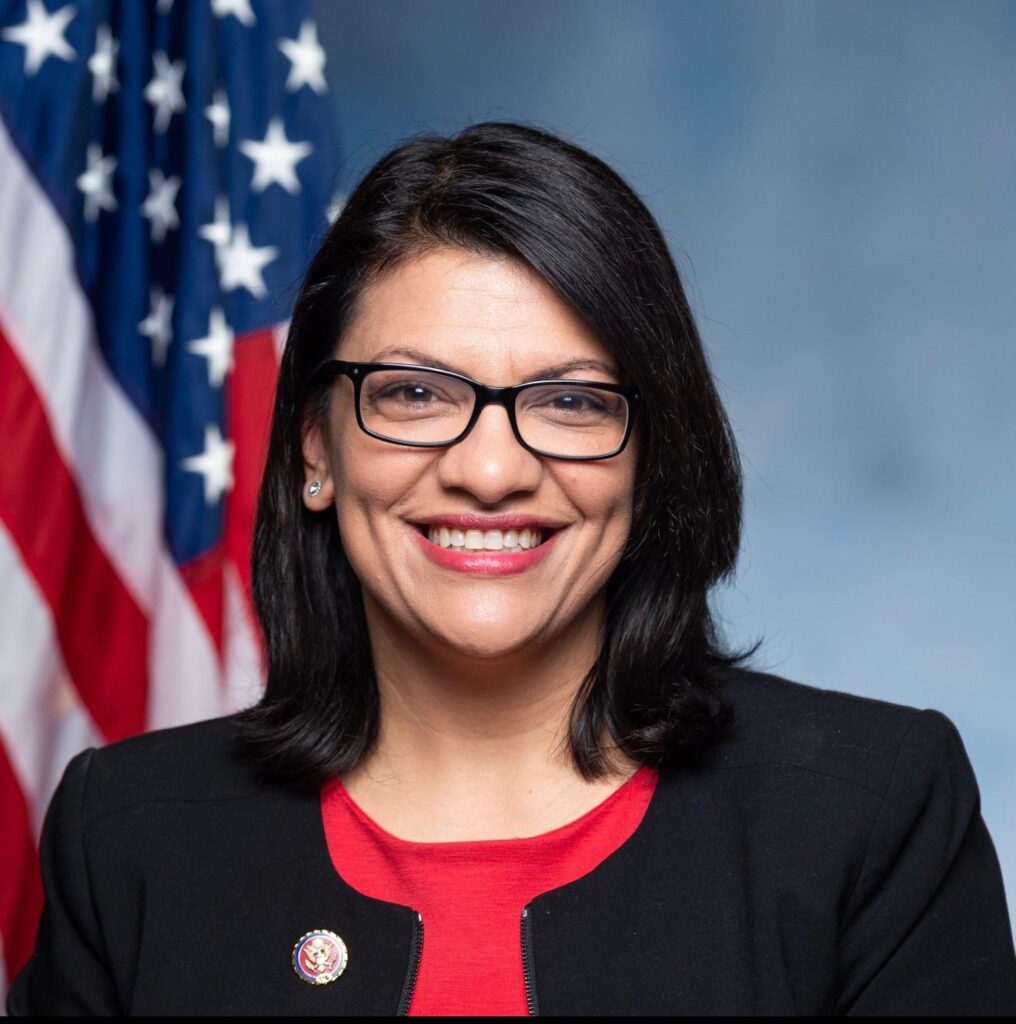
Rashida Tlaib, who is seeking another term representing Michigan’s 12th Congressional District.
André Carson, the incumbent Democratic congressman representing Indiana’s 7th District.
Lateefah Simon, running in California’s 12th Congressional District.
Aisha Wahab, contesting California’s 14th Congressional District.
Adam Hamawy, running in New Jersey’s 12th Congressional District.
Darializa Avila Chevalier, contesting New York’s 13th Congressional District.
Zuhdi Jasser, running as a Republican in Arizona’s 4th Congressional District.
Ahsen Mujeeb Malik and Alaha Ahrar are also among the independent candidates contesting congressional seats in Virginia.
Beyond Congress, 34 Muslim candidates are seeking positions in state legislatures, while others are running for county and local offices.
The growing participation reflects an increasing determination among Muslim Americans to influence public policy, civil rights, immigration, healthcare, education and America’s international relationships.
Muslim Voters Could Influence Competitive Elections
Muslim American political participation has become increasingly significant as candidates and advocacy organisations work to mobilise voters in closely contested states.
According to figures cited by the Council on American-Islamic Relations, more than 2.5 million registered Muslim voters are concentrated in 12 states considered important to congressional control.
Issues surrounding Gaza, the war with Iran, immigration enforcement, discrimination and civil liberties have become important subjects in political discussions within Muslim communities.
However, Muslim American voters do not represent a single political bloc. Their political affiliations and views vary according to their backgrounds, economic circumstances and individual policy priorities.
The Michigan Senate contest has attracted particular attention because of the political debate surrounding El-Sayed’s Muslim identity and progressive policy positions.
His campaign has focused on healthcare, economic affordability, workers’ rights and corporate influence in American politics.
The election will provide an important indication of whether Muslim American candidates can translate growing political participation into greater representation at the federal level.
Trump Warns Iran Over Remaining Nuclear Facilities
While Americans are focused on the congressional elections, the escalating confrontation between Washington and Tehran remains another major political issue.
President Trump has issued increasingly forceful warnings to Iran over its nuclear programme, raising concerns about the possibility of renewed American military action against Iranian facilities.
On November 1, Trump said the United States could strike Iran’s remaining suspected nuclear sites within approximately 10 minutes, claiming that American military operations had already severely weakened Iran’s military capabilities and nuclear infrastructure.
Speaking to reporters at his Mar-a-Lago estate in Florida, Trump said there were one or two remaining sites that Washington could target if necessary.
He also indicated that the confrontation could end through an agreement with Tehran or further military action.
The statements have increased international concerns about another escalation in the Middle East, particularly as diplomatic efforts continue.
However, Trump’s remarks concerned possible conventional military strikes against nuclear facilities, not a confirmed threat to use American nuclear weapons.
In August, Trump explicitly ruled out using nuclear weapons against Iran when questioned by reporters, saying there was no reason to employ such weapons.
The distinction is important because an attack on nuclear infrastructure using conventional weapons would represent a different military action from a nuclear strike.
Iran has also warned that any renewed American or Israeli military operation would receive a response, raising fears of a wider regional confrontation.
Iran War Becomes an Election Issue
The conflict with Iran is emerging as an important issue for American voters because of its potential economic and security consequences.
Rising fuel prices, concerns about military spending and the possibility of American casualties have created political difficulties for the Trump administration.
Democrats are questioning the administration’s foreign policy and the economic consequences of continued military confrontation.
Republicans argue that a strong position against Tehran is necessary to prevent Iran from developing nuclear weapons and threatening American interests and regional security.
The outcome of the midterm elections could influence congressional scrutiny of military operations, defence spending and the administration’s approach towards Iran.
If Democrats gain control of the House, they could launch investigations into the administration’s military decisions and demand greater transparency over government spending.
A Democratic-controlled Senate could also make confirmation of presidential nominees more difficult.
However, control of Congress would not automatically give Democrats the authority to reverse every presidential decision. The president retains significant constitutional powers over foreign policy and military operations.
What Happens If Democrats Win Congress?
A Democratic victory in the House would represent a significant political setback for Trump.
Democratic lawmakers could use their committee majorities to investigate administration policies, question senior officials and scrutinise federal spending.
They would also gain greater influence over the legislative agenda and could block or delay Republican proposals.
If Democrats capture both chambers, the political pressure on Trump’s administration would increase considerably.
Republicans, meanwhile, are hoping to retain control and continue implementing their domestic and economic agenda.
The election will also influence the political strategies of both parties as they begin preparing for the 2028 presidential contest.
A Defining Moment for American Politics
The November 3 midterm elections represent a major test of Trump’s leadership and the direction of American politics.
For Republicans, retaining control of Congress would demonstrate that the president continues to command significant political support despite growing controversies over the economy and foreign policy.
For Democrats, victory would provide an opportunity to challenge the administration, strengthen congressional oversight and rebuild their political position ahead of the next presidential election.
The growing presence of Muslim American candidates adds another important dimension to the elections. Their campaigns reflect changing political representation and the increasing involvement of communities seeking a greater voice in national decision-making.
At the same time, Trump’s warnings to Iran demonstrate how international conflicts can become central to domestic political debates, particularly when military operations affect fuel prices, government spending and national security.
As Americans cast their ballots, the central question is whether voters will give Trump and the Republicans another opportunity to govern with congressional support or deliver a political setback that could fundamentally change the balance of power in Washington.
The results will shape not only the future of Congress but also America’s economic priorities, immigration policies, foreign relations and approach to one of the world’s most dangerous geopolitical confrontations.
Post Disclaimer
The views and content presented in this article, news report, or video are solely those of the respective author or creator and do not necessarily reflect the official policy or position of BW Times Digital Online E-Paper.






Leave a comment