








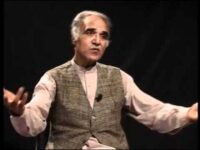




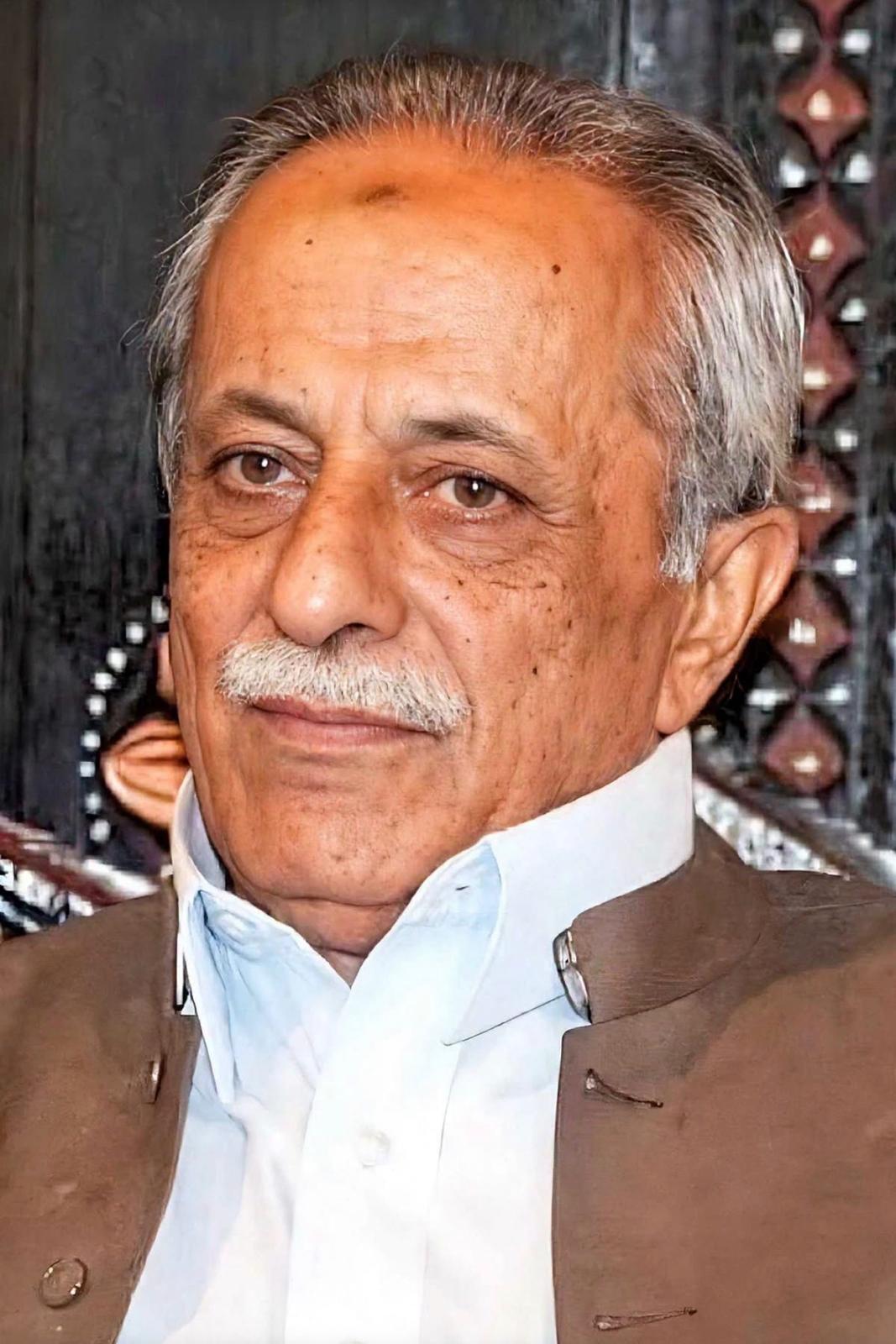
Younas Qiyasi’s creative achievements extended well beyond poetry and literature. He was also an influential contributor to Pashto cinema, particularly through his work as a screenwriter, dialogue writer and lyricist. His involvement in approximately 30 Pashto and Urdu films demonstrates the breadth of his artistic career. His contributions included film storylines, dialogue and songs, helping shape the storytelling and musical identity of regional cinema.

DAWN.COM
+1
During the development of Pashto cinema, film songs played a particularly important role in attracting audiences and connecting screen stories with the cultural life of the community. Memorable lyrics, folk melodies and emotionally engaging dialogue helped films become part of popular culture. Qiyasi understood the power of language in this environment and used his literary abilities to create material that could resonate with audiences beyond conventional literary circles.
His best-known contribution to film music was the patriotic song “Mong Yu Da Khyber Zalmay, Pashto Zmong Shaan Dai” — “We Are the Youth of Khyber; Pashto Is Our Pride.” The song was written for the classic Pashto film Darra Khyber and sung by renowned folk singer Khyal Muhammad. Its message of cultural identity, pride in the Pashto language and devotion to the homeland helped it achieve a life beyond the film for which it was written.
DAWN.COM
+1
The song became one of the most recognizable expressions of Pashtun cultural pride. Its continued popularity illustrates how a film lyric can develop into a shared cultural symbol, remembered and performed independently of its original cinematic setting.
Qiyasi’s film work also demonstrated his ability to adapt his writing to different artistic forms. Poetry requires rhythm, imagery and emotional depth, while film dialogue must communicate character, conflict and meaning within a dramatic situation. Writing for cinema requires an understanding of both language and performance. His work across these forms established him as a versatile creative figure in the regional entertainment industry.
A Pioneer of Peshawar Television and Radio Drama
Younas Qiyasi was also an important figure in the evolution of television drama at Pakistan Television’s Peshawar Centre. He worked in Pashto, Urdu and Hindko, contributing to the development of regional television storytelling during a period when television drama was establishing its place in Pakistan’s cultural life.
His dramatic writing addressed social problems, human relationships, traditional customs and the challenges confronting ordinary people. Rather than using drama solely for entertainment, he employed it as a medium for examining social behaviour and encouraging reflection. Accounts published after his death describe his plays as works that highlighted social shortcomings while pointing towards constructive responses.
DAWN.COM
+1
His contribution was extensive: he wrote hundreds of plays across Urdu, Pashto and Hindko for television, radio and stage productions. This multilingual work helped make regional stories accessible to different audiences while preserving the distinctive character of each language.
A scholarly study published in the journal DARYAFT in 2022 examined his role in the evolution of drama at Peshawar Television, recognizing his contribution to Urdu, Pashto and Hindko dramatic traditions. The study provides an academic dimension to the appreciation of his work, demonstrating that his legacy is relevant not only to audiences and fellow artists but also to the study of regional television history.
DARYAFT
Qiyasi’s writing was rooted in the social and cultural realities of Khyber Pakhtunkhwa. The language of his characters, their relationships and their concerns reflected a society negotiating the relationship between inherited traditions and changing circumstances. His scripts helped bring local experiences to the television screen and contributed to the development of a recognizable regional dramatic voice.
His career illustrates the important role writers played in establishing Peshawar as a significant centre of Pashto-language broadcasting and entertainment.
Journalism: A Pen Dedicated to Society
Alongside his achievements in poetry, film and drama, Qiyasi maintained a long career in journalism. He began his professional journalistic journey in the early 1960s with the Urdu newspaper Anjaam. He subsequently contributed to Urdu and Pashto newspapers, earning recognition for his writing, analysis and engagement with public affairs.
DAWN.COM
+1
His columns reflected his concern for society and the problems faced by ordinary citizens. He was known for examining public policies, identifying shortcomings in governance and raising questions about the future of Peshawar, a city whose historical character and cultural identity remained close to his heart.
Qiyasi was an active member of the Khyber Union of Journalists and maintained close connections with the Peshawar Press Club and the wider literary community. His work demonstrated that journalism could be more than the reporting of daily events: it could also serve as a platform for social criticism, cultural preservation and public awareness.
His Urdu column collection, Qiyas Araiyan (also transliterated as Qiyas Ariyia), was published as a book. A collection of his Pashto poetry, titled Juand Pa Megatoon, was reported to have remained unpublished at the time of his death. The absence of that collection from publication represents a potentially significant loss for readers and researchers interested in his poetic legacy.
DAWN.COM
+1
National Recognition and Lasting Legacy
In recognition of his contributions to literature and the arts, Younas Qiyasi received the Government of Pakistan’s Pride of Performance award. This national honour acknowledged his distinguished creative work and his contribution to the country’s cultural heritage.
DAWN.COM
+1
Yet his legacy cannot be measured by awards alone. His poetry became part of popular music, his songs travelled through generations, his scripts reached audiences through television and cinema, and his columns engaged readers with the concerns of their time.
His passing on December 28, 2018, marked the end of a remarkable creative journey. He was 76 years old. He was laid to rest in Peshawar’s Rahman Baba graveyard, named after the celebrated Pashtun Sufi poet. His death prompted tributes from writers, journalists, artists and members of the literary community, who remembered him as a versatile contributor to the region’s intellectual and cultural life.
DAWN.COM
+1
A commemorative gathering at the Peshawar Press Club in April 2019 further highlighted the breadth of his contribution. Participants called attention to his achievements in poetry, journalism, playwriting and cultural promotion, while speakers emphasized his commitment to portraying the aspirations of ordinary people.
DAWN.COM
+1
An Enduring Cultural Treasure of Peshawar
Younas Qiyasi belonged to a generation of writers who helped carry regional languages into modern mass communication without abandoning their cultural roots. He understood that poetry could inspire pride, songs could preserve collective memory, drama could expose social problems, films could bring stories to a wider audience, and journalism could hold a mirror to society.
His work across Pashto, Urdu and Hindko reflected the linguistic richness of Peshawar and the wider region. By moving between literary writing, broadcasting, cinema and journalism, he created a body of work that reached people in many different ways.
For younger poets, screenwriters, journalists and performers, his career offers an example of how creative talent can serve both art and society. His story also reminds us of the importance of preserving the work of regional artists, publishing their manuscripts, documenting their film contributions and making their literary archives accessible to future generations.
Younas Qiyasi was not simply a poet who wrote memorable verses or a journalist who published thoughtful columns. He was a cultural storyteller whose words travelled from newspapers to television screens, from cinema halls to musical gatherings, and from the written page into the shared memories of a community.
Post Disclaimer
The views and content presented in this article, news report, or video are solely those of the respective author or creator and do not necessarily reflect the official policy or position of BW Times Digital Online E-Paper.









Leave a comment