






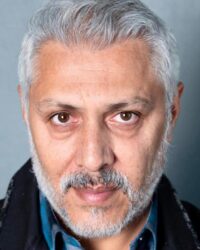
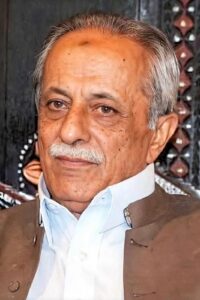

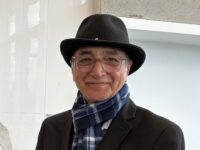
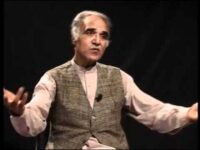


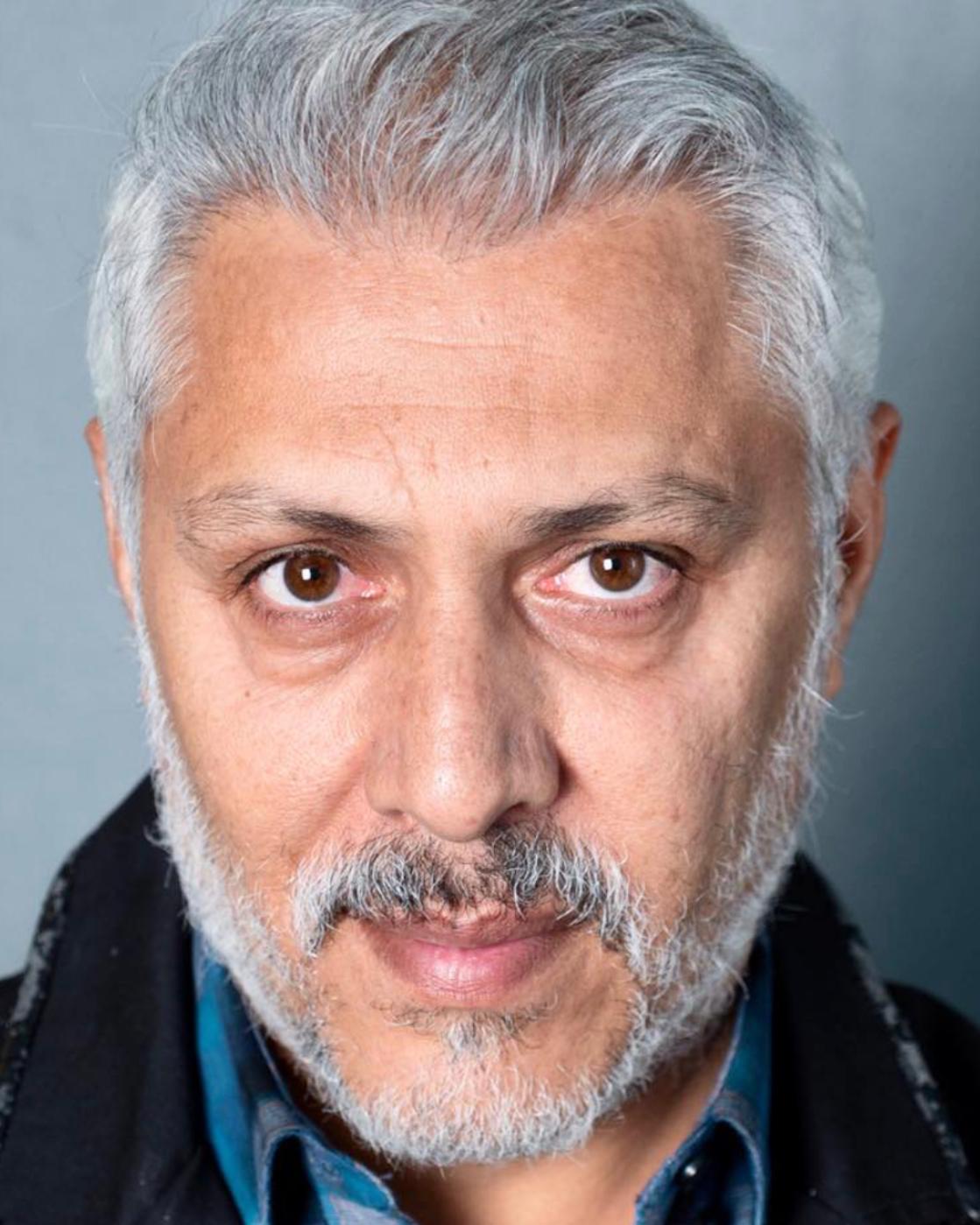
Hameed Sheikh’s journey from the culturally diverse city of Quetta to the international film industry represents a remarkable chapter in Pakistan’s cinematic history. An actor, filmmaker, producer and language and cultural consultant, Sheikh has spent decades building a career that extends beyond conventional acting. His work has taken him from Pakistani television and cinema to international productions, including the American television series The Old Man, featuring Hollywood star Jeff Bridges.
What makes Sheikh’s professional journey particularly distinctive is not simply his appearance in international productions, but his ability to bring linguistic knowledge, regional history and cultural understanding into filmmaking. At a time when international entertainment frequently portrays South Asian, Afghan and Middle Eastern communities through limited perspectives, his contribution as a cultural consultant has become increasingly significant.
Born and raised in Quetta, the capital of Balochistan, Sheikh grew up in an environment where different languages, traditions, religions and communities existed alongside one another. This multicultural background helped shape his understanding of human behaviour and cultural identity, qualities that would later become important assets in his acting and international consultancy work.
Sheikh is proficient in several regional and international languages, including Urdu, Balochi, Brahui, Pashto, Sindhi, Punjabi, Hindko, Seraiki, Dari and Persian, as well as Hindi. His ability to understand the linguistic and cultural differences between communities has allowed him to work in productions requiring more than ordinary acting skills.
His professional career began in 1984 through Pakistan Television’s Quetta Centre. Over the years, he developed his artistic abilities through television dramas, theatre and independent film projects. Rather than limiting himself to one medium, he explored different aspects of production, including acting, filmmaking, translation and cultural research.
His early professional experiences also included working as a freelance producer, cameraman and translator for CNN in 2001. This exposure to international media production provided him with valuable experience in working with foreign crews and understanding the demands of international storytelling.
One of the major turning points in his cinematic career came in 2007 with Shoaib Mansoor’s acclaimed Pakistani film Khuda Kay Liye (In the Name of God). Sheikh portrayed Sher Shah, a role that brought him considerable recognition among Pakistani cinema audiences. The film addressed sensitive questions surrounding religious identity, extremism, social attitudes and the challenges faced by Muslims in a changing world. Its international attention also helped introduce Pakistani cinema to audiences beyond the country’s borders.
His next major international experience came through the British action thriller Kandahar Break (2009), in which he played Omar Baloch and also served as a producer. The production was particularly challenging because of the difficult filming conditions and security concerns associated with its subject and locations.
During the production, the crew reportedly faced a dangerous security incident involving an attack on members of the team. Despite the difficulties, Sheikh remained committed to completing the project and helped arrange resources to continue the remaining production work in Tunisia. His involvement extended beyond performing before the camera; he also contributed to the screenplay and production arrangements. The experience demonstrated his determination to make international filmmaking possible even under difficult circumstances.
In 2014, Sheikh appeared in the Pakistani action and espionage film O21, directed by Jami. He portrayed Dost Muhammad, an Afghan intelligence officer, sharing the screen with established Pakistani actors, including Ayub Khoso. The film explored regional political tensions, intelligence operations and the complicated realities of Afghanistan and Pakistan. His understanding of the region’s languages and social environment added credibility to his performance.
However, it was his performance in Moor (2015) that demonstrated the depth of his commitment to character development. In this film, he portrayed Wahidullah Khan, a railway stationmaster whose life and family are affected by the decline of the railway system in Balochistan.
Preparing for the role required considerable physical and emotional transformation. Sheikh gained weight, changed his posture and developed a different walking style to convincingly portray an ageing man. The character was far removed from his own personality and physical appearance.
What made his contribution even more meaningful was his decision not to charge an acting fee for the project. His motivation was to support a film that could create opportunities for young actors from Balochistan and demonstrate the province’s potential as a location for serious filmmaking.
Moor became one of the most important Pakistani films of its period and was selected as Pakistan’s official submission for the Best Foreign Language Film category at the 88th Academy Awards. Although it did not receive an Oscar nomination, its international recognition helped bring attention to the stories, landscapes and social realities of Balochistan. Sheikh’s performance as Wahidullah Khan received critical appreciation, and the film remains an important part of his artistic legacy.
Another significant production in his career was Abdullah: The Final Witness (2015), in which he played the central character. The film explored the human consequences of conflict and violence through a deeply personal story. Its international festival exposure, including its association with the Cannes film circuit, further strengthened Sheikh’s international profile.
His international work continued with the Nepali film The Man from Kathmandu (2019), in which he portrayed a Hindu religious figure, Pundit Harvashdam. The role required him to understand and represent a religious identity different from his own background. His upbringing in Quetta, where different religious and cultural communities have historically shared social spaces, helped him approach the character with familiarity and sensitivity.
The film also demonstrated his willingness to accept roles across cultural boundaries rather than confining himself to characters associated with a single nationality, language or community.
A significant breakthrough in Hollywood
One of the most important developments in Sheikh’s career came when he began working in the United States and became involved in Hollywood productions as a language and cultural consultant.
His association with the American television drama series The Old Man brought him into a different dimension of international filmmaking. The series stars Jeff Bridges and John Lithgow and tells the story of a former CIA operative whose past returns to challenge his present life.
Sheikh worked on the production between 2022 and 2024, serving as a consultant and language coach across 13 episodes. His responsibilities included helping the production team understand the languages, cultural traditions, historical references and social details associated with the region represented in the story.
This was not simply a matter of teaching actors how to pronounce unfamiliar words. Authentic representation requires an understanding of the relationship between language, identity, behaviour, clothing, customs and social circumstances.
An actor speaking Dari or Pashto, for example, must sound natural in the context of the character’s background. Even small differences in pronunciation, expressions or cultural behaviour can make a scene appear unrealistic to audiences familiar with those communities.
Sheikh has consistently argued that filmmakers should not use creative freedom as an excuse to misrepresent the cultures they portray. In an interview published by The Express Tribune on December 6, 2021, he expressed concern about inaccurate portrayals of Pashtun culture in international entertainment. His position is that creative storytelling and cultural authenticity should work together rather than against each other.
His Hollywood experience therefore represents an important professional achievement not only for himself but also for Pakistani artists who possess specialist knowledge that international productions need.The Express Tribune+2
Beyond acting: A voice for Balochistan’s film industry
While Sheikh’s acting career has taken him internationally, one of his most important ambitions has remained connected to his hometown. He has repeatedly spoken about the need to develop Balochistan as a centre for filmmaking and provide opportunities to emerging actors, directors, writers and technicians.
In a 2019 interview with Dawn, he highlighted the lack of proper film infrastructure and arts facilities in Quetta. He argued that Balochistan possesses extraordinary natural landscapes, cultural diversity and human resources that could attract international film productions if adequate institutional and government support were available.
Quetta and the surrounding areas offer a remarkable variety of filming locations, from mountains and deserts to historic settlements and culturally diverse communities. These locations could provide filmmakers with opportunities to produce historical dramas, documentaries, independent films and international co-productions.
Sheikh has also been associated with professional initiatives supporting the film industry, including the Actor’s Collective Trust, Focus PK and the Federation of Motion Picture Producers in Asia. His involvement reflects his interest in strengthening the professional environment for filmmakers and protecting the interests of creative professionals.
Another important chapter of his professional life concerns the rights of actors. In 2016, he challenged the unauthorised use of his photographs in a government advertisement connected with terrorism. The incident raised broader questions about the ownership, consent and professional rights of artists whose images and identities are used in public campaigns.
He subsequently advocated for a stronger professional guild or association to protect Pakistani actors, establish clearer industry standards and provide artists with a collective platform to address their concerns. His position reflects a wider problem in Pakistan’s entertainment industry, where performers often lack adequate contractual protection and professional representation.Dawn+2
A diverse artistic identity and international recognition
Sheikh’s professional identity extends beyond acting. He has worked in production, translation, cinematography and cultural consultancy. His understanding of different languages and societies has made him particularly valuable in productions dealing with Afghanistan, Pakistan and neighbouring regions.
His experience also includes working with international film professionals and developing an understanding of the different production systems operating in Pakistan, Europe and North America. He has received professional acting training under Margie Haber, the well-known American acting coach whose students have included several major Hollywood performers.
His filmography includes productions with different themes and artistic approaches. From the religious and social questions raised in Khuda Kay Liye to the political tensions of Kandahar Break, the intelligence narrative of O21, the social tragedy of Moor and the cultural diversity explored in The Man from Kathmandu, his career reflects a willingness to explore challenging characters and stories.
Among his other screen credits is The Window (2024), further demonstrating his continued involvement in film productions.IMDb+1
The importance of his journey for Pakistan and Balochistan
The story of Hameed Sheikh carries significance beyond individual success. Pakistan has a wealth of artistic talent, but many actors and filmmakers from smaller cities and less-developed film centres struggle to access professional opportunities.
For decades, the country’s mainstream entertainment industry has remained concentrated in a few major urban centres. As a result, stories from Balochistan, interior Sindh, Khyber Pakhtunkhwa and other culturally rich regions have often received less attention than they deserve.
Sheikh’s professional journey demonstrates that international cinema can benefit from artists who understand local languages, histories and traditions. It also highlights the importance of involving regional experts in international productions to ensure that communities are represented with accuracy and dignity.
His work as a cultural consultant is particularly relevant at a time when international audiences increasingly consume stories about Afghanistan, Pakistan and the wider region. Accurate representation matters because films and television series can influence how millions of viewers understand societies they may never have visited.
For young artists in Balochistan, his achievements offer an example of how regional identity can become a professional strength rather than a limitation. Knowledge of local languages, traditions and history can create opportunities in international filmmaking, particularly in acting, translation, production and cultural research.
Hameed Sheikh’s journey from Quetta’s television and theatre environment to an internationally recognised screen career is a story of persistence, professional versatility and commitment to cultural authenticity. His contribution to The Old Man represents an important milestone, but his wider ambition to strengthen Pakistan’s film industry and create opportunities for Balochistan’s emerging artists may prove equally significant.
The journey from Quetta to Hollywood is therefore not simply the story of an actor reaching an international platform. It is also the story of a Pakistani artist carrying the languages, cultural heritage and identity of his homeland into the world of international cinema.
For Balochistan, Hameed Sheikh is an example of the creative potential that exists within the province. For Pakistan’s film industry, he represents the importance of professional development, international collaboration and authentic storytelling. His career sends a powerful message to the next generation: international recognition does not require abandoning one’s roots; sometimes, the strongest path to the world begins by understanding where one comes from.
Post Disclaimer
The views and content presented in this article, news report, or video are solely those of the respective author or creator and do not necessarily reflect the official policy or position of BW Times Digital Online E-Paper.






Leave a comment