















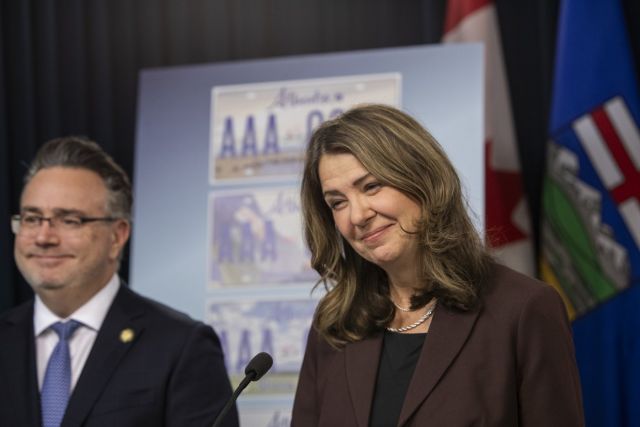
Alberta is preparing to end the long-standing practice of changing clocks twice a year, with Premier Danielle Smith confirming plans to adopt permanent daylight saving time.
The announcement was reinforced by Service Alberta Minister Dale Nally, who said the province intends to maintain the current time year-round, eliminating both the fall and spring clock adjustments.
What the Change Means
If the legislation passes, Albertans will no longer set clocks back in the fall or forward in the spring. Instead, the province will remain on daylight time throughout the year.
This shift would result in:
- More daylight in the evenings
- Darker mornings during winter months
Legislation Expected Soon
The government plans to introduce the change through upcoming legislation later this week. The move follows similar decisions by British Columbia and growing momentum across western Canada.
Officials say regional alignment played a key role in the decision, as neighbouring jurisdictions move away from seasonal time changes.
Health Experts Raise Concerns
Despite public support for longer daylight hours in the evening, some health experts have raised concerns.
Organizations such as the Canadian Sleep Society and the Canadian Sleep Research Consortium warn that permanent daylight time could negatively impact sleep cycles, increase stress on the body, and affect overall health.
Many experts instead advocate for permanent standard time to better align with natural circadian rhythms.
Political Debate Continues
The issue remains politically contentious. Opposition NDP Leader Naheed Nenshi criticized the move, arguing it ignores the results of a previous referendum in which Albertans narrowly rejected permanent daylight saving time.
He also suggested the decision diverts attention from more pressing issues such as healthcare and cost of living concerns.
Impact on Time Zones and Daily Life
If implemented, the change will alter Alberta’s time relationship with other regions:
- Alberta and Saskatchewan will remain aligned year-round
- British Columbia will be one hour behind Alberta at all times
- Ontario and Quebec will be one hour ahead in winter and two hours ahead in summer
The shift could also impact business operations, transportation schedules, and daily routines across the province.
Long-Running Debate
The question of whether to eliminate seasonal time changes has been debated in Alberta for decades. A 2021 referendum narrowly rejected permanent daylight saving time, but officials say changing regional dynamics have prompted renewed action.
With legislation imminent, Alberta appears set to join a growing number of regions moving toward a single, year-round time system.
Courtesy: castanet
Post Disclaimer
The views and content presented in this article, news report, or video are solely those of the respective author or creator and do not necessarily reflect the official policy or position of BW Times Digital Online E-Paper.











Leave a comment