














Victoria Day is one of the oldest public holidays in Canada and carries deep historical, political, and cultural significance. Celebrated every year on the Monday before May 25, the holiday honors Queen Victoria, whose reign from 1837 to 1901 shaped the political development of Canada and much of the former British Empire. In 2026, Victoria Day falls on May 18 and is observed nationwide as a federal statutory holiday.
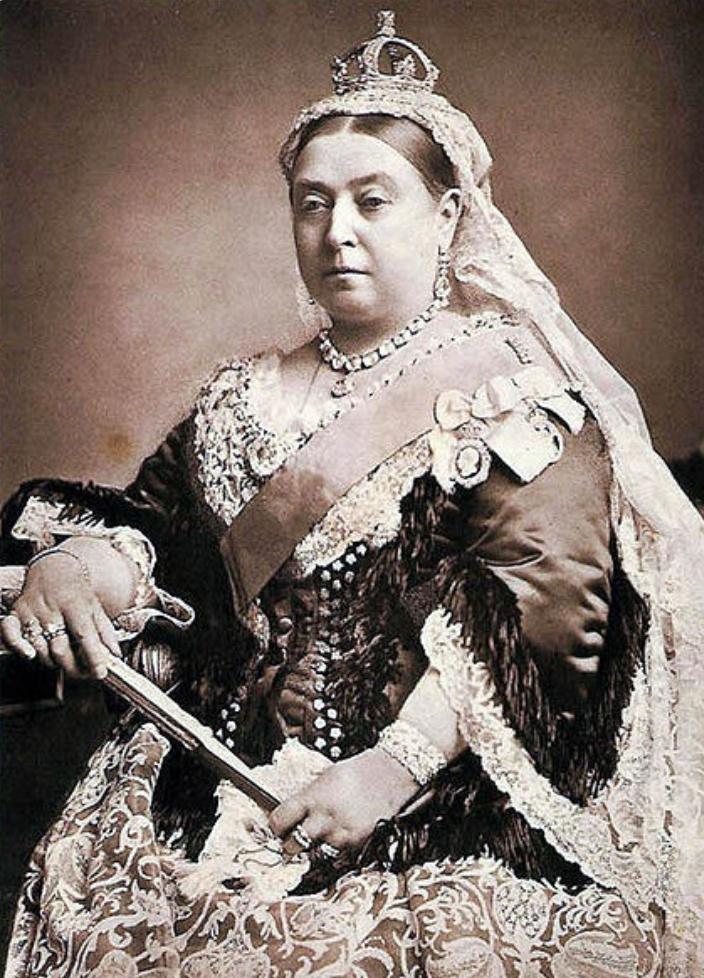
The history of Victoria Day begins with the birth of Queen Victoria on May 24, 1819, at Kensington Palace in London. Victoria became queen at the age of 18 in 1837 and ruled for more than 63 years, making her one of the most influential monarchs in British history. Her reign became known as the Victorian Era, a period associated with industrial growth, imperial expansion, technological innovation, and major political change across the British Empire.
Long before Canada became an independent country, British colonies in North America celebrated Queen Victoria’s birthday with military parades, public gatherings, music, and fireworks. In 1845, the Province of Canada officially declared May 24 a public holiday. At that time, Canada was still a British colony, and loyalty to the Crown formed an important part of public life. The celebrations often included gun salutes, speeches, bonfires, and community feasts.
The importance of Queen Victoria to Canada increased dramatically in 1867, when the Dominion of Canada was created through Confederation. During her reign, the colonies of Ontario, Quebec, Nova Scotia, and New Brunswick united to form the new country. Queen Victoria became Canada’s monarch, and many Canadians began referring to her as the “Mother of Confederation.” Her support for Canadian nationhood and constitutional government strengthened public attachment to the monarchy.
One of Queen Victoria’s most important decisions affecting Canada came in 1857, when she selected Ottawa as the capital of the Province of Canada. At the time, political rivalry existed between Toronto, Montreal, Quebec City, and Kingston over which city should become the permanent capital. Ottawa was considered a compromise location because it was positioned between English- and French-speaking regions and was farther from the American border, making it strategically safer.
After Queen Victoria died in 1901, the Canadian Parliament passed legislation making Victoria Day an official annual holiday in her memory. The holiday was observed on May 24 each year regardless of the weekday until 1952, when the Canadian government changed the observance to the Monday before May 25 to create a long weekend for workers and families. Since then, Victoria Day has become one of Canada’s most anticipated spring holidays.
Throughout the twentieth century, Victoria Day celebrations evolved from formal royal ceremonies into broader community festivals. Early celebrations often focused heavily on the British monarchy and imperial pride, including military marches and patriotic speeches. Over time, the holiday became more relaxed and community-oriented. Fireworks displays, outdoor concerts, fairs, sports events, and family gatherings replaced many older imperial traditions.
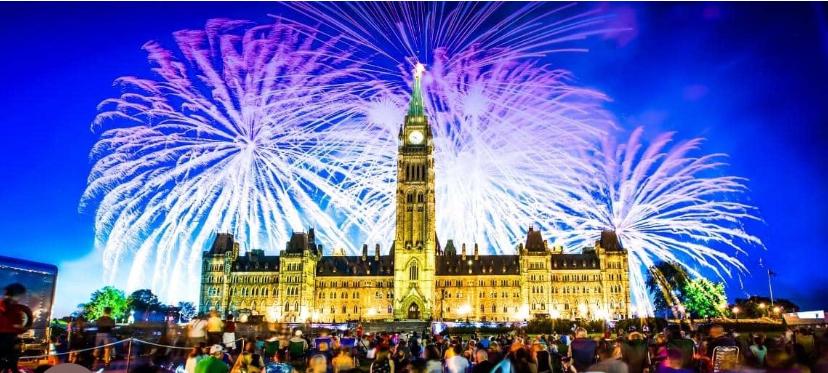
Today, Victoria Day is widely considered the unofficial beginning of summer in Canada. Campgrounds open, cottage owners travel to lakes and forests, gardens are planted, and parks become busy with visitors. Fireworks remain one of the most recognizable traditions associated with the holiday. Cities including Calgary, Edmonton, Toronto, and Victoria organize major public celebrations.
The city of Victoria in British Columbia holds special importance because it was named after Queen Victoria herself. The city often hosts one of the country’s most elaborate Victoria Day celebrations, featuring parades, cultural performances, naval ceremonies, and tourism events. Thousands of people gather along the harbor and downtown streets during the long weekend festivities.
Although Canada is the country most closely associated with Victoria Day today, other parts of the former British Empire historically celebrated Queen Victoria’s birthday as well. During the nineteenth and early twentieth centuries, “Empire Day” and Victoria Day observances were common in several British territories. However, most countries gradually replaced the holiday with national independence celebrations or other public holidays after gaining independence from Britain.
In United Kingdom, Queen Victoria’s birthday was celebrated during her lifetime, but it is no longer an official public holiday there. Instead, Britain now celebrates royal birthdays differently, including the monarch’s official birthday parade known as Trooping the Colour.
Some Caribbean countries with historical ties to Britain still observe related holidays or traditions. Bermuda continues to recognize Bermuda Day around the same period, reflecting historical connections to Victoria Day traditions. In some Commonwealth nations, remnants of Empire Day celebrations survived for decades through school ceremonies and patriotic observances.
In places such as Australia and New Zealand, Queen Victoria’s birthday was once celebrated widely during the colonial era, but modern national calendars no longer emphasize the holiday in the same way Canada does. Some Australian states continue to observe the current monarch’s birthday as a public holiday, though not specifically Victoria Day.
Victoria Day also reflects Canada’s ongoing constitutional monarchy system. Even though Canada is fully independent, the monarch remains the country’s official head of state. Today that role belongs to King Charles III. The King’s representatives in Canada, including the Governor General and provincial lieutenant governors, participate in some official ceremonies connected to Victoria Day.
For many Canadians today, the holiday combines history, patriotism, recreation, and community spirit. Some view it mainly as a long weekend and the start of summer, while others see it as a reminder of Canada’s historical development and constitutional traditions. Regardless of perspective, Victoria Day remains deeply woven into Canadian culture and continues to distinguish Canada from many other countries around the world.
Post Disclaimer
The views and content presented in this article, news report, or video are solely those of the respective author or creator and do not necessarily reflect the official policy or position of BW Times Digital Online E-Paper.











Leave a comment