













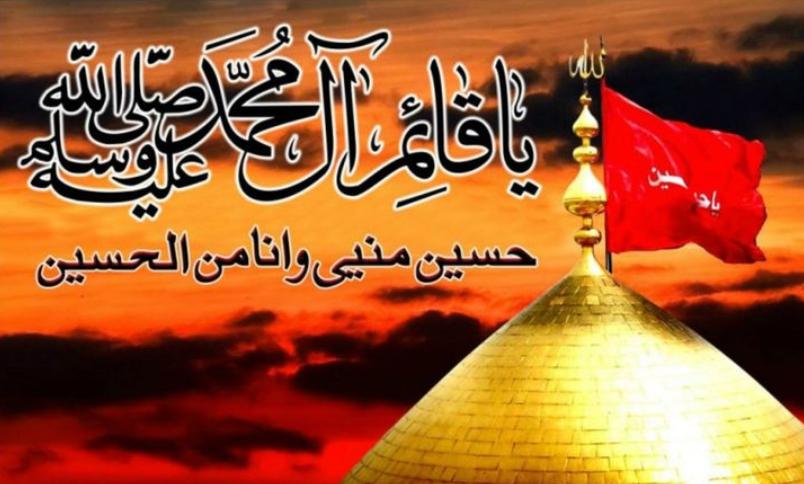
Muharram-ul-Haram marks the beginning of the Islamic lunar calendar and is regarded as one of the four sacred months in Islam. It is a month of profound spiritual significance, reflection, sacrifice, and remembrance for Muslims around the world. While the arrival of a new year is often associated with celebration in many cultures, the Islamic New Year begins with solemn remembrance, particularly of the unparalleled sacrifice made by Imam Hussain ibn Ali (AS), the beloved grandson of the Holy Prophet Muhammad (PBUH), in the plains of Karbala.
The first day of Muharram signifies the start of a new Islamic year and provides Muslims with an opportunity to reflect upon their faith, renew their commitment to righteousness, and remember the lessons of patience, justice, and devotion to Allah. The month occupies a special place in Islamic history due to the events that culminated on the 10th day of Muharram, known as Ashura, in the year 61 AH (680 CE).
Imam Hussain (AS), the son of Imam Ali ibn Abi Talib (AS) and Sayyida Fatimah al-Zahra (AS), was the grandson of the Holy Prophet Muhammad (PBUH). He was known for his piety, courage, wisdom, and unwavering commitment to the principles of Islam. Following the death of Muawiyah ibn Abi Sufyan, his son Yazid assumed political authority and sought allegiance from prominent Muslim leaders, including Imam Hussain (AS).
Imam Hussain (AS) refused to pledge allegiance to Yazid because he believed that Yazid’s rule represented a departure from the teachings and values established by the Holy Prophet Muhammad (PBUH). Imam Hussain (AS) stood firmly against injustice, corruption, oppression, and tyranny. He believed that remaining silent in the face of wrongdoing would compromise the moral foundations of Islam.
As pressure intensified, Imam Hussain (AS) left Madinah and traveled towards Makkah. During this period, thousands of letters arrived from the people of Kufa, urging him to come and guide them. Trusting their promises of support, Imam Hussain (AS) began his journey toward Iraq accompanied by his family members, relatives, children, and loyal companions.
However, the political situation changed dramatically. Yazid’s governor in Iraq suppressed support for Imam Hussain (AS), and many who had pledged loyalty abandoned him. On reaching the desert of Karbala, Imam Hussain (AS) and his small caravan were intercepted by a large army loyal to Yazid. They were surrounded and prevented from continuing their journey.
One of the most painful aspects of the tragedy of Karbala was the blockade imposed on Imam Hussain’s camp. Historical accounts state that access to the Euphrates River was restricted, depriving Imam Hussain (AS), his family, and his companions of water for several days. Among those suffering from thirst were women, elderly individuals, and innocent children, including the six-month-old infant Hazrat Ali Asghar (AS).
Despite the severe hardship, Imam Hussain (AS) refused to surrender his principles. He repeatedly attempted to avoid bloodshed through dialogue and reason, reminding the opposing forces of his relationship to the Prophet Muhammad (PBUH) and calling upon them to uphold justice and righteousness. However, his appeals were ignored.
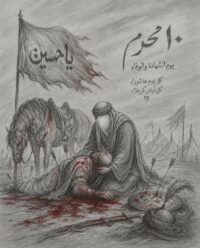
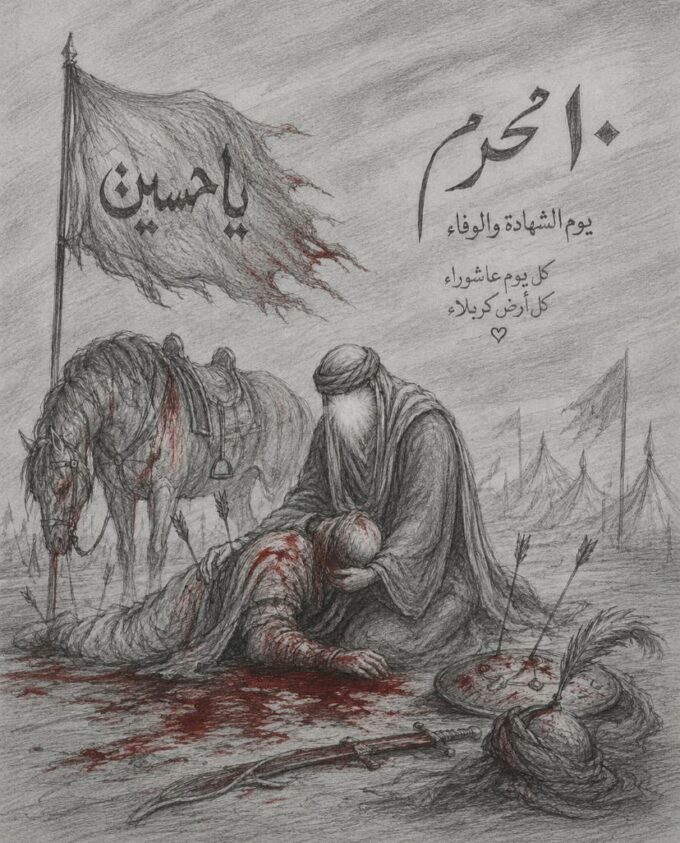
On the 10th of Muharram, Ashura, the forces of Yazid launched an attack against Imam Hussain’s small group. The battle that followed became one of the most significant and heartbreaking events in Islamic history. Imam Hussain’s companions, numbering only a few dozen, displayed extraordinary bravery and loyalty. One by one they entered the battlefield, sacrificing their lives while defending truth and justice.
Among the martyrs were members of the Prophet’s household, including Hazrat Abbas ibn Ali (AS), renowned for his courage and loyalty. Hazrat Abbas (AS) attempted to bring water to the thirsty children in the camp but was martyred before he could return. The loss of Abbas deeply affected Imam Hussain (AS) and the members of the family.
The tragedy continued as young members of the Prophet’s family were martyred. Hazrat Ali Akbar (AS), the son of Imam Hussain (AS), was among those who sacrificed their lives. Historical narratives describe his striking resemblance to the Holy Prophet Muhammad (PBUH), making his martyrdom especially painful for the family.
Perhaps one of the most heartbreaking moments of Karbala was the martyrdom of the infant Ali Asghar (AS). According to traditional accounts, Imam Hussain (AS) carried the six-month-old child before the opposing army and requested water for him. Instead, the infant was fatally struck, a moment that remains a powerful symbol of innocence suffering amid conflict.
Eventually, Imam Hussain (AS) himself entered the battlefield. Exhausted from days of thirst, grief, and loss, he stood firm in defense of justice and faith. He was ultimately martyred, but his sacrifice transformed the course of Islamic history. His stand against oppression became a timeless symbol of resistance against tyranny and injustice.
Following the martyrdom of Imam Hussain (AS), the suffering of his family continued. The surviving women and children, including Sayyida Zainab (AS), were taken captive and faced immense hardship. Through remarkable courage and eloquent speeches, Sayyida Zainab (AS) ensured that the message of Karbala reached future generations. Her efforts played a crucial role in preserving the legacy of Imam Hussain (AS).
For Muslims around the world, Muharram is not merely a remembrance of a historical event. It is a reaffirmation of universal values such as truth, justice, sacrifice, patience, dignity, and resistance to oppression. The message of Karbala transcends time, geography, and sectarian boundaries. People of various faiths and backgrounds have drawn inspiration from Imam Hussain’s unwavering commitment to principles and moral integrity.
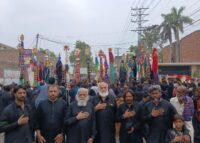
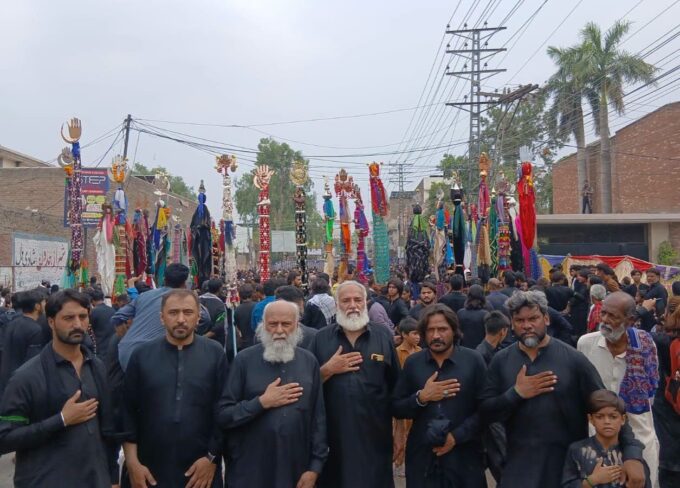
The first ten days of Muharram are particularly significant. During this period, gatherings, lectures, prayers, and commemorative events are held in many countries to remember the sacrifices made at Karbala. Scholars recount the events of Muharram and Ashura, emphasizing the ethical and spiritual lessons that can be applied to contemporary challenges.
The sacrifice of Imam Hussain (AS) demonstrated that truth does not depend on numbers or worldly power. Although vastly outnumbered, he refused to compromise his beliefs. His courage showed that standing for justice may require immense sacrifice, but such sacrifices can inspire generations and preserve moral values for centuries.
Today, more than thirteen centuries after the tragedy of Karbala, millions continue to honor Imam Hussain (AS) and the martyrs of Karbala. Their memory serves as a reminder that oppression and injustice must never be accepted and that faith requires courage, conviction, and perseverance.
As the Islamic New Year begins with the arrival of Muharram-ul-Haram, Muslims reflect upon the profound lessons of Karbala and renew their commitment to compassion, integrity, justice, and devotion to Allah. The message of Imam Hussain (AS) remains as relevant today as it was in 680 CE: to stand for truth, defend human dignity, and uphold justice regardless of the cost. His sacrifice continues to illuminate hearts across the world, making Muharram not only the beginning of a new year but also a powerful reminder of faith, sacrifice, and the enduring triumph of moral courage over tyranny.
Post Disclaimer
The views and content presented in this article, news report, or video are solely those of the respective author or creator and do not necessarily reflect the official policy or position of BW Times Digital Online E-Paper.











Leave a comment