















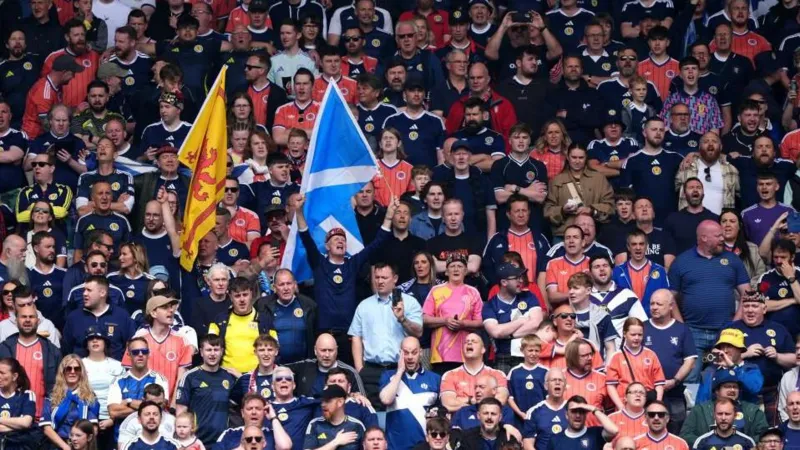
Glasgow: With Scotland’s 2026 FIFA World Cup campaign set to begin in just over a week, concerns are growing over ticket sales after dozens of seats for Scotland’s opening match against Haiti appeared on third-party resale websites, raising fresh questions about FIFA’s ticketing strategy and pricing policies.
The match, scheduled for June 12 in Boston, was initially marketed as a high-demand fixture, with ticket prices ranging from approximately £53 to £380. However, many tickets remain unsold, and some are now being offered on secondary resale platforms at prices significantly lower than their original face value.
The development comes despite repeated warnings from FIFA advising supporters against purchasing tickets through unofficial resale channels. Reports suggest the governing body has been working with some resale platforms in an effort to move unsold inventory as the tournament approaches.
Football commentator and founder of the Scotland Co-efficient fan platform, Gavin Noon, criticized FIFA’s handling of ticket sales, describing the process as “absolutely shambolic.”
According to Noon, supporters were repeatedly told that tickets would be scarce and demand would far exceed supply, encouraging many fans to purchase early at premium prices. However, he said entire sections of stadium seating are now appearing on secondary markets at a fraction of the original cost.
The controversy has also been linked to travel restrictions affecting supporters from several participating nations. Fans from Haiti, Scotland’s first-round opponent, face significant difficulties attending matches due to current U.S. entry restrictions, reducing expected international attendance.
Critics argue that FIFA’s pricing structure has limited access for ordinary football supporters. While the governing body operates its own resale platform and reportedly collects commissions on transactions, many fans have complained that original ticket prices were set too high, particularly for group-stage matches.
The issue has attracted political attention in the United States. Last week, the attorneys general of New York and New Jersey launched an investigation into World Cup ticketing practices. New Jersey Attorney General Jennifer Davenport described the purchasing process as a “gauntlet of confusion, fake scarcity and impossibly high prices.”
Despite the ticketing controversy, thousands of Scottish supporters are still expected to travel to the United States to support the national team. Many fans without match tickets plan to gather in official fan zones being established across host cities, while numerous public viewing events and fan festivals are also being organized throughout Scotland.
The situation has intensified scrutiny of FIFA’s ticket distribution model ahead of one of the largest sporting events in the world, with supporters and consumer advocates continuing to call for greater transparency, affordability, and accessibility for football fans.
Post Disclaimer
The views and content presented in this article, news report, or video are solely those of the respective author or creator and do not necessarily reflect the official policy or position of BW Times Digital Online E-Paper.












Leave a comment