















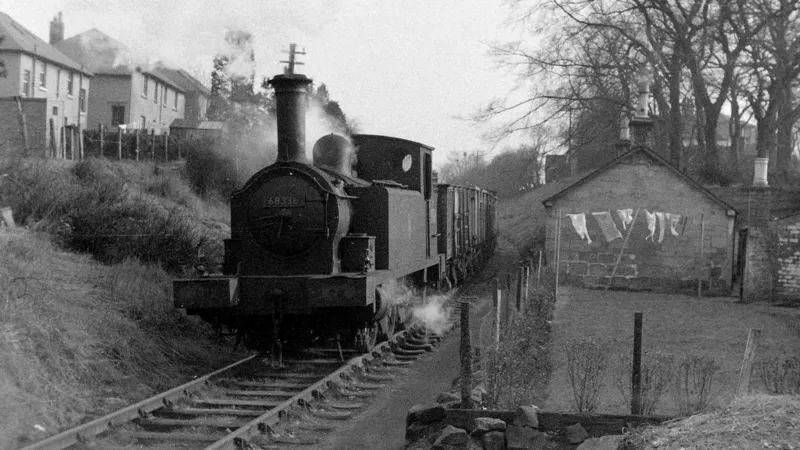
Scotland is marking the 200th anniversary of what is widely recognised as its first modern railway, the historic Monklands and Kirkintilloch line, which officially opened on May 17, 1826.
The 10-mile route, originally built to transport coal from Lanarkshire mines to the Monkland Canal, is now being celebrated for its pioneering role in shaping the country’s industrial growth and laying the foundation for modern rail transport in Scotland.
Although locomotives were not introduced immediately, the line was designed with modern rail principles in mind, allowing for eventual engine use and more efficient freight movement. By the early 1830s, steam locomotives were operating on the route, marking a significant transformation in Scotland’s transport system.
Historians say the railway played a crucial role in connecting coalfields to major industrial centres such as Glasgow and Edinburgh. This development helped fuel the rapid expansion of ironworks and heavy industry across the region during the 19th century.
Local historian Don Martin, who has extensively researched the line, described it as a “testing ground” for Scotland’s early railway expansion, influencing later projects across the country.
“It was the start of the modern railways in Scotland,” he said, highlighting its importance in transitioning from canal-based transport to faster, more efficient rail systems.
Experts also note that the railway contributed significantly to the rise of Coatbridge as an industrial powerhouse, reducing transport costs and enabling large-scale movement of raw materials that supported Scotland’s industrial revolution.
Dr Alexander Tertzakian of the University of Glasgow said the railway helped reshape regional economies. “You had this linkage that lowered transport costs and strengthened industrial growth across the west of Scotland,” he explained.
While the line ceased to be a major industrial route in the mid-20th century, sections remain in use today near Coatbridge Sunnyside Station. Parts of the historic route continue to be preserved and studied as heritage landmarks.
Commemorative events and exhibitions are currently being held in Kirkintilloch, reflecting growing public interest in Scotland’s early railway history. The celebrations come after renewed focus on Britain’s railway heritage following anniversaries of other landmark lines such as the Stockton and Darlington Railway.
As Scotland reflects on two centuries since the Monklands and Kirkintilloch line first opened, historians say its legacy remains deeply embedded in the country’s industrial identity and transport evolution.
Courtesy: BBC
Post Disclaimer
The views and content presented in this article, news report, or video are solely those of the respective author or creator and do not necessarily reflect the official policy or position of BW Times Digital Online E-Paper.










Leave a comment