














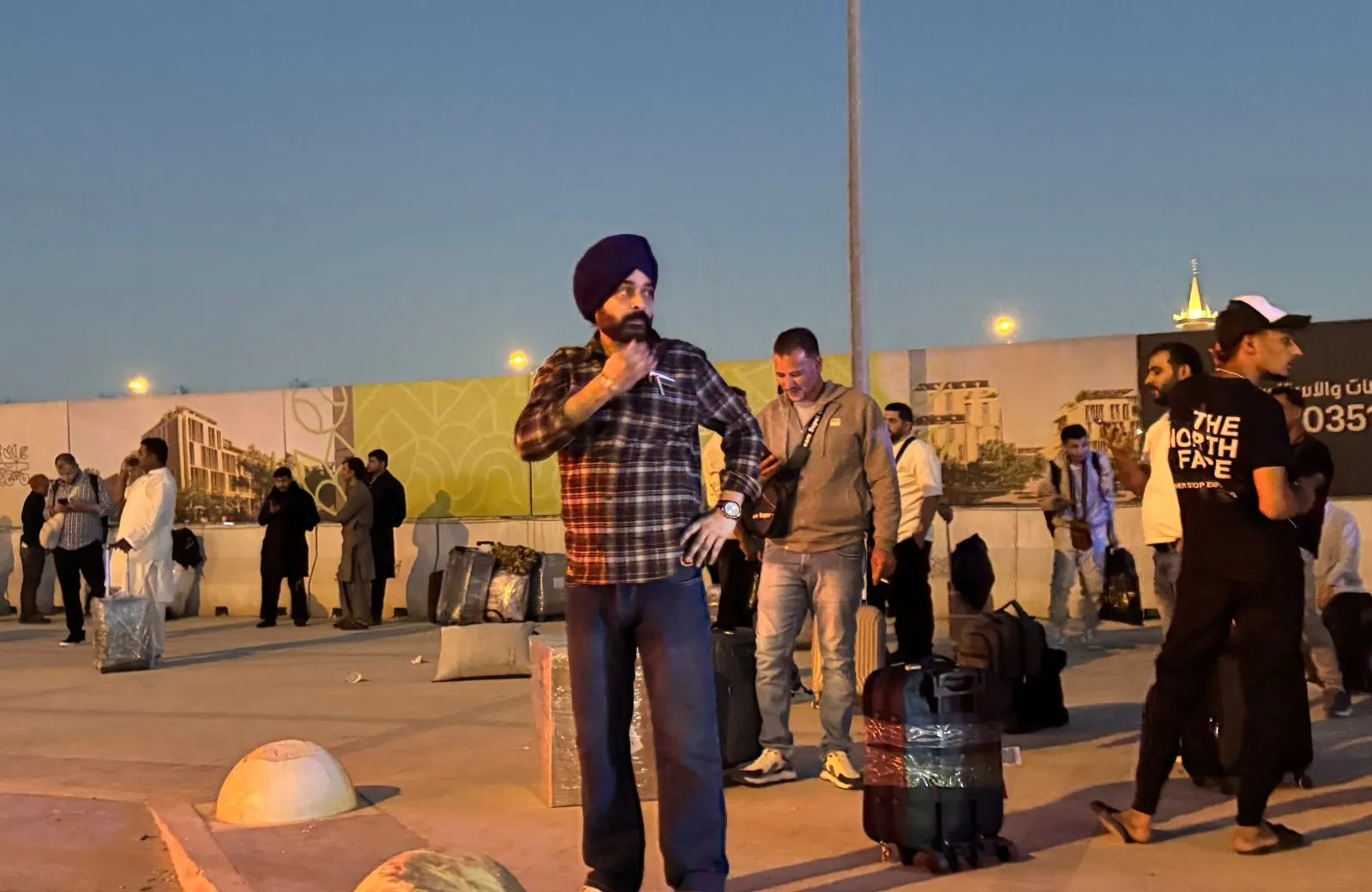
CAIRO — A projectile struck a domestic passenger terminal at King Khalid International Airport in Riyadh on Sunday, marking the second attack on the facility in two days by Iran-backed Houthi rebels. The strike follows a devastating missile attack on the same terminal Saturday that left 13 people dead and 300 wounded, making it the deadliest assault in a Gulf Arab nation since the wider conflict with Iran began.
Sunday’s attack on Terminals 3 and 4 caused additional injuries, according to Saudi authorities, and kept the airport closed to commercial traffic. Authorities later reported a separate attack on King Fahd International Airport in Dammam, located on the Persian Gulf.
The Houthis claimed responsibility for both strikes, as well as attacks on oil and gas facilities in the kingdom’s eastern region. The rebel group issued a warning to international airlines and travelers, declaring Saudi airspace and airports a “theater of operations” and highly vulnerable to ongoing military action. Several international carriers have already suspended flights.
The casualties from Saturday’s strike highlight the international footprint of the region’s workforce. The 13 victims included four Saudi citizens, two Bangladeshis, a Palestinian, a U.S. citizen, an Egyptian, a Jordanian, a Syrian, a Sudanese national, and an Indian citizen who succumbed to injuries on Sunday. Among the dead were Azza Ramzy, an Egyptian flight attendant for Saudi airline Flynas, and Buthaina Ahmad Oweida, a widowed Syrian mother living in Saudi Arabia.
The sharp escalation threatens global oil supplies and commercial shipping lanes, particularly the Bab el-Mandeb Strait at the southern end of the Red Sea. In response to the growing crisis, U.S. President Donald Trump indicated he is considering joining the fight against the Houthis and planned to speak directly with Saudi Crown Prince Mohammed bin Salman.
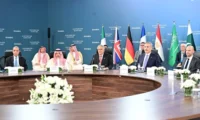
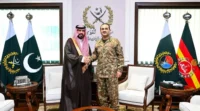
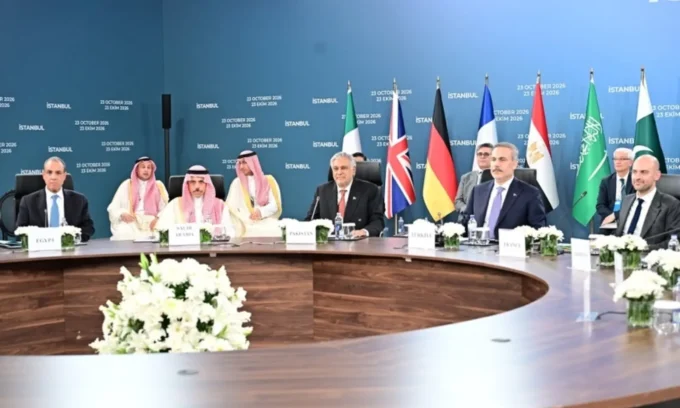
Saudi Arabia is reportedly running low on missile interceptors and has requested air defense support from France, Britain, Pakistan, and Egypt. Despite the escalating violence, Saudi officials hosted a major international energy conference in Riyadh on Sunday. Saudi Energy Minister Prince Abdulaziz bin Salman Al Saud addressed the attacks with defiance, stating, “There is no way that somebody will break our back. We are like a phoenix, we come out of the ashes all the time.”
The regional violence continues to exact a heavy toll on Yemen as well. Shortly before the Sunday strike in Riyadh, the Houthis accused the Saudi-led coalition of bombing the airport in the rebel-held Yemeni capital of Sanaa, as well as a residential home, which the Houthi-run health ministry claims killed a child and wounded six others. The ministry further stated that 91 Yemenis have been killed by the coalition over the past five weeks, with women and children comprising 60% of the casualties.
Fighting between the Saudi-led coalition and the Houthis originally began in 2015. A relative calm established by a 2022 ceasefire collapsed in July when the Houthis resumed attacks, citing Saudi fire on the Sanaa airport. The renewed conflict has revived mutual blockades and prompted heavy fighting as coalition forces attempt to push back recent Houthi advances near crucial international waterways.
Courtesy: globalnews
Post Disclaimer
The views and content presented in this article, news report, or video are solely those of the respective author or creator and do not necessarily reflect the official policy or position of BW Times Digital Online E-Paper.










Leave a comment