












The rapid expansion of artificial intelligence in the entertainment industry has created a new challenge for actors across Pakistan, Bollywood and Hollywood. As production companies increasingly adopt advanced digital technologies, concerns are growing over contract clauses that grant extensive rights over an actor’s face, voice, image and digital likeness. These provisions have sparked debate throughout the global entertainment community, with performers questioning whether they are unknowingly surrendering control over their identities.
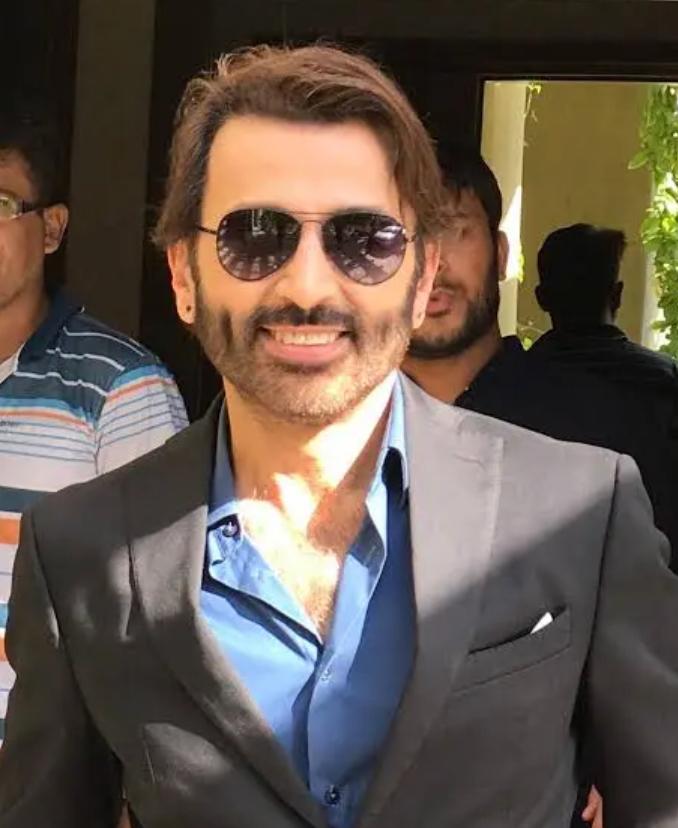
One of the founders of the Actors Collective Trust (ACT) Pakistan and renowned senior actor Faisal Rehman has issued a strong warning to artists throughout the country. He has urged actors to carefully read every agreement before signing any project, emphasizing that many production houses are now including artificial intelligence clauses that may not be in the best interests of performers.
According to Faisal Rehman, many actors sign contracts without fully understanding the legal implications of provisions related to AI-generated content, digital replicas and voice cloning technologies. He has advised artists that if they have any doubts regarding the language of a contract, they should immediately seek guidance from ACT Pakistan. He stressed that the organization is prepared to help actors understand these agreements and create awareness about emerging risks associated with artificial intelligence.
The warning comes at a time when entertainment companies around the world are investing heavily in technologies capable of recreating human performances. Artificial intelligence systems can now generate realistic voices, create digital avatars, alter facial expressions and even reproduce performances without requiring an actor to be physically present. While these innovations offer exciting creative possibilities, they also raise serious questions about ownership, consent and fair compensation.
An examination of contractual language currently appearing in some production agreements reveals broad rights being granted to companies. These provisions often permit producers to use recorded performances, photographs, voice recordings and digital scans to create modified, enhanced or AI-generated versions of performers. In some cases, the rights extend indefinitely and may apply across future technologies that have not yet been invented.
Particularly concerning are clauses that authorize the creation of synthetic voices, digital doubles, virtual avatars and AI-generated performances derived from an actor’s original work. Such provisions may allow a company to continue using a performer’s likeness long after a project has concluded. Industry observers argue that many artists may not fully appreciate the long-term consequences of granting these rights.
The issue has become a major topic of discussion internationally. In Hollywood, performers have fought for stronger protections against unauthorized digital replication and AI-generated performances. Similar conversations are emerging in India’s film industry as actors become increasingly aware of how rapidly advancing technology can affect their careers and intellectual property rights.
In Pakistan, ACT has emerged as one of the leading organizations advocating for performers’ rights. The organization has consistently worked to improve professional standards, educate artists about contractual obligations and promote fair treatment throughout the entertainment sector. With artificial intelligence becoming an increasingly important part of production processes, ACT’s role has taken on even greater significance.
Legal experts believe the future of entertainment contracts must include clear definitions regarding AI usage. Actors should know exactly how their image, voice and likeness may be used, who owns AI-generated content, how long such rights remain valid and whether additional compensation will be provided when digital replicas are commercially exploited.
For many performers, this debate extends beyond financial considerations. An actor’s face, voice and reputation are the foundation of a career built over many years. The possibility of those attributes being recreated, modified or distributed without direct involvement raises concerns about artistic integrity and personal control.
As artificial intelligence continues to transform the entertainment landscape, Faisal Rehman’s message serves as a timely reminder for artists across Pakistan. Before signing any agreement, actors must understand precisely what rights they are granting. In an era where technology can recreate a performer with remarkable accuracy, informed consent and contractual awareness have become essential tools for protecting the future of artistic careers.

Post Disclaimer
The views and content presented in this article, news report, or video are solely those of the respective author or creator and do not necessarily reflect the official policy or position of BW Times Digital Online E-Paper.









Leave a comment