














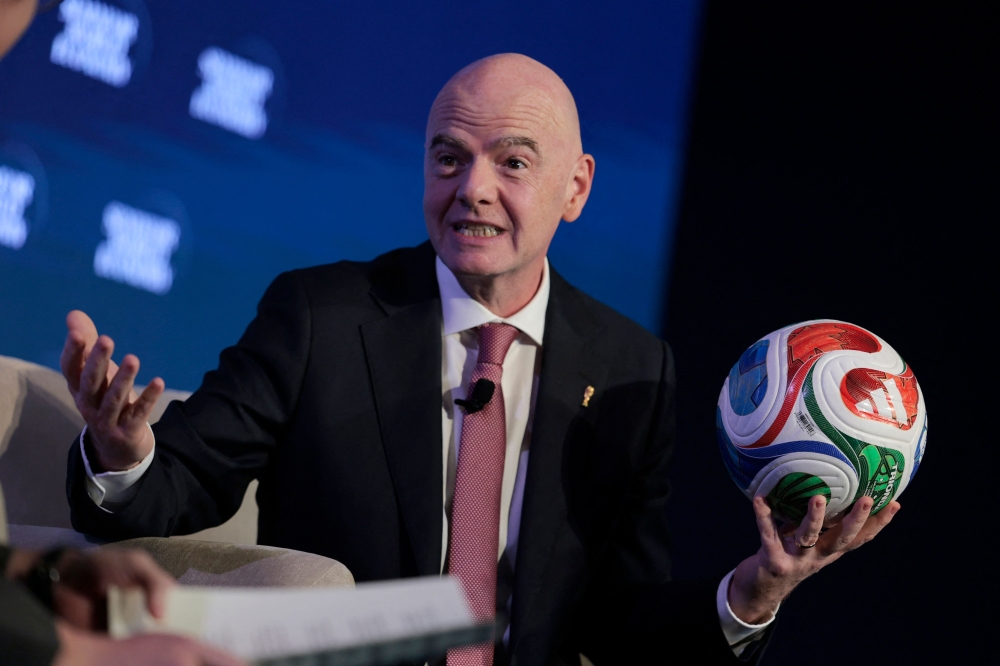
Zurich, Switzerland (April 18, 2026) — FIFA President Gianni Infantino has defended the high cost of tickets for the 2026 FIFA World Cup, arguing that the tournament remains the organization’s primary source of revenue.
Speaking at an economic summit in New York, Infantino emphasized that FIFA operates as a non-profit organization, reinvesting all income generated from the World Cup into the development of football worldwide.
“Many people don’t realise that FIFA is a non-profit,” he said. “All the revenue we generate is reinvested into the game across 211 countries.”
Ticket Prices Spark Global Debate
The comments come amid growing criticism over the soaring prices for matches at the 2026 FIFA World Cup, which will be hosted across the United States, Canada and Mexico.
Reports indicate that resale ticket prices for major fixtures have reached thousands of dollars. Tickets for opening matches and the final have been listed at premium rates, with some lower-bowl seats costing tens of thousands of dollars on secondary markets.
In response to backlash, FIFA has introduced a limited number of lower-cost tickets, starting at around $60, though availability remains restricted.
World Cup Drives FIFA Revenue Cycle
Infantino explained that the World Cup generates revenue during a single month every four years, which is then used to fund global football programs during the remaining period.
“The World Cup is the only event that generates income for FIFA,” he said. “We earn money in one month and spend it over the next 47 months to support football development worldwide.”
He added that many nations rely heavily on FIFA funding to maintain their football programs, suggesting that the pricing strategy aims to balance revenue generation with accessibility.
Expanded Tournament, Bigger Market
The 2026 edition will be the largest in history, featuring 48 teams and 104 matches across North America. Infantino described the region as a “special market,” noting that he has spent recent years in the United States to better understand its commercial landscape.
Despite FIFA’s justification, the high ticket costs continue to raise concerns among fans about affordability and access to one of the world’s most popular sporting events.
Courtesy: malaymail
Post Disclaimer
The views and content presented in this article, news report, or video are solely those of the respective author or creator and do not necessarily reflect the official policy or position of BW Times Digital Online E-Paper.











Leave a comment