





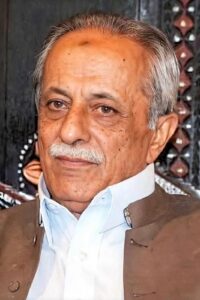






A Palestinian man who once travelled to Canada to donate a kidney to his sister now faces an uncertain future as his refugee claim may be ruled ineligible under new federal legislation.
Mohammad Al Hindi arrived in Canada in August 2023 for a humanitarian reason — to donate a kidney to his sister, a Canadian citizen. After recovering from surgery, he returned to Gaza, only to flee months later as conflict escalated following the Israel Hamas war.
He and his family later re-entered Canada in 2025 under a temporary program for relatives of Canadian citizens and filed a refugee claim in September that year. However, his application is now under review due to provisions in Bill C-12.
The law, introduced by the Government of Canada, states that refugee claims made more than one year after a claimant’s first entry into the country may not be referred to the Immigration and Refugee Board of Canada. The rule applies retroactively to arrivals dating back to June 2020.
Al Hindi received a procedural fairness letter from Immigration Refugees and Citizenship Canada requesting further information, warning his claim could be deemed ineligible. If that happens, he would not receive a full hearing and could instead rely on a pre-removal risk assessment — a process with significantly lower approval rates.
Immigration experts say the situation highlights growing concerns about access to refugee protection. Edmonton-based lawyer Jouman El-Asmar noted that such assessments are largely paper-based and lack the procedural safeguards of a full tribunal hearing.
Al Hindi’s case is not unique. Officials estimate up to 30,000 claimants could receive similar notices under the new policy. Critics argue the legislation risks leaving vulnerable individuals in legal limbo, especially in cases involving ongoing humanitarian crises.
For now, Al Hindi continues working and supporting his family while awaiting a decision. With deportations to Gaza currently paused, he could remain in Canada without status if his claim is rejected.
“I saved a life here,” he said. “Now I don’t know what will happen to mine.”
Courtesy: ctvnews
Post Disclaimer
The views and content presented in this article, news report, or video are solely those of the respective author or creator and do not necessarily reflect the official policy or position of BW Times Digital Online E-Paper.






Leave a comment