


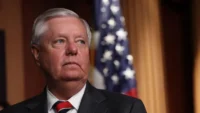













Jeromy Farkas is strongly opposing proposed Alberta legislation that could give the provincial government authority over municipal bike lanes, warning the move could undermine local decision-making and create new road safety concerns.
The proposed legislation, expected to be introduced this fall by Alberta Transportation Minister Devin Dreeshen, would allow the province to approve future cycling infrastructure projects and potentially remove some existing bike lanes across Alberta municipalities.
The proposal has sparked growing debate in Calgary and beyond, with cycling advocates, municipal leaders, and urban planners raising concerns over provincial intervention in local transportation planning.
Farkas Defends Existing Cycling Infrastructure
Mayor Farkas urged the Alberta government to “pump the brakes” on the proposal, arguing that removing established bike lanes could negatively affect commuter safety and active transportation networks already being used by residents.
“Anything that the province wants to do that could potentially make roads less safe for kids right now, I’ll strongly be pushing back,” Farkas said during comments reported Tuesday.
While the mayor said he remains open to collaboration with the province, he emphasized that municipalities are better positioned to understand local transportation needs and community safety priorities.
Province Defends Proposed Changes
Minister Dreeshen defended the planned legislation, saying the province has received complaints about traffic congestion and concerns surrounding poorly designed cycling infrastructure projects.
According to the province, Alberta continues investing heavily in road expansion projects, and officials argue municipalities should carefully balance transportation planning with road capacity demands.
The legislation would mark a significant shift in governance, as municipal governments have traditionally managed bike lane planning and infrastructure decisions independently.
Cycling Advocates Warn of Safety Risks
Cycling groups and urban mobility advocates have criticized the proposal, warning that removing bike lanes could reduce road safety for cyclists, pedestrians, and families using active transportation routes.
Doug Clark, president of Bike Calgary, suggested the legislation could potentially face legal challenges if implemented. He argued local governments are best equipped to design safe and effective cycling networks based on community needs.
Meanwhile, Calgary councillor Nathaniel Schmidt questioned whether there is significant public demand to remove existing bike lanes and called for clearer evidence before provincial intervention moves forward.
National Debate Over Bike Lanes Continues
The dispute in Alberta reflects a broader national debate over cycling infrastructure unfolding in several major Canadian cities.
In Toronto, cycling advocates continue battling Ontario government policies related to bike lane removals and approvals. Advocacy organizations have launched legal challenges aimed at protecting cycling infrastructure projects across the province.
Meanwhile, Montreal and Vancouver are also facing growing tensions surrounding future bike lane expansion projects and urban transportation priorities.
Supporters of cycling infrastructure argue bike lanes improve public safety, reduce traffic congestion over time, encourage healthier lifestyles, and support environmentally sustainable transportation systems.
Critics, however, claim some projects reduce vehicle capacity and contribute to traffic bottlenecks in already congested urban corridors.
Debate Expected to Intensify
As Alberta prepares to unveil the legislation later this year, the debate over municipal authority, public safety, and transportation policy is expected to intensify.
For Calgary, the discussion has become part of a larger conversation about how rapidly growing Canadian cities balance road expansion, public transit, environmental goals, and active transportation infrastructure.
The proposed legislation has not yet been formally introduced, but municipal leaders and advocacy groups across Alberta are expected to closely monitor its development in the months ahead.
Courtesy: cyclingmagazine
Post Disclaimer
The views and content presented in this article, news report, or video are solely those of the respective author or creator and do not necessarily reflect the official policy or position of BW Times Digital Online E-Paper.









Leave a comment