








As the sun rises across Europe, North America, and other parts of the Western world, millions of Muslims are gathering in mosques, open grounds, and community centers to begin the celebrations of Eid ul Adha, one of the most sacred festivals in Islam. While many countries in the Eastern world, including Saudi Arabia, Pakistan, Indonesia, Bangladesh, and the Gulf states, have already completed Eid prayers earlier due to time differences, the spirit of Eid continues to travel across continents, uniting the global Muslim community in faith, sacrifice, and compassion.
From the crowded streets of Cairo to the neighborhoods of London, from refugee camps in Gaza to mosques in Canada and the United States, Muslims belonging to both Sunni and Shia communities are celebrating together with prayers, family gatherings, charity, and remembrance of one of the greatest stories of devotion in human history: the sacrifice of Hazrat Ibrahim and Hazrat Ismail.
Eid ul Adha, also known as the Festival of Sacrifice, is deeply connected to the annual pilgrimage of Hajj taking place in Makkah. Every year, millions of pilgrims dressed in simple white garments gather at the holy sites to perform rituals that trace back thousands of years to the life of Hazrat Ibrahim, his wife Hazrat Hajra, and their son Hazrat Ismail. The message of Eid is not only religious but also deeply human. It speaks about faith during hardship, obedience during uncertainty, and compassion toward humanity.
According to Islamic tradition, Hazrat Ibrahim saw a dream in which Allah commanded him to sacrifice his beloved son Hazrat Ismail. For any father, this was an unimaginable test. Yet Hazrat Ibrahim remained steadfast in his faith. When he shared the command with Hazrat Ismail, the young son responded with patience and courage, telling his father to do what Allah had commanded. As Hazrat Ibrahim prepared to carry out the sacrifice, Allah replaced Hazrat Ismail with a ram, showing that the purpose of the test was devotion and sincerity, not human sacrifice. This moment became one of the most powerful symbols of submission to God in Islamic history.
Today, Muslims around the world honor that sacrifice through Qurbani, the ritual sacrifice of animals such as sheep, goats, cows, or camels. The meat is divided among family, relatives, and especially the poor and needy. In many countries, charities distribute meat to refugee camps, struggling families, and communities affected by war and poverty. For countless people, Eid meals may be the only proper meal they receive all year.
This year’s Eid arrives during a time when several Muslim-majority regions are facing conflict, displacement, and humanitarian crises. In Gaza, families continue to celebrate under the shadow of destruction and uncertainty. In Sudan, Yemen, parts of Syria, and other conflict zones, many Muslims are observing Eid while mourning loved ones and struggling for survival. Yet despite pain and hardship, mosques still echo with Takbeer, children still wear new clothes where possible, and families still gather to pray for peace and mercy.
Across the Western world, Eid has become increasingly visible as Muslim communities continue to grow and contribute to multicultural societies. In cities such as Toronto, London, New York, Paris, and Sydney, large Eid congregations are being held in stadiums, convention centers, and public parks. Muslim families wake before dawn, dress in traditional clothing, and head toward Eid prayers while exchanging greetings of “Eid Mubarak.” Restaurants prepare special meals, homes fill with guests, and children receive gifts and money known as Eidi.
For many Muslims living in Western countries, Eid is also a reminder of identity and belonging. Families who migrated from South Asia, the Middle East, Africa, and other regions carry their traditions across generations. Different cultures celebrate Eid in unique ways, but the spiritual message remains the same. Pakistani families prepare biryani and kebabs, Arab households welcome guests with dates and coffee, Turkish families serve sweets and pastries, while African communities organize large communal feasts. Despite cultural differences, Muslims stand shoulder to shoulder in prayer as one global Ummah.
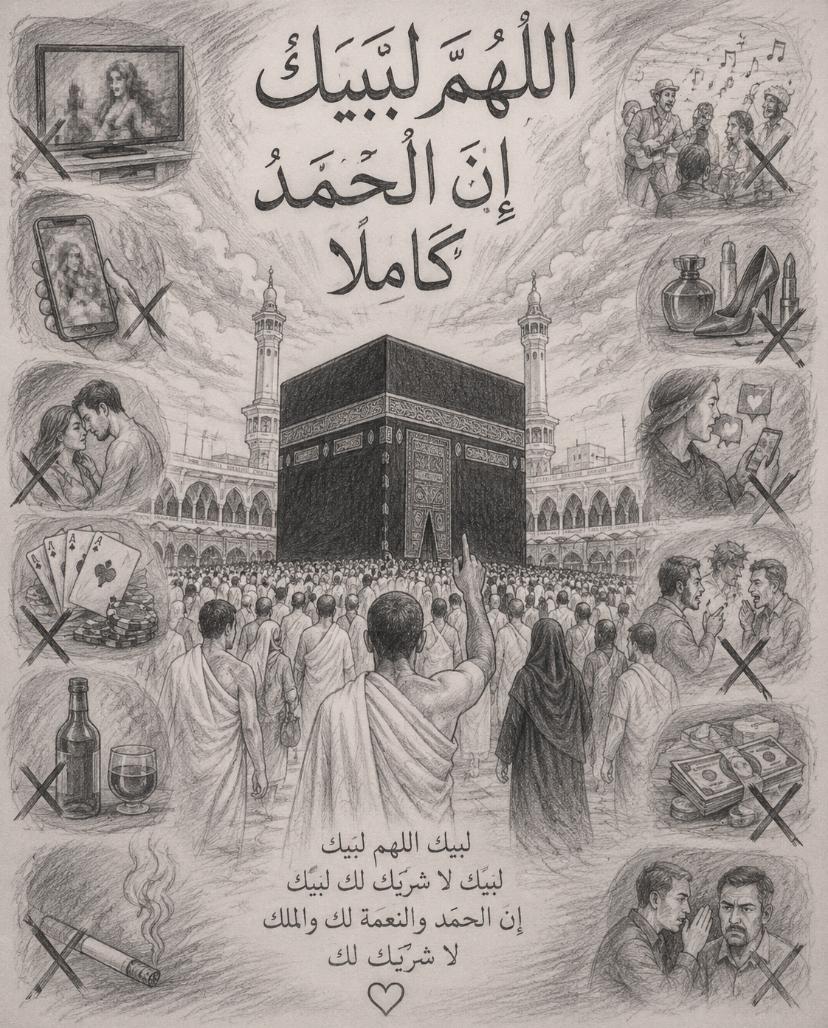
At the center of Eid ul Adha is Hajj, the fifth pillar of Islam and one of the largest annual religious gatherings in the world. Every Muslim who is physically and financially able is required to perform Hajj at least once in their lifetime. Pilgrims travel to Makkah from nearly every country on Earth, wearing simple white garments called Ihram to symbolize equality before Allah. Rich and poor, powerful and ordinary, all stand together without distinction.
The rituals of Hajj carry profound spiritual meaning. Pilgrims circle the Kaaba in Tawaf, walk between the hills of Safa and Marwah in remembrance of Hazrat Hajra’s desperate search for water for her son Ismail, and gather on the plains of Arafat in prayer and repentance. Many scholars describe the Day of Arafat as the spiritual heart of Hajj, where millions raise their hands together seeking forgiveness and mercy.
Pilgrims also spend the night in Muzdalifah, collect stones, and perform the symbolic stoning of the pillars representing Satan in Mina. This act commemorates Hazrat Ibrahim rejecting Satan’s attempts to discourage him from obeying Allah. Finally, pilgrims perform Qurbani, linking Hajj directly to the message of Eid ul Adha celebrated by Muslims worldwide.
Beyond rituals and celebrations, Eid ul Adha carries an important moral lesson. Islam teaches that sacrifice is not only about slaughtering an animal but also about sacrificing ego, greed, hatred, and selfishness. The Quran emphasizes that neither meat nor blood reaches Allah, but rather the sincerity and righteousness of believers. For many Muslims, Eid becomes a time to forgive others, reconnect with family, help the poor, and reflect on their relationship with God.
Children often experience Eid as a joyful occasion filled with gifts, sweets, and gatherings, but elders remind younger generations about the deeper meaning behind the celebration. It is a story of patience, obedience, and trust. It is a reminder that faith often requires courage during difficult times.
As Eid ul Adha spreads from East to West across different time zones today, the global Muslim community remains united by prayer and tradition despite political divisions, cultural differences, and ongoing conflicts. In villages, refugee camps, skyscraper cities, and remote towns, the Takbeer continues to echo:
“Allahu Akbar, Allahu Akbar, La ilaha illallah, Allahu Akbar, Allahu Akbar wa lillahil hamd.”
For Muslims around the world, Eid ul Adha is not only a festival. It is a living connection to faith, history, sacrifice, and humanity itself.
Post Disclaimer
The views and content presented in this article, news report, or video are solely those of the respective author or creator and do not necessarily reflect the official policy or position of BW Times Digital Online E-Paper.








Leave a comment