













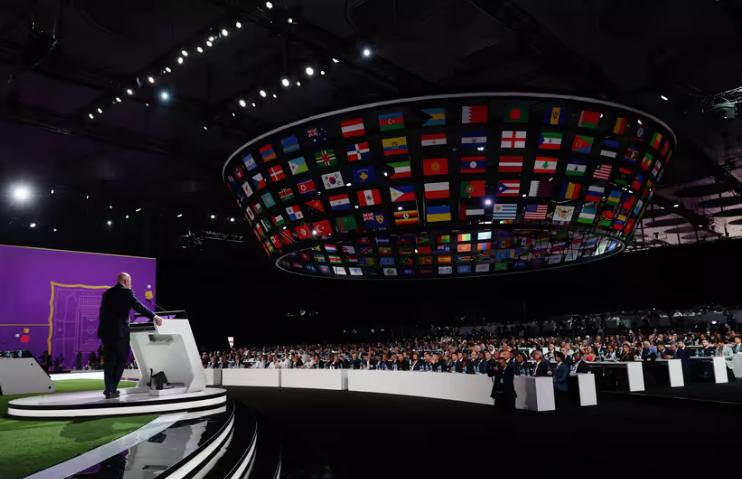
The 76th FIFA Congress taking place in Vancouver, Canada, represents one of the most important annual gatherings in global football governance. This meeting brings together representatives from across the world to discuss, decide, and shape the future of the sport at the highest level. Scheduled just ahead of the 2026 FIFA World Cup, the timing of this congress adds even greater significance, as major strategic and organizational matters are expected to be addressed.
FIFA, the international governing body of football, consists of 211 member associations, and each of these members has the right to participate in the congress. Every association holds one vote, which ensures that even smaller nations have equal formal representation alongside the larger football powers. In addition to the official delegates representing each country, the total number of participants typically rises to around 1,500 to 1,600 people. This broader group includes FIFA Council members, officials from the six continental confederations, administrative staff, media representatives, and various stakeholders connected to the sport.
The leadership of FIFA is central to the proceedings of the congress. The current president, Gianni Infantino, presides over the meeting and plays a key role in guiding discussions and presenting strategic priorities. Alongside him, the FIFA Council, which includes representatives from different regions of the world, contributes to decision-making and policy direction. Senior executives and the general secretariat are also actively involved, ensuring that operational and administrative matters are addressed effectively.
The agenda of the congress typically covers a wide range of topics that influence global football. One of the key areas of focus is the future of international tournaments. Decisions related to upcoming competitions, including women’s tournaments and club competitions, are often discussed, with bidding processes and hosting rights forming an important part of the conversation. Governance reforms are another central theme, as FIFA continues to face pressure to maintain transparency, accountability, and ethical standards. Financial oversight, regulatory updates, and measures aimed at strengthening integrity within the sport are usually debated in detail.
A major point of attention in this particular congress is the preparation for the 2026 FIFA World Cup, which will be jointly hosted by Canada, the United States, and Mexico. This tournament will be historic in several ways, including its expanded format featuring 48 teams. As a result, logistical planning, infrastructure readiness, scheduling, and operational frameworks are all expected to be key discussion points. The congress provides an opportunity for member associations to raise concerns, seek clarifications, and contribute to shaping how the tournament will be executed.
The global development of football also remains a priority topic. FIFA uses the congress as a platform to discuss funding programs, technical support, and initiatives aimed at growing the game in developing regions. Women’s football, youth development, and grassroots programs are often highlighted, reflecting the organization’s broader mission to expand the reach and inclusivity of the sport.
Looking back historically, Canada last hosted a FIFA Congress in Montreal in 1976. At that time, the organization had significantly fewer member associations, with just over one hundred countries represented. The scale and influence of FIFA have grown dramatically since then, making the return of the congress to Canada after nearly five decades a notable milestone. The Vancouver event symbolizes both the evolution of the organization and Canada’s increasing role in international football.
One topic that often draws attention in FIFA gatherings is the participation of countries facing political or regulatory challenges. Iran, as a FIFA member association, continues to hold the right to attend and participate in the congress. However, issues related to governance, human rights concerns, and compliance with FIFA regulations have been raised in the past, particularly regarding access to stadiums for women and questions about external interference in football administration. While these matters do not prevent participation, they remain part of the broader discussions surrounding international football governance and standards.
The congress is not only a formal decision-making body but also a space where diplomacy and relationships play a crucial role. Delegates from different regions engage in discussions that go beyond official sessions, forming alliances, sharing perspectives, and influencing future directions. The presence of media and global stakeholders further amplifies the importance of the event, as announcements and decisions made during the congress often have far-reaching implications.
In essence, the 76th FIFA Congress in Vancouver serves as a central मंच where the global football community comes together to evaluate its present and plan its future. With participation from 211 member associations, leadership from FIFA’s top officials, and the backdrop of an upcoming historic World Cup, the meeting carries substantial weight. It reflects not only the administrative side of football but also the political, social, and economic dimensions that shape the world’s most popular sport.
Post Disclaimer
The views and content presented in this article, news report, or video are solely those of the respective author or creator and do not necessarily reflect the official policy or position of BW Times Digital Online E-Paper.









Leave a comment