















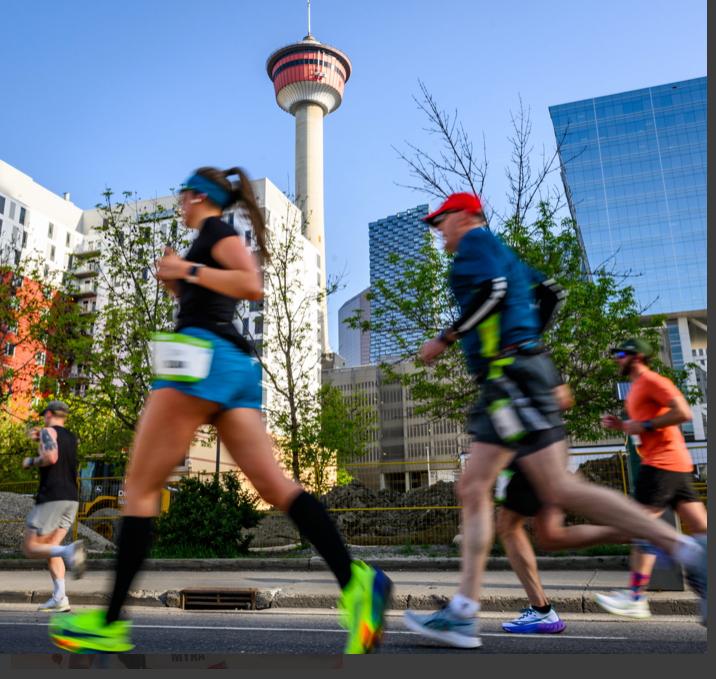
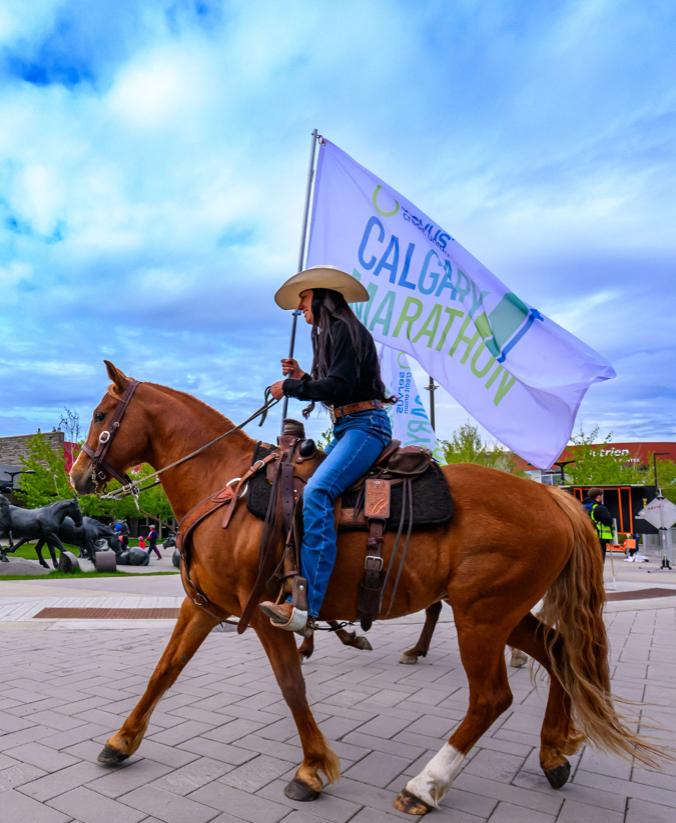
The 2026 Servus Calgary Marathon is set to bring another major celebration of endurance, fitness, and community spirit to Calgary as thousands of runners from across Canada and around the world prepare to participate in one of the country’s most historic road racing events. Scheduled for May 23 and 24, the marathon weekend will once again transform the city’s downtown core, river pathways, and surrounding communities into a vibrant festival of sport, attracting elite athletes, recreational runners, charity participants, families, and international visitors.
Recognized as Canada’s longest-running marathon, the Servus Calgary Marathon has become one of the most significant annual sporting events in Western Canada. Organizers expect more than 10,000 official participants for the 2026 edition, while race-related activities, volunteers, spectators, and community programs are expected to draw tens of thousands of people throughout the marathon weekend. Participants are expected to arrive not only from Calgary and Alberta but also from provinces across Canada including British Columbia, Saskatchewan, Manitoba, Ontario, and Quebec, alongside runners traveling from the United States, Europe, Asia, Australia, and several other international destinations.
The marathon week officially begins on May 18 with community engagement activities, promotional events, athlete preparation sessions, and citywide programs connected to race weekend. Local fitness organizations, sponsors, and running clubs are expected to organize shakeout runs, wellness events, and training sessions throughout the week as anticipation builds toward the main races.
Race organizers have confirmed that the official Runner’s Expo and package pick-up will open on Friday, May 22, at GMC Stadium. The expo serves as one of the central gathering points of marathon weekend where runners collect race bibs, timing chips, participant packages, and event information. Sponsors, health and fitness companies, athletic apparel brands, nutrition providers, and community organizations are also expected to participate in the expo, creating an atmosphere that reflects the growing popularity of distance running in Canada.
The Elite Athlete Briefing is scheduled for Friday afternoon and will include participation from professional runners, coaches, race officials, and media representatives. Elite athletes competing in the full marathon and half marathon are expected to include Canadian distance runners as well as international competitors seeking qualifying times and championship-level performances.
The two-day race format introduced in recent years has significantly expanded participation and improved race logistics. Saturday, May 23, will feature the shorter-distance community races including the 10-kilometre event, the 5-kilometre race, youth races, and family-oriented activities. Early morning operations will begin before sunrise with bag check services, volunteer coordination, and road closures taking effect around the downtown core and pathway systems.
The 10-kilometre race is scheduled to begin shortly before 7 a.m. and traditionally attracts competitive runners alongside recreational participants aiming for personal best performances. The 5-kilometre event later in the morning is designed to encourage broader community participation, including beginner runners, walkers, corporate teams, and charity supporters. Youth races and children’s events are also planned for Saturday, helping create a family-friendly environment that has become one of the defining features of the Servus Calgary Marathon.
Post-race celebrations at Enmax Park are expected to continue throughout Saturday with live entertainment, sponsor activations, food vendors, recovery stations, and community programming. The Runner’s Expo will also remain open during the day to accommodate late-arriving participants and visitors.
Sunday, May 24, will showcase the marathon’s premier events including the full 42.2-kilometre marathon and the 21.1-kilometre half marathon. These races represent the centerpiece of the entire weekend and are expected to attract the largest crowds and strongest competitive fields. The half marathon is scheduled to begin shortly after 6 a.m., followed by the full marathon approximately 30 minutes later.
Race routes will guide runners through several of Calgary’s most recognizable districts, scenic river pathways, and urban landscapes. Participants will experience portions of downtown Calgary, the Bow River pathway system, residential communities, and major city landmarks as part of the course. Spectator support zones, volunteer stations, hydration points, and medical support teams will be positioned throughout the race routes to ensure athlete safety and community engagement.
The marathon has become particularly well known for its inclusive atmosphere. In addition to elite athletes, the event welcomes adaptive athletes, wheelchair participants, charity teams, first-time runners, and runners of all age categories. Organizers continue to emphasize accessibility and community involvement, helping position the event as both a major sporting competition and a citywide celebration of health and participation.
One of the marathon’s most important features is its Charity Challenge program, which has evolved into a major fundraising platform for nonprofit organizations across Alberta. Since the launch of the initiative, millions of dollars have been raised for healthcare programs, youth organizations, educational initiatives, shelters, mental health services, and numerous community-based charities. Organizers say the Charity Challenge has helped strengthen the marathon’s connection to the broader community while encouraging runners to participate for causes beyond personal athletic achievement.
The history of the Calgary Marathon stretches back more than six decades and represents an important chapter in Canadian distance running. The origins of the event can be traced to 1963 when Calgary first hosted organized long-distance road races during a period when marathon running was still relatively uncommon in Canada. The event officially developed into a recognized annual marathon during the early 1970s and steadily grew in popularity as recreational running expanded across North America.
Over the decades, the race evolved from a relatively modest local competition into one of Canada’s premier marathon festivals. Throughout the 1980s and 1990s, participation increased significantly as marathon culture experienced rapid growth internationally. Calgary’s strong running community, combined with the city’s extensive pathway system and active lifestyle culture, helped establish the marathon as a signature sporting event in Alberta.
The race has undergone multiple transformations over the years, including route redesigns, operational improvements, sponsorship changes, and expanded race categories. The involvement of Servus Credit Union as title sponsor brought additional visibility and community investment to the event, helping strengthen its long-term sustainability and profile within Canadian athletics.
The marathon’s reputation also grew because of its status as a qualifying race for internationally recognized marathons, including the Boston Marathon. Competitive runners seeking official qualifying times have increasingly targeted Calgary due to its professional race organization and certified course standards.
Another major factor in the marathon’s growth has been Calgary’s emergence as a multicultural and internationally connected city. In recent years, participation from international athletes and visitors has continued to expand, with runners traveling from countries across Europe, Asia, Africa, Oceania, and the Americas. Tourism officials and local businesses have recognized the marathon’s growing economic impact, as hotels, restaurants, transportation providers, and retail businesses experience increased activity during race weekend.
Volunteers remain one of the essential foundations of the event’s success. Hundreds of volunteers assist with race operations including registration, hydration stations, medical support, crowd management, logistics, course marshaling, and athlete services. Organizers regularly highlight volunteer contributions as one of the key reasons the event maintains its reputation for professionalism and hospitality.
Community response to the marathon has remained overwhelmingly positive in recent years. Participants frequently praise the organization of the race, the enthusiasm of spectators, the scenic route design, and the welcoming atmosphere created throughout the weekend. While Calgary’s elevation and occasional weather variability can present challenges for runners, many participants consider the race one of the most memorable marathon experiences in Canada.
The Servus Calgary Marathon also reflects broader changes in Canadian sports culture where participation-based events increasingly emphasize wellness, inclusion, and community engagement alongside elite competition. Families, corporate groups, schools, charities, and local organizations now participate in large numbers, turning the event into much more than a traditional athletic competition.
As Calgary prepares for the 2026 edition, city officials, organizers, sponsors, volunteers, and athletes are once again expected to come together to celebrate one of Canada’s oldest and most respected marathon traditions. With thousands of runners preparing to take part and spectators expected to line the streets throughout race weekend, the event is anticipated to further strengthen its reputation as one of the country’s premier distance running festivals and a major annual highlight on Calgary’s sporting calendar.
Post Disclaimer
The views and content presented in this article, news report, or video are solely those of the respective author or creator and do not necessarily reflect the official policy or position of BW Times Digital Online E-Paper.








Leave a comment