


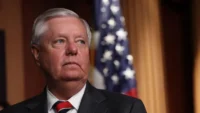













Jeromy Farkas is pushing back against the Alberta government’s proposal to give itself authority over municipal bike lanes, describing the initiative as “symbolic virtue-signalling” and urging the province to focus instead on urgent public safety concerns such as pedestrian fatalities.
The mayor’s comments came after Devin Dreeshen confirmed that the provincial government intends to introduce legislation this fall that would allow Alberta to review and approve future bike lanes and potentially remove some existing cycling routes.
Under current practice, municipalities such as Calgary are responsible for planning and managing local transportation infrastructure, including cycling networks and traffic safety improvements.
Farkas said he welcomes collaboration with the province, but he strongly opposes any action that could compromise road safety for children and everyday cyclists.
“Anything that the province wants to do that could potentially make roads less safe for kids right now, I’ll strongly be pushing back,” the mayor said.
He argued that the government’s attention would be better directed toward issues with a more immediate impact on public well-being. Calgary recorded its highest number of pedestrian deaths in 2025 since police began keeping such records in 1996, making pedestrian safety one of the city’s most pressing transportation concerns.
Farkas noted that he had requested a meeting with Dreeshen to discuss pedestrian safety, but the meeting was cancelled and has yet to be rescheduled.
The mayor criticized what he described as a pattern of symbolic debates overshadowing more substantial issues.
“When you see the province focusing on more of these symbolic virtue-signalling things like which books belong in libraries, what time the clock should be adjusted to, and even the latest stuff about bike lanes, it’s a lack of focus on the priorities that matter,” he said.
Farkas also suggested the bike lane debate serves as a “channel changer,” diverting public attention from other controversies facing the provincial government.
Minister Dreeshen defended the proposal, saying Alberta is concerned when municipalities spend public funds on projects that may reduce road capacity while the province is investing billions of dollars to expand transportation infrastructure.
“We’re concerned when municipalities use taxpayer dollars to reduce road capacity at a time when our province is investing billions to expand it,” Dreeshen said.
Supporters of cycling infrastructure argue that bike lanes improve safety, reduce congestion, and encourage healthier and more sustainable transportation choices. Calgary currently has approximately 290 kilometres of on-street cycling infrastructure, forming one of the largest urban cycling networks in Western Canada.
Nathaniel Schmidt said he has not seen evidence suggesting widespread public demand to remove bike lanes and questioned the policy rationale behind the province’s proposed legislation.
“Is it good policy? We haven’t seen any data or good information about why this needs to happen now,” Schmidt said.
Doug Clark warned that reducing bike lanes could make streets more dangerous and said the organization may consider legal action if the legislation proceeds.
He emphasized that local governments are best positioned to determine transportation priorities based on community needs and traffic patterns.
The debate in Alberta mirrors a similar legal battle in Ontario, where the provincial government’s plan to remove bike lanes in Toronto was challenged in court by cycling advocates. A ruling from Ontario’s highest court is still pending.
As the discussion continues, the issue has become a broader debate about municipal autonomy, public safety, and the role of active transportation in rapidly growing cities.
For Mayor Farkas, the priority remains clear: ensuring Calgary’s roads are safer for everyone, whether they walk, cycle, or drive.
Courtesy: CBC
Post Disclaimer
The views and content presented in this article, news report, or video are solely those of the respective author or creator and do not necessarily reflect the official policy or position of BW Times Digital Online E-Paper.










Leave a comment