









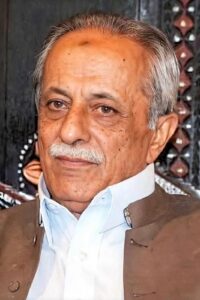







CALGARY, Alberta: A former Calgary resident who spent a decade working in Alberta’s oil and gas industry says the province’s separatist movement reflects genuine frustrations, but argues that leaving Canada would be the wrong response to concerns about federal representation, resource development and economic fairness.
Chris Regier, who lived in Calgary from 1999 to 2009 before returning to Saskatchewan, believes Albertans have legitimate reasons to question their relationship with Ottawa. However, he says some separatist arguments overlook the economic advantages Alberta enjoys compared with other parts of the country.
Regier’s experience living and working in both provinces has given him a perspective on the growing debate over Alberta’s future. While he understands the resentment driving the separatist movement, he believes the province’s grievances must be addressed through cooperation rather than division.
During his years in Calgary, Regier witnessed the prosperity associated with Alberta’s oil and gas sector. He recalled corporate celebrations that included private jet travel, expensive Christmas parties and luxury hotel accommodations, experiences that left a lasting impression on him as someone who grew up in rural Saskatchewan.
Although he acknowledged that Albertans work hard and deserve to benefit from their efforts, Regier said the contrast between the lifestyles he witnessed in Alberta and those of equally hardworking people in Saskatchewan made him question whether some Albertans fully appreciated their economic advantages.
He also pointed to Alberta’s relatively low tax burden, including the absence of a provincial sales tax and comparatively low personal and corporate income taxes, as important factors that distinguish the province from other Canadian jurisdictions.
However, Regier stressed that Alberta’s economic advantages do not erase the frustrations many residents feel about federal decision-making.
The province has experienced significant economic boom-and-bust cycles, particularly because of its dependence on the energy industry. Changes in the oil and gas sector have affected employment, business investment and the prosperity that once defined many communities.
He also acknowledged a broader Prairie concern that federal governments can be difficult to influence because of the region’s limited representation relative to Canada’s more populous provinces.
These frustrations are not unique to Alberta. Saskatchewan has faced similar challenges involving access to international markets for its energy resources, concerns about federal equalization payments and a feeling that political decisions are often made without sufficient consideration for the Prairie provinces.
Regier argued that these shared experiences should encourage Albertans and Saskatchewan residents to recognize their common interests rather than pursue separation.
His opposition to Alberta independence does not mean he dismisses the concerns of separatists. Instead, he believes the debate highlights long-standing tensions between resource-producing provinces and the federal government that require meaningful political attention.
One of the most significant issues in the discussion is the relationship between Alberta’s natural resources and Canada’s broader economic interests.
Regier recalled the disputes between Alberta and British Columbia over pipeline construction, particularly disagreements about transporting Alberta oil to coastal export markets. Those conflicts raised questions about whether one province should be able to prevent another from accessing international markets through infrastructure projects that cross provincial boundaries.
He drew a comparison between Alberta’s oil resources and British Columbia’s coastline, arguing that both have significance beyond the provincial borders where they are located.
If Alberta’s resource wealth contributes to the broader Canadian economy, he suggested, the country should also consider how other provinces’ geographical advantages can support national economic development.
At the same time, he acknowledged that pipeline development and coastal infrastructure carry environmental risks. An oil spill, for example, could create serious consequences for British Columbia and would require a response that extends beyond the interests of Alberta alone.
This, he argued, illustrates why resource development should be treated as a shared national responsibility, with both economic benefits and potential risks considered fairly.
The equalization program remains another source of controversy. Critics in Alberta frequently argue that the province contributes significantly to federal revenues without receiving an equivalent direct return. However, equalization is designed to help provinces provide reasonably comparable public services by addressing differences in their fiscal capacity, rather than simply returning money to each province in proportion to what it contributes.
Regier acknowledged that the system is imperfect and that dissatisfaction with it is understandable. Nevertheless, he believes the existence of disagreements over federal transfers does not justify dismantling the Canadian federation.
His argument also reflects the personal connections many Canadians have with Alberta. Thousands of people from other provinces have moved to Calgary and other Alberta communities for education, employment and business opportunities. Many later returned to their home provinces while maintaining strong family, professional and social ties to Alberta.
For Regier, Calgary remains a city he greatly enjoyed, particularly because of its proximity to the Rocky Mountains. After a decade in the province, however, he decided to return to Saskatchewan to be closer to his family and move away from the corporate culture he had experienced in Alberta’s energy industry.
That experience has shaped his view of the current separatism debate. He understands why some Albertans believe their interests are overlooked in Ottawa, but he also believes the province’s prosperity and national connections deserve greater recognition.
The challenge for Canada, he suggested, is to address regional grievances without allowing frustration to develop into a movement that could permanently divide the country.
As discussions surrounding a potential Alberta separation referendum continue, Regier’s perspective underscores a central question facing the province: how can Alberta secure a stronger voice in national decision-making while preserving the economic, political and social relationships that connect it to the rest of Canada?
He believes the answer lies in reform, negotiation and a more balanced approach to national resource development, not independence.
For Alberta and Saskatchewan alike, the underlying concerns are significant. Both provinces want their resources to reach international markets, their economies to receive fair consideration and their political voices to carry greater weight in Ottawa.
Regier’s message is that these demands deserve serious attention. But he argues that the long-term interests of Albertans and other Canadians are better served by working through their differences than by abandoning the country they share.
Courtesy: CBC
Post Disclaimer
The views and content presented in this article, news report, or video are solely those of the respective author or creator and do not necessarily reflect the official policy or position of BW Times Digital Online E-Paper.












Leave a comment