
















A powerful late season snowstorm swept across Alberta last night, delivering conditions more typical of winter than mid April. The system moved across southern and central regions of the province, affecting major cities including Calgary, Edmonton, Red Deer, Lethbridge, and Medicine Hat. The storm has drawn attention not only because of its intensity but also due to its unusual timing deep into the spring season.
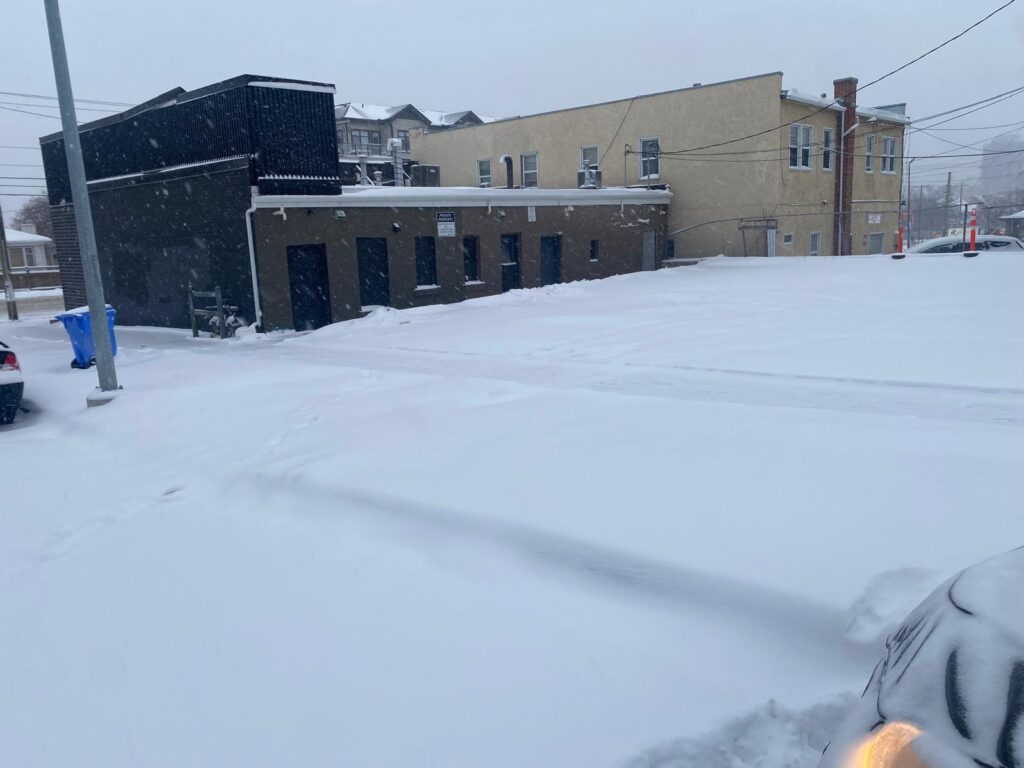
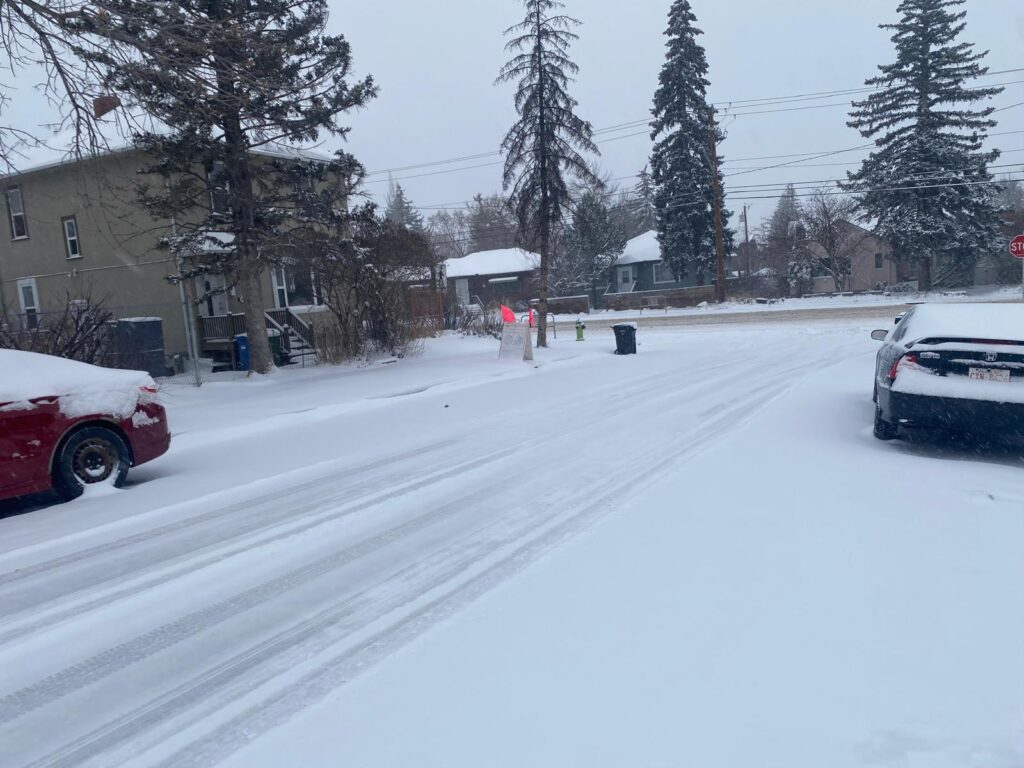
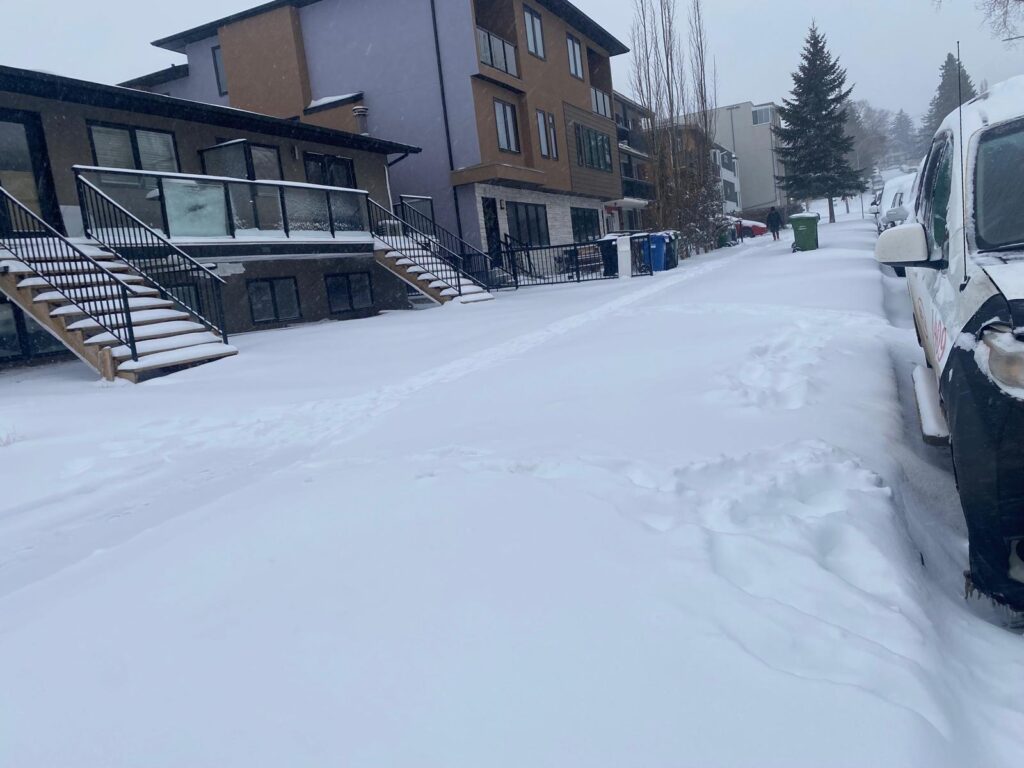
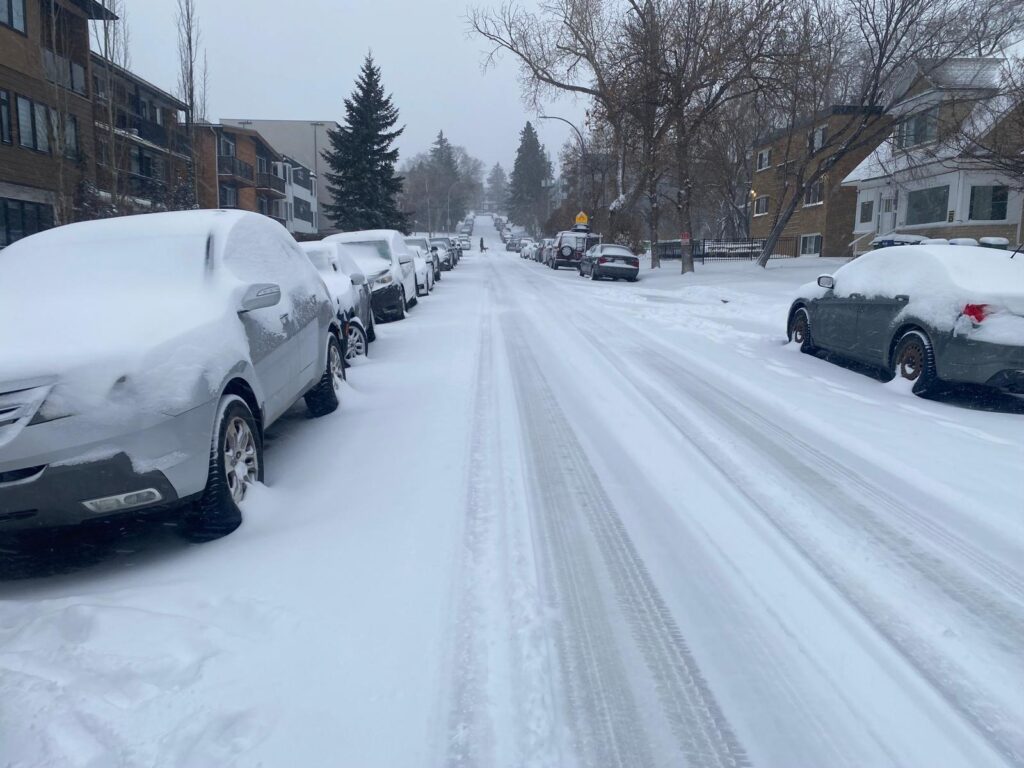
Early assessments indicate that snowfall totals ranged between 15 and 30 centimeters across large parts of southern Alberta. In Calgary, snowfall accumulation generally remained between 10 and 20 centimeters, although some areas experienced heavier deposits due to strong winds and drifting snow. These winds reduced visibility significantly, turning ordinary snowfall into near blizzard conditions, especially along highways and open landscapes.
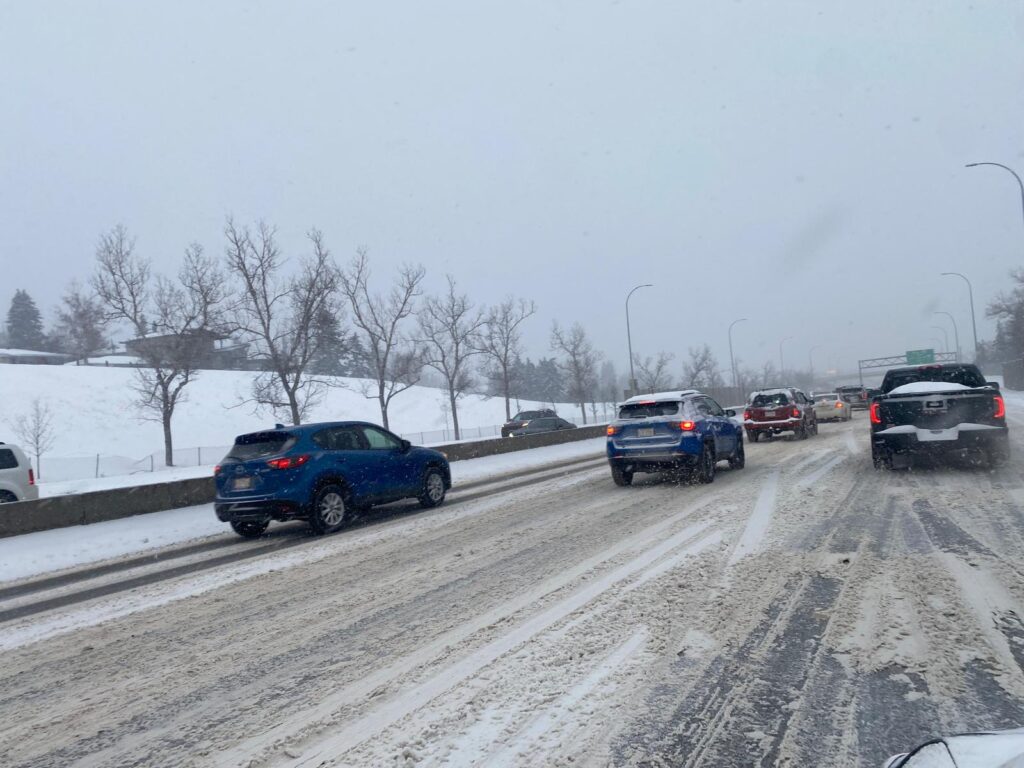
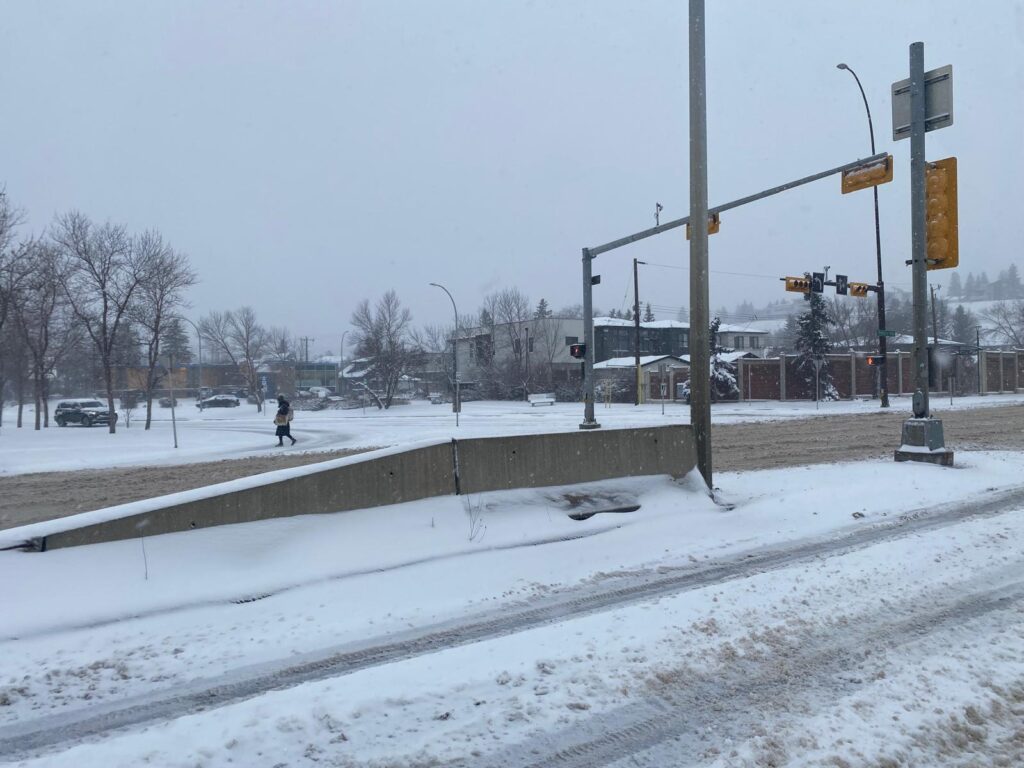
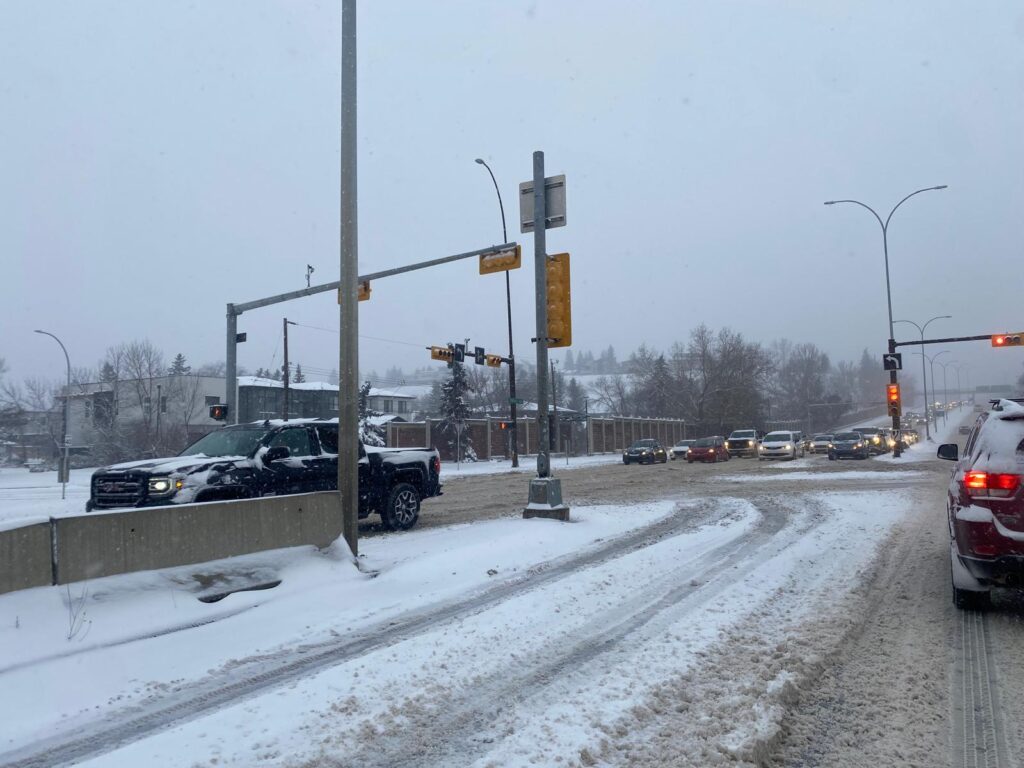
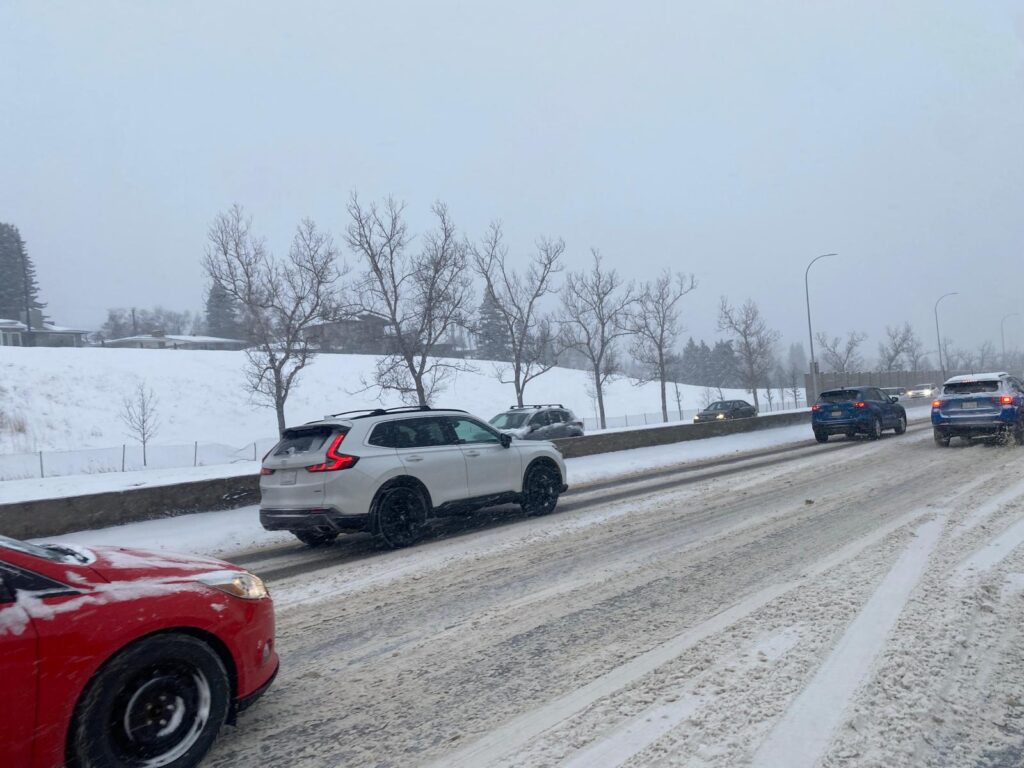
The storm disrupted daily life across multiple cities, affecting transportation, public services, and business operations. Road conditions quickly deteriorated as snow accumulated faster than clearing operations could respond. Major highways became hazardous, leading to slower traffic and increased risk of accidents. Air travel in Calgary and Edmonton also faced delays, highlighting the widespread impact of the storm across the region.
From a weather analysis perspective, this storm developed due to a collision between a lingering Arctic air mass and a moisture rich system moving northward. This combination created ideal conditions for heavy snowfall. The persistence of cold air in Alberta well into April allowed precipitation to fall as snow rather than rain. This atmospheric setup is not uncommon in western Canada, but the strength and timing of this event made it particularly notable.
April snowfall is not unusual in Alberta, but storms of this magnitude are relatively rare. Historically, the province has experienced late season snow events, but most are short lived and produce lower snowfall totals. Average snowfall for April in cities like Calgary is significantly lower than what was recorded during this single storm. When a single weather system produces two to three times the normal monthly snowfall, it becomes a significant climatic event.
Looking back over the past one hundred years, Alberta’s climate has shown a pattern of variability driven by its unique geographical position. The province lies at the intersection of Arctic, Pacific, and continental air systems, which creates unpredictable and rapidly changing weather conditions. This has resulted in occasional late season snowstorms throughout history, though events of this scale remain infrequent.
Investigative analysis suggests that recent years have seen increased weather variability, with winter conditions extending further into spring and sudden shifts between temperature extremes becoming more common. While one storm cannot define a long term trend, patterns like these indicate a broader shift in seasonal behavior. The boundaries between winter and spring are becoming less predictable, increasing the likelihood of unusual weather events.
The impact of such storms extends beyond immediate disruptions. Infrastructure systems must adapt to unexpected weather conditions, especially when seasonal transitions are assumed to have already occurred. Snow removal resources, which are often scaled down in spring, must be reactivated quickly. Drainage systems can also face challenges when snow melts rapidly, potentially leading to localized flooding.
Agriculture is another sector affected by late season snowstorms. Farmers preparing for spring planting must deal with delays and uncertain conditions. While snow can provide beneficial moisture, its timing can interfere with planting schedules and crop planning. This adds economic pressure and uncertainty for the agricultural community across Alberta.
In urban areas, residents experienced an abrupt return to winter like conditions after expecting milder spring weather. This sudden shift highlights the need for preparedness even during seasonal transitions. Vehicles, infrastructure, and public safety systems must remain adaptable to rapidly changing conditions.
In conclusion, the April 2026 snowstorm that swept across Alberta, including cities such as Calgary and Edmonton, stands out as a significant late season weather event. Its intensity, widespread impact, and timing make it one of the more notable spring storms in recent years. It serves as a reminder that Alberta’s climate remains highly dynamic, where seasonal expectations can be challenged by powerful and unexpected weather systems.

Post Disclaimer
The views and content presented in this article, news report, or video are solely those of the respective author or creator and do not necessarily reflect the official policy or position of BW Times Digital Online E-Paper.










Leave a comment