















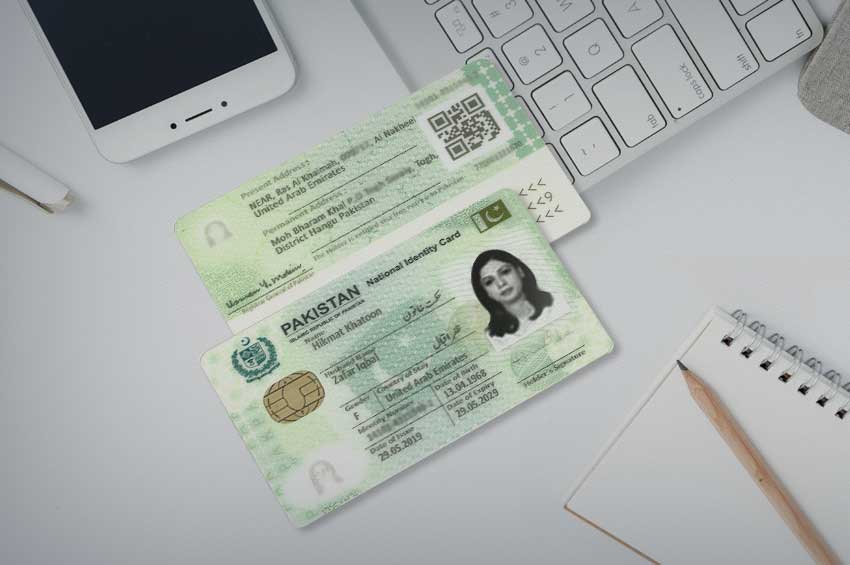
Pakistan has moved to tighten national identity controls while accelerating digital transformation, as National Database and Registration Authority steps up enforcement measures and rolls out a major upgrade to its Pak ID mobile application. The dual push reflects a broader government strategy aimed at strengthening documentation systems, curbing fraud, and modernizing public services in an increasingly digital environment where identity verification plays a critical role in governance, security, and economic activity.
At a high level meeting held at NADRA headquarters in Islamabad, Interior Minister Mohsin Naqvi directed authorities to intensify coordination with law enforcement agencies to identify and deport undocumented foreign nationals while also removing individuals who fraudulently obtained citizenship from official databases. Officials highlighted ongoing reforms, including the cancellation of millions of identity records belonging to deceased individuals and the introduction of a 30 day resolution window for identity related cases to ensure quicker processing and improved transparency.
As part of these reforms, authorities have also taken steps to block SIM cards registered under deceased individuals in collaboration with the Pakistan Telecommunication Authority, aiming to prevent misuse of inactive identities. The government has emphasized the need to modernize infrastructure and improve operational efficiency, with recommendations to shift future NADRA offices to government owned land rather than leased facilities as part of long term institutional planning.
The renewed focus on stricter identity oversight comes amid recent enforcement actions involving alleged fraud within the system. The Federal Investigation Agency arrested a NADRA official in Karachi accused of issuing fraudulent Computerized National Identity Cards to foreign nationals. Investigations revealed that Afghan individuals had obtained Pakistani documents illegally, leading to legal proceedings under the Foreigners Act of 1946 and the Prevention of Corruption Act of 1947. The case forms part of a wider crackdown linked to the Illegal Foreigners Repatriation Plan launched in 2023, under which more than 1.8 million Afghan nationals have returned to Afghanistan.
At the same time, NADRA is expanding its digital services to improve accessibility and efficiency for both citizens and foreign applicants. The upgraded Pak ID mobile application introduces enhanced biometric features, including facial verification technology across all visa categories, marking a significant step in strengthening identity assurance and reducing processing delays. The platform now allows applicants from 193 countries to apply for visas directly through the app, simplifying procedures by automatically extracting personal details from uploaded passport images and minimizing manual data entry.
These digital advancements build on the launch of Nishan Pakistan earlier this year, a unified system designed to standardize identity verification across the country’s digital economy. Officials say the combination of stricter enforcement and advanced biometric tools is intended to close loopholes, improve data integrity, and enhance public trust in Pakistan’s identity infrastructure.
As authorities continue to balance security concerns with service modernization, the evolving role of NADRA highlights how identity systems are becoming central to national policy, influencing everything from immigration control and law enforcement to digital services and international travel processes.
Courtesy: biometricupdate
Post Disclaimer
The views and content presented in this article, news report, or video are solely those of the respective author or creator and do not necessarily reflect the official policy or position of BW Times Digital Online E-Paper.











Leave a comment