







Over the past two decades, Khyber Pakhtunkhwa has endured numerous challenges—terrorism, instability, global pandemics, and devastating floods. Alongside these crises, however, another silent tragedy has continued to unfold: the decline of art and culture.
A formal cultural policy was developed, time and resources were invested, and expert consultations were held. Yet, unfortunately, after its approval, the policy never made it to practical implementation and was effectively shelved. The question arises: if this is the fate of policies, then who will support culture? The art and cultural sectors, along with practitioners of fine arts, continue to suffer.
Today, the Department of Art and Culture has effectively become a “temple bell”—something that anyone comes, strikes, and leaves. There is neither continuity in leadership nor stability in policy, nor any clear direction.
Looking back, during the tenure of Syed Aqil Shah under the Awami National Party, significant efforts were made to organize this sector, and the Directorate of Culture was established. Later, during the tenure of Azam Khan, it was further expanded and merged with tourism to form the Culture and Tourism Authority of Khyber Pakhtunkhwa. However, it could not be advanced on professional grounds.
Perhaps this is the only region where such a sensitive field as art and culture is repeatedly handed over to irrelevant individuals. At times, an officer from the education sector is appointed; at others, someone from the police or another department is assigned leadership. As a result, every new officer begins by meeting the artistic community—poets, writers, singers, and drama artists—listening to their issues and creating a wave of hope. But just as they begin to understand the system, they are transferred, and the entire process resets to zero.
In contrast, provinces like Sindh, Punjab, and Balochistan appoint professionals in their arts councils and cultural institutions. They consult experts, maintain continuity in policies, and produce positive outcomes.
Recently, however, there was a glimpse of hope. With the appointment of Director General Usman Mehsud, a renewed seriousness was observed within the Culture and Tourism Authority. He demonstrated strong interest in revitalizing the sector and made several commendable decisions by placing competent and professional individuals—those who truly understood the field—on key positions.
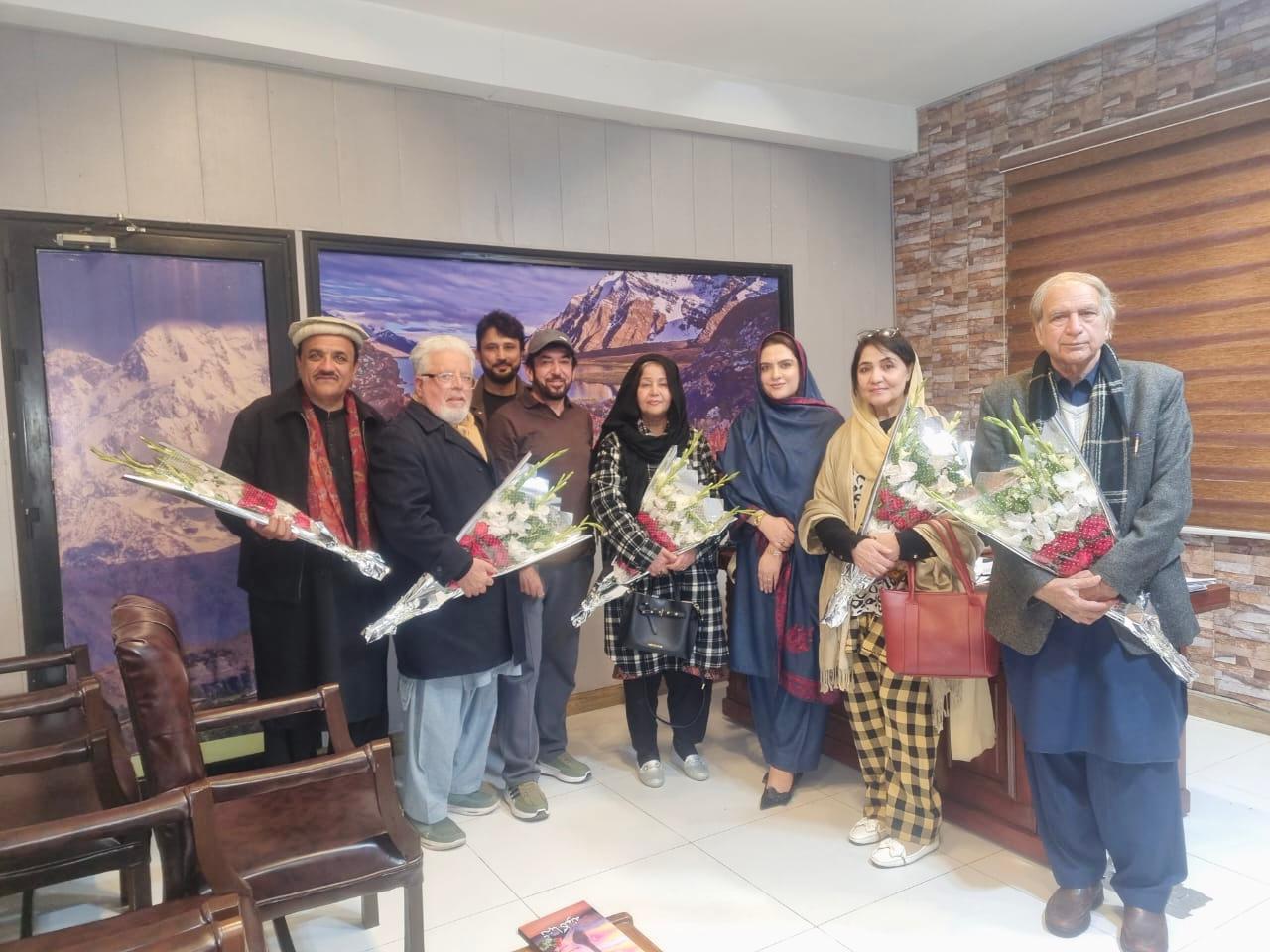
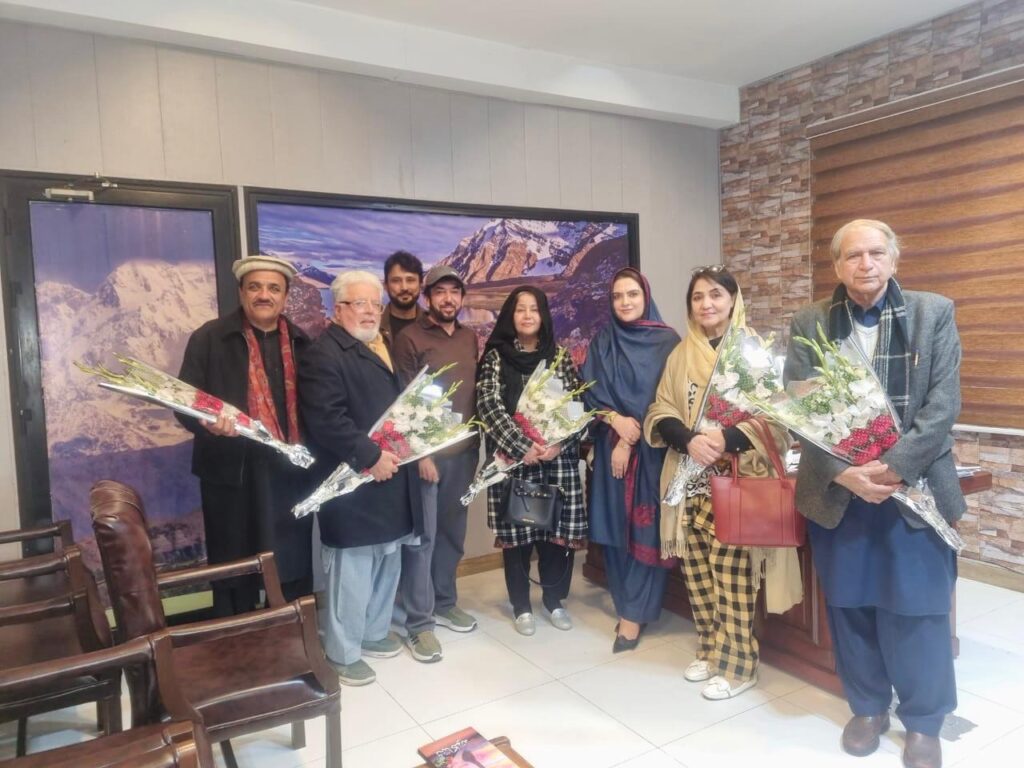
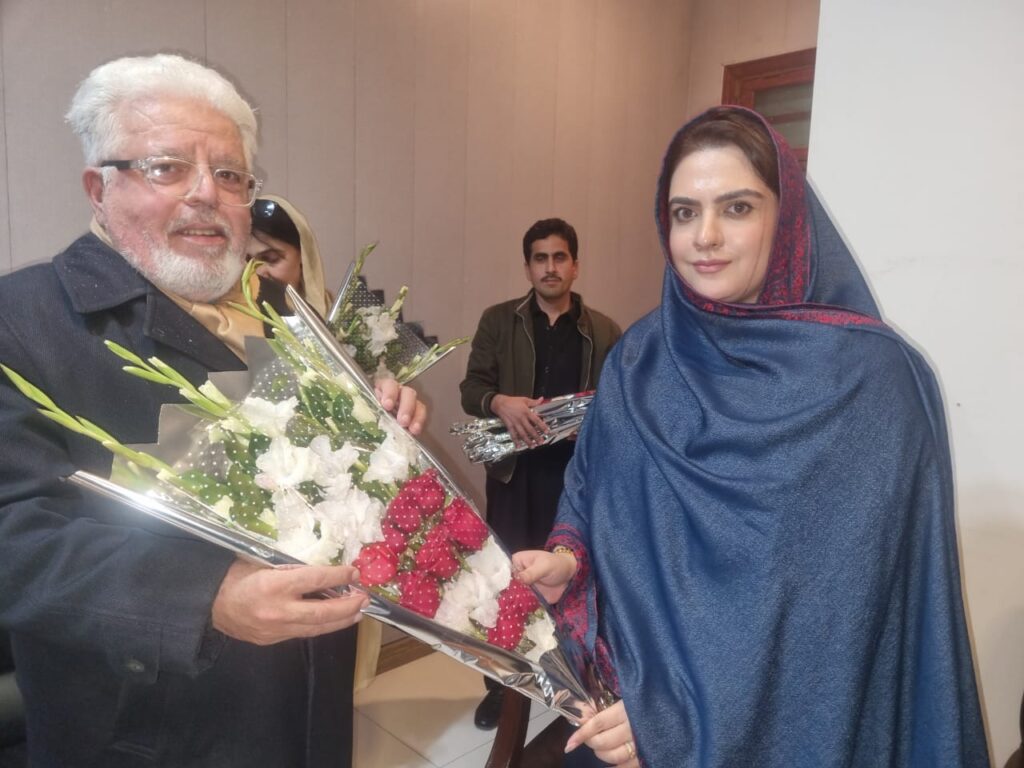
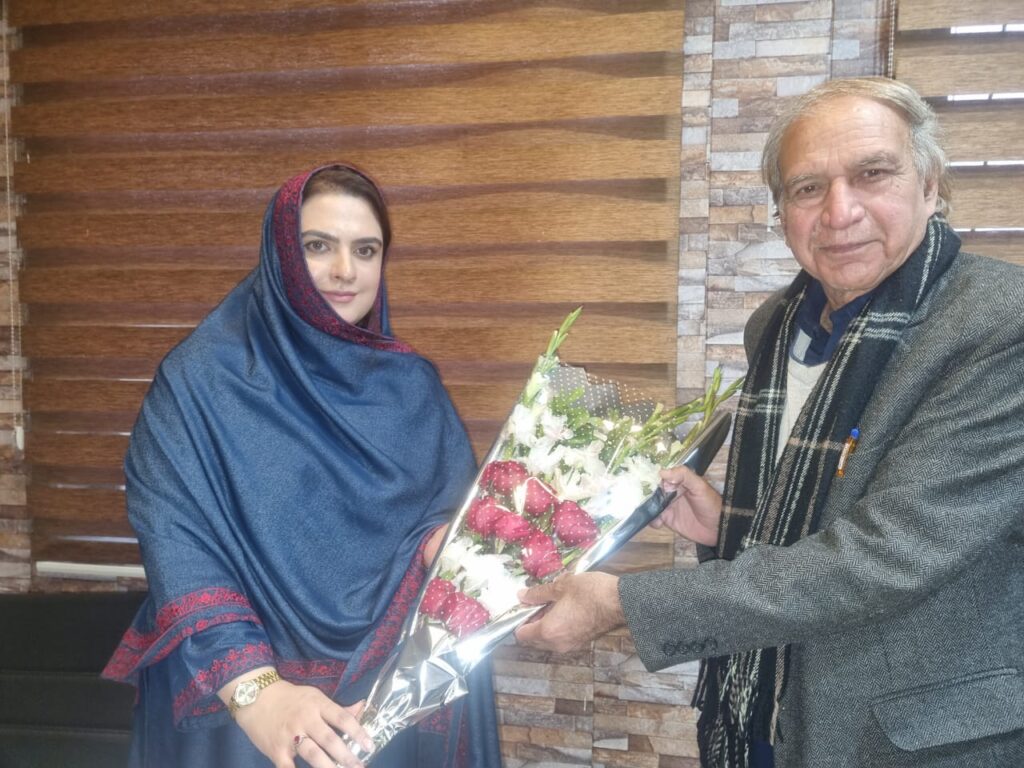
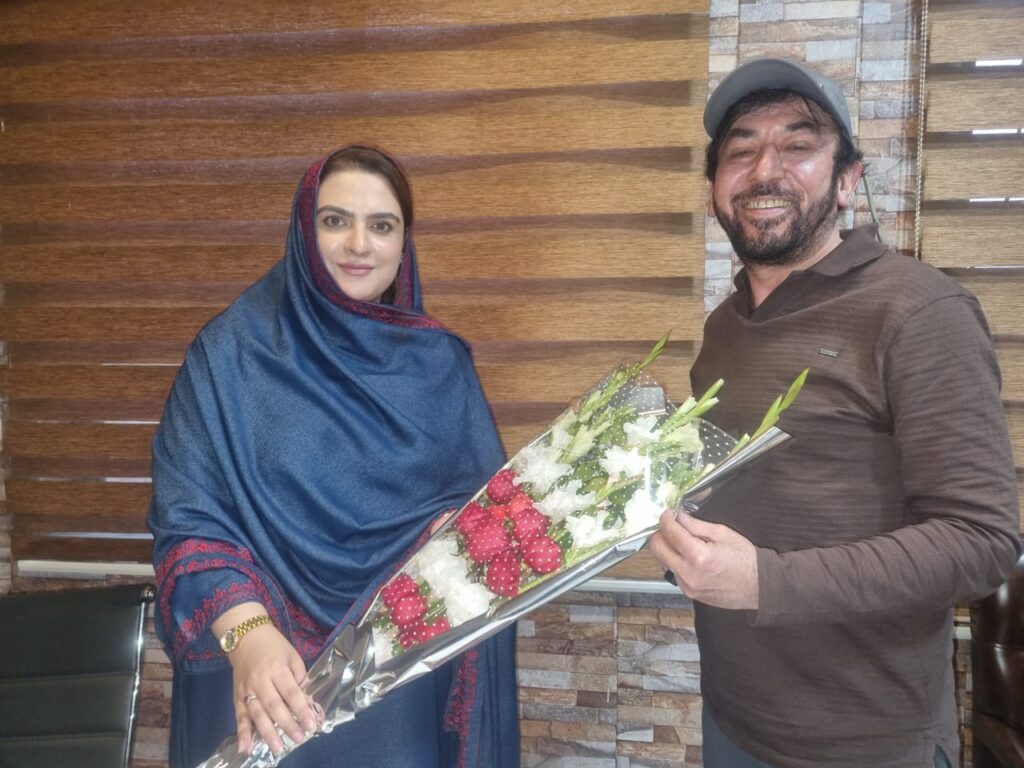
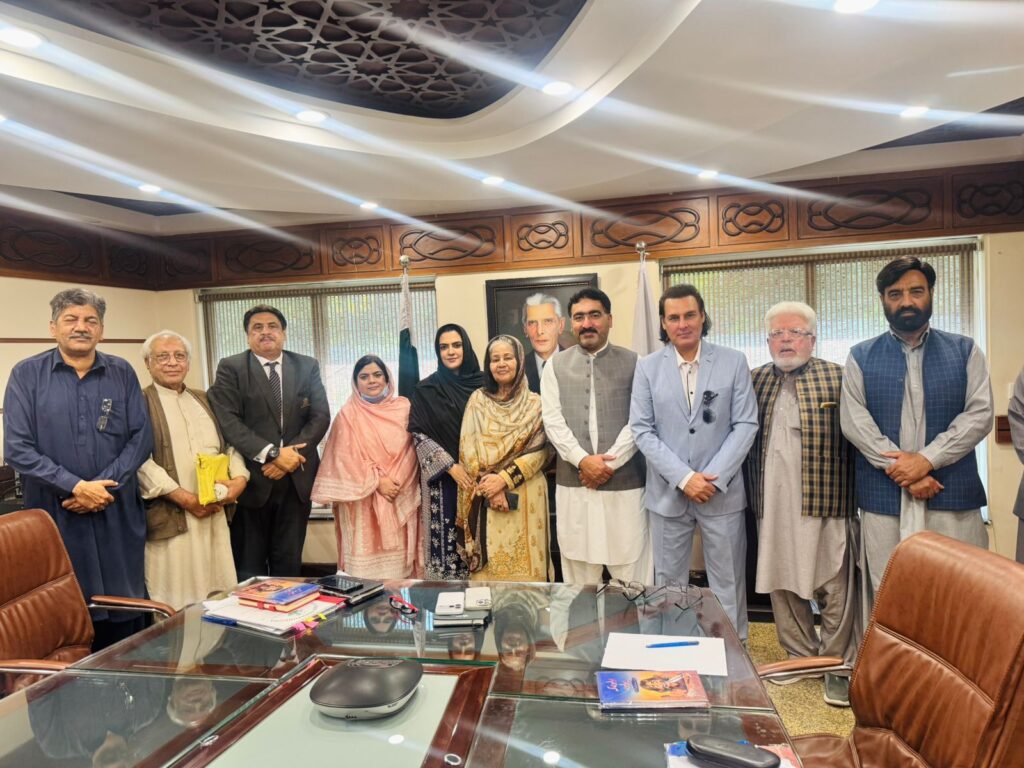
A particularly noteworthy contribution came from Haseena Shaukat, whose appointment as Deputy Director Culture proved to be a turning point. With her arrival, the long-overdue process of cultural mapping was initiated, including the documentation and mapping of cultural organizations across the province. She actively brought professionals into the system, initiated regular meetings, and worked tirelessly—day and night—to engage with artists, writers, and cultural stakeholders.
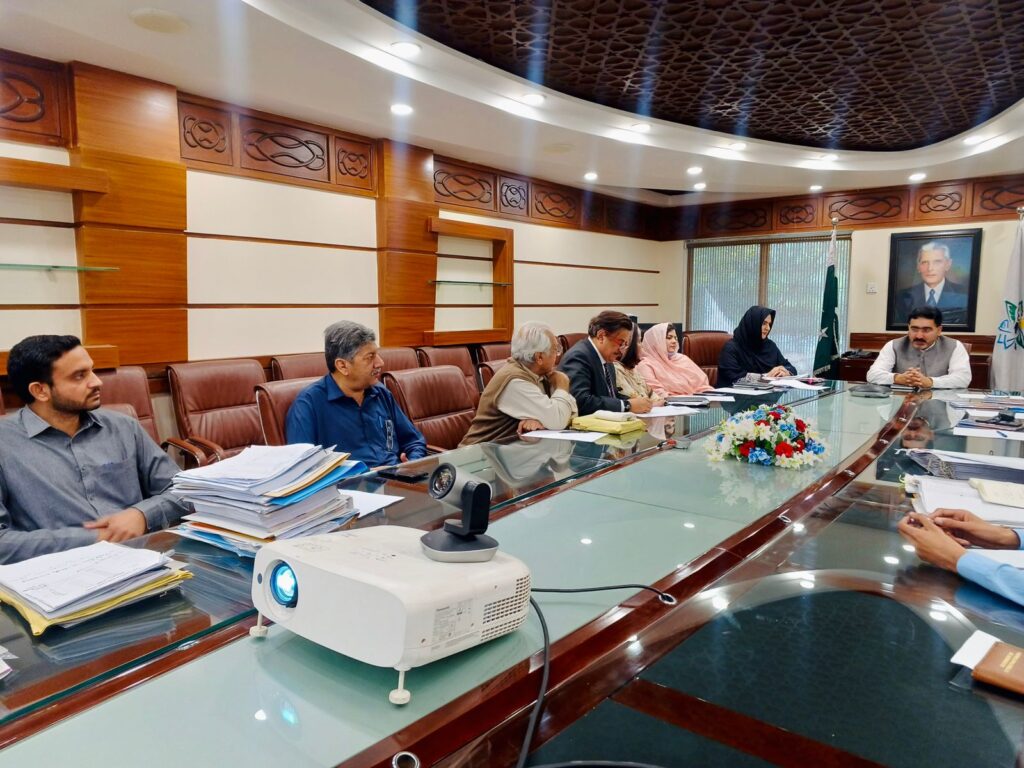
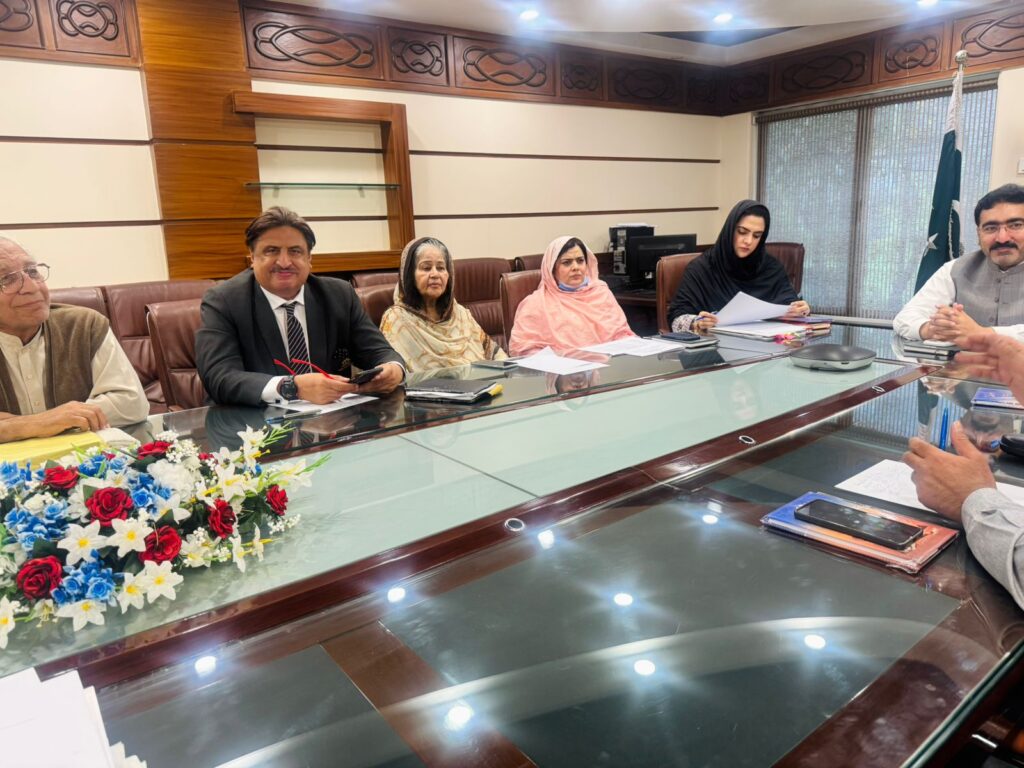
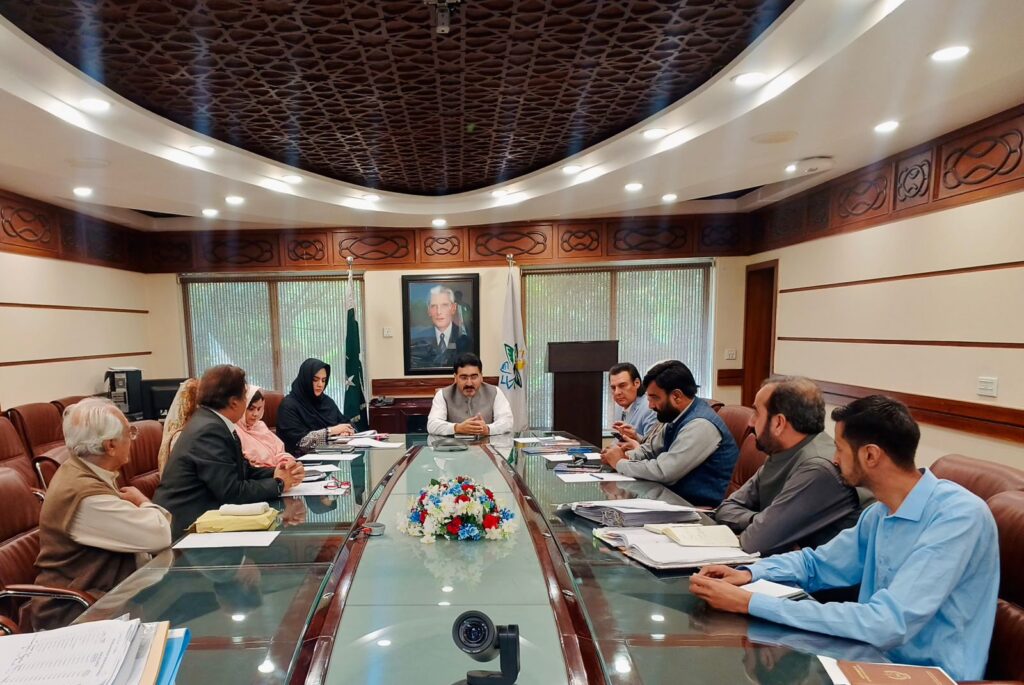
She held extensive consultations with professionals, incorporated their input into policy thinking, and ensured their representation in key forums. Notably, she included qualified professionals in the Civil Awards Committee, ensuring that decisions were made on merit rather than influence. Much of the recent positive momentum and structural improvement within the department can be directly credited to her dedication, clarity of vision, and hands-on approach.
However, her transfer has once again unsettled the artistic community. There is growing concern that the progress achieved during her tenure may not only slow down but potentially reverse. Given the fragile state of the cultural sector—one that has suffered years of neglect and decline—continuity is not a luxury but a necessity. Her presence in that role was crucial, and if the provincial government is genuinely committed to the revival and improvement of culture, then retaining capable and proven professionals like her in key positions should be a priority.
The core issue remains the absence of a system ensuring professional continuity within the institution. Each incoming officer starts anew, and each departing one leaves behind unfinished projects.
A serious solution would require the provincial government to appoint five to seven credible professionals—singers, poets, writers, and drama artists—on a contractual basis. They should be given a monthly honorarium and a permanent office at a central venue like Nishtar Hall. Under a structured two-year contract, these professionals could ensure continuity, guide incoming officers, and preserve institutional memory despite administrative changes.
The reality today is that art and culture in Khyber Pakhtunkhwa are on the verge of collapse. Artists, singers, poets, and writers are facing severe challenges, and their future appears increasingly uncertain. The root causes of this decline are flawed policies, lack of continuity, and the appointment of individuals with no connection to the field. Particularly in recent years, under the government of Pakistan Tehreek-e-Insaf, the condition of those associated with fine arts in the province has further deteriorated.
If serious and consistent measures are not taken now, the day is not far when the culture of Khyber Pakhtunkhwa will exist only in memories—and this “temple bell” will continue to ring, without any real impact.
Post Disclaimer
The views and content presented in this article, news report, or video are solely those of the respective author or creator and do not necessarily reflect the official policy or position of BW Times Digital Online E-Paper.









Leave a comment