


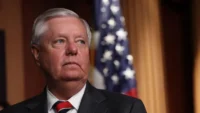











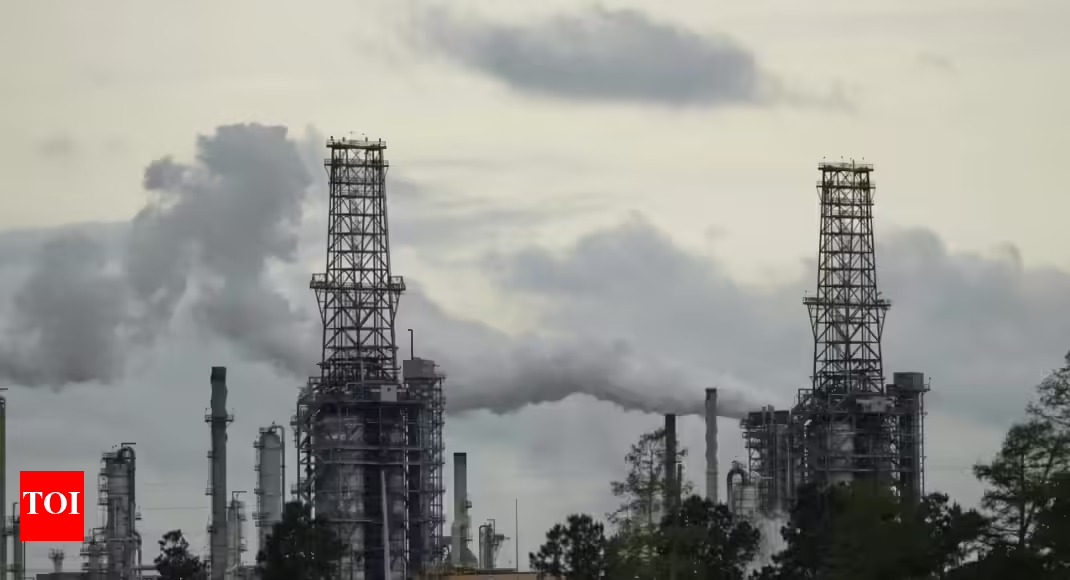
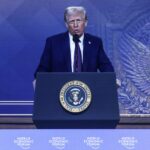
The political and military situation in the Gulf region has become one of the most important factors affecting global energy markets. Tensions involving Iran, the United States, and Israel have placed the oil-rich Gulf states at the center of international attention. Former U.S. President Donald Trump has historically focused on strong partnerships with Gulf allies, and his broader strategy revolves around protecting energy supplies, strengthening regional allies, and limiting Iran’s influence.
Strengthening Alliances in the Gulf
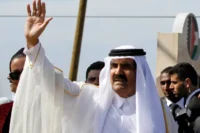
Trump’s approach emphasizes close cooperation with major Gulf producers such as Saudi Arabia, United Arab Emirates, Qatar, and Kuwait. These countries hold some of the largest oil and natural gas reserves in the world and play a central role in maintaining global energy supply.
The plan focuses on expanding security cooperation, defense partnerships, and economic ties with these states. By strengthening these alliances, Washington aims to ensure that energy production and exports continue even during periods of regional tension.
Protecting Energy Shipping Routes
One of the most critical areas for global oil transport is the Strait of Hormuz, a narrow waterway through which a large portion of the world’s oil and liquefied natural gas passes every day. Any disruption in this route can immediately affect global energy prices.
A major part of the strategy is ensuring that oil tankers and LNG shipments can move safely through the Gulf. Increased naval presence and cooperation with regional allies are considered essential to keep shipping lanes open.
Limiting Iran’s Energy Influence
Another important objective of this strategy is placing economic and political pressure on Iran. The policy aims to restrict Iran’s ability to expand its oil exports and regional influence. By doing so, the United States encourages other Gulf producers to take a stronger role in supplying global markets.
This approach also attempts to reshape the balance of power in the regional energy market, giving more influence to countries that are closely aligned with Washington.
Encouraging Higher Production from Gulf Producers
If tensions in the region reduce global supply, the United States typically urges Gulf partners to increase oil production. Countries such as Saudi Arabia and the United Arab Emirates have spare production capacity that can help stabilize the market during crises.
Higher output from these producers can prevent severe shortages and help avoid sudden spikes in global energy prices.
Impact on Global Oil Prices
Oil markets react quickly to geopolitical risks in the Gulf region. When tensions rise or shipping routes appear threatened, traders expect possible supply disruptions. This expectation often pushes oil prices higher even before actual shortages occur.
If conflict expands or shipping becomes unsafe, prices could rise sharply and possibly reach three-digit levels per barrel. On the other hand, if Gulf producers maintain stable output and transport routes remain open, the market could calm and prices may stabilize.
Global Economic Effects
The outcome of this strategy will influence many major economies. Energy-importing nations such as China and India depend heavily on Gulf oil and LNG supplies. Any disruption could raise transportation costs, increase inflation, and slow economic growth.
At the same time, major exporters like Russia could benefit from higher prices if global supply tightens.
Conclusion
The overall strategy focuses on protecting energy supply routes, strengthening alliances with Gulf producers, and limiting the influence of regional rivals. The success or failure of this approach will play a major role in determining whether global oil prices remain stable or rise significantly in the coming months.
Post Disclaimer
The views and content presented in this article, news report, or video are solely those of the respective author or creator and do not necessarily reflect the official policy or position of BW Times Digital Online E-Paper.








Leave a comment