















President Donald Trump may believe that decisive military actions have reinforced America’s image of strength during his time in office. Previous operations—including the 2020 killing of Iranian General Qasem Soleimani, reported strikes on Iranian nuclear infrastructure in 2025, and the high-profile capture of Venezuelan leader Nicolás Maduro—were swift and limited in scope. However, a broader military confrontation with Iran would be far more complex, prolonged, and potentially destabilizing.
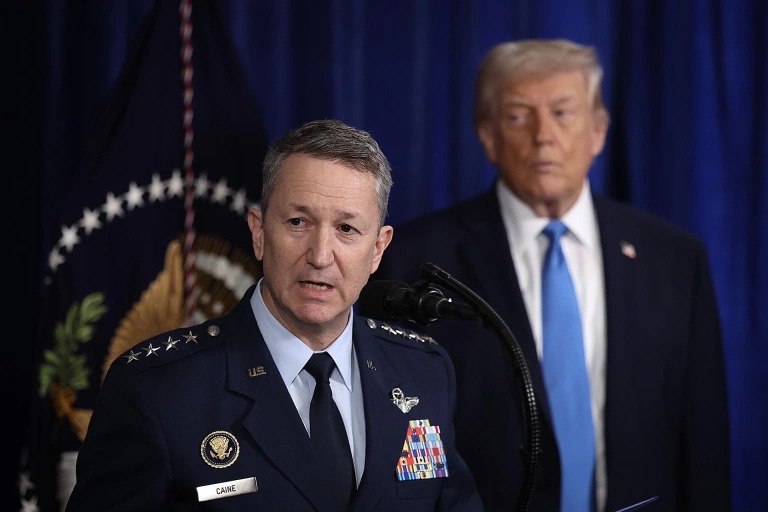
Unlike targeted, short-duration missions, a sustained campaign against Tehran would expose the United States to significant strategic and economic risks. Military leadership has reportedly expressed concerns about escalation, force readiness, and regional consequences. While public statements may deny internal disagreement, senior defense officials are legally obligated to assess and communicate operational risks before engaging in large-scale conflict.
One of the central dangers lies in Iran’s missile capabilities. Although its long-range systems were reportedly degraded during the June conflict sometimes referred to as the Twelve Day War, Tehran continues to rebuild. Iran retains substantial inventories of short-range ballistic and anti-ship missiles. These weapons could target American military bases across the Gulf and critical energy infrastructure belonging to U.S. partners such as Saudi Arabia and United Arab Emirates.
A more alarming scenario involves the possible disruption of the Strait of Hormuz, a maritime corridor through which roughly one-fifth of the world’s oil supply passes. Even a temporary closure could send global energy prices soaring, destabilizing markets worldwide. During prior hostilities, Iran limited its retaliation, launching only symbolic strikes against U.S. assets. But if Iranian leadership perceives an existential threat to the regime, its response could escalate dramatically.
There are also concerns about strain on American military resources. Modern warfare relies heavily on precision-guided munitions and advanced air-defense interceptors—supplies that are not unlimited. A drawn-out air campaign could rapidly deplete U.S. stockpiles, potentially weakening preparedness for other global contingencies involving powers such as China or Russia. Defense manufacturing capacity has struggled to keep pace with rising global tensions, making replenishment slower than strategic planners might prefer.
Recent operations against Houthi forces in Yemen offer a cautionary example. That campaign reportedly cost billions of dollars within months and consumed thousands of munitions, while producing only limited strategic gains. Any renewed conflict tied to Iran could reopen multiple fronts, including attacks by proxy groups targeting U.S. or allied interests.
Extended deployments also carry human and mechanical costs. Naval assets redeployed to the Middle East, including carrier strike groups, face prolonged missions that stretch beyond traditional timelines. Extended sea deployments place immense pressure on sailors and equipment, increasing fatigue, maintenance demands, and operational risk.
Diplomatic isolation is another variable. Outside of Israel, few regional allies appear eager to support renewed large-scale U.S. military action against Iran. Without broad coalition backing, Washington would bear the financial, political, and operational burdens largely alone.
The central question is not whether the United States can strike Iranian targets—it undoubtedly can. The deeper issue is whether such strikes would produce meaningful political concessions from Tehran or instead trigger a prolonged cycle of retaliation. Wars that begin with limited objectives can quickly expand beyond initial expectations, especially in volatile regions with overlapping rivalries and proxy networks.
As tensions rise, policymakers face a difficult calculation: balancing deterrence and strength against the risks of escalation, economic disruption, and strategic overextension. Any decision to initiate sustained military action must weigh not only immediate tactical success but also long-term consequences, alliance cohesion, and America’s broader global commitments.
Post Disclaimer
The views and content presented in this article, news report, or video are solely those of the respective author or creator and do not necessarily reflect the official policy or position of BW Times Digital Online E-Paper.











Leave a comment