















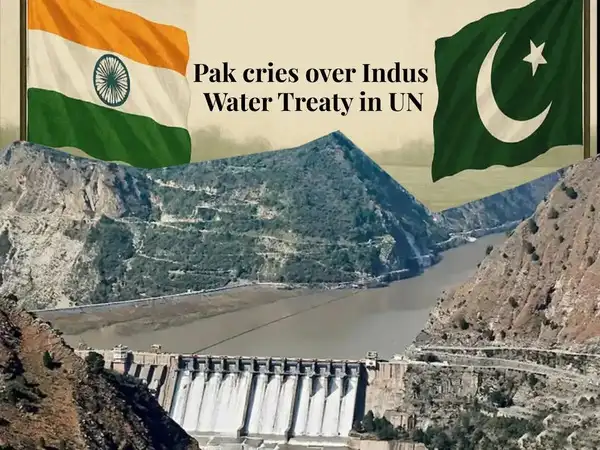
Pakistan has taken its concerns over the suspension of the Indus Waters Treaty to the global stage, formally approaching the United Nations Security Council and urging intervention in the escalating dispute with India.
The decades-old Indus Waters Treaty, widely regarded as a cornerstone of water cooperation between the two countries, was suspended by India following a deadly attack in 2025. The move marked the first time since the treaty’s signing that it has been paused.
Pakistan Seeks International Support
Pakistan’s дипломатिक outreach intensified as its UN envoy Asim Iftikhar Ahmad met with the Security Council president Jamal Fares Alrowaie, delivering a formal letter from Deputy Prime Minister and Foreign Minister Ishaq Dar.
In its communication, Pakistan called on the council to take note of the situation and press India to restore the treaty’s implementation, resume cooperation, and continue sharing critical water data. Officials emphasized the need for adherence to international obligations and warned against using water as a coercive tool.
Lifeline for Pakistan
The treaty governs the distribution of water from key rivers, including the Indus River, Jhelum River, and Chenab River, which are vital to Pakistan’s agriculture and water supply.
For decades, the agreement has endured through wars and political crises, making its suspension particularly significant. Analysts say the current situation raises concerns not only about diplomatic relations but also about water security, especially as summer temperatures rise.
India’s Position
India suspended the treaty in April 2025 following a deadly attack in Pahalgam that killed 26 people. The attack was reportedly claimed by The Resistance Front, which India links to Pakistan-based networks.
New Delhi defended its decision by citing national security concerns, stating that continued cooperation under such circumstances was not feasible. Indian officials have framed the move as part of a broader response to cross-border terrorism.
A Growing Diplomatic Flashpoint
Pakistan’s decision to bring the matter before the UN reflects its effort to internationalize what has traditionally been a bilateral issue. The move signals rising tensions between the two nuclear-armed neighbours and introduces uncertainty around one of the world’s most enduring water-sharing agreements.
While no immediate resolution is in sight, the dispute is expected to remain a key issue in regional diplomacy, with significant implications for water management, security, and stability in South Asia.
Courtesy: economictimes
Post Disclaimer
The views and content presented in this article, news report, or video are solely those of the respective author or creator and do not necessarily reflect the official policy or position of BW Times Digital Online E-Paper.










Leave a comment