





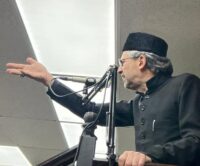


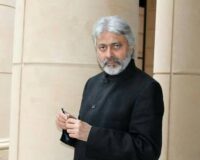


Iran’s football chief Mehdi Taj has claimed that he was ultimately cleared to enter Canada but chose to return voluntarily after being questioned for several hours at an airport, in an incident that underscores growing tensions around international travel, politics, and sport ahead of the FIFA World Cup. Taj, who heads the Iran Football Federation, said members of his delegation were held for approximately three hours upon arrival in Toronto, where Canadian immigration officials questioned him about alleged links to the Islamic Revolutionary Guard Corps, an entity that Canada has designated as inadmissible under its laws. Despite holding valid visas and reportedly being informed later that they could proceed, Taj said the delegation opted to turn back, describing the experience as unnecessary and frustrating.
The episode comes as Canada prepares to host key events connected to global football, including the upcoming FIFA Congress and matches for the expanded World Cup tournament, which it will co-host alongside the United States and Mexico. Canadian authorities have maintained strict policies regarding individuals linked to the Islamic Revolutionary Guard Corps, reflecting broader geopolitical tensions that have increasingly intersected with international sporting events. Taj’s remarks suggest that while legal clearance may have been granted in his case, the scrutiny itself contributed to the delegation’s decision to abandon their visit, raising questions about how political considerations may affect participation in global competitions.
Taj further revealed that Gianni Infantino, president of FIFA, had offered to arrange alternative travel for the Iranian delegation after they returned to Turkey, an offer that was declined. He also expressed frustration with what he described as external political pressure influencing football governance, particularly regarding Iran’s participation in World Cup matches scheduled to take place in the United States despite ongoing geopolitical hostilities. FIFA has so far maintained that Iran will compete as scheduled, rejecting requests to relocate matches, while emphasizing that sporting events should remain separate from political disputes.
The incident highlights the complex intersection of international law, diplomacy, and sport, as countries hosting major global events balance security concerns with commitments to inclusivity and fair participation. With the World Cup approaching, officials and teams alike are navigating an increasingly sensitive environment where travel restrictions, political affiliations, and security protocols can directly impact preparations. Taj indicated that further discussions with FIFA officials would be necessary to ensure that Iran’s participation proceeds without additional complications, as uncertainty continues to surround how geopolitical tensions may influence one of the world’s biggest sporting events.
Courtesy: reuters
Post Disclaimer
The views and content presented in this article, news report, or video are solely those of the respective author or creator and do not necessarily reflect the official policy or position of BW Times Digital Online E-Paper.








Leave a comment