










An Indigenous entrepreneur in northern Alberta says years of economic setbacks, lost contracts and growing challenges in his community briefly led him to consider the Alberta independence movement, but he now believes separation from Canada would not address the problems facing Indigenous people.
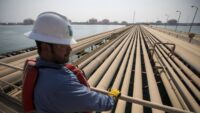
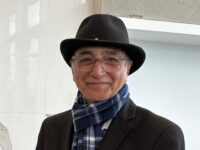
Mike Deranger, a Dene and Blackfoot entrepreneur and member of the Athabasca Chipewyan First Nation, built his business in Fort McMurray after leaving his job with Syncrude in 2002. He says his company, Derantech, expanded rapidly after securing work with Suncor and eventually employed about 50 tradespeople.
The business also developed training opportunities for Indigenous youth and held conferences in Edmonton to showcase young Indigenous workers. Deranger says his company was later recognized by the Alberta government for its role in employing Indigenous apprentices.
He remembers the period as one when partnerships among Indigenous communities, industry and governments created opportunities for Indigenous businesses across Alberta.
But that progress was followed by a series of major setbacks.
In 2015, Deranger says his company’s primary client cancelled its contracts. The following year, the Fort McMurray wildfire destroyed his home, office, vehicles and equipment. Members of his extended family also lost their homes in the disaster.
Over the years that followed, Deranger says some contracts returned at significantly smaller levels before being cancelled again. The repeated losses forced him to reduce his workforce.
He says he sought help from local elected representatives but did not receive the response he wanted. In 2025, he organized a hunger strike and protest near Highway 63 to draw attention to what he described as unfair procurement practices affecting Indigenous businesses and workers.
Deranger says the protest attracted support from people in the region who shared similar experiences involving lost contracts and employment.
Despite those efforts, he says his financial situation has continued to deteriorate and he now faces the possibility of losing his home.
His concerns also extend beyond his business. Deranger points to serious challenges facing First Nations communities in the Wood Buffalo region, including substance use, suicide and cancer.
It was against that backdrop that he began paying closer attention to the Alberta separatist movement.
Deranger attended several events organized by the Alberta Prosperity Project. Initially, he says the movement’s references to treaties and Indigenous participation gave him hope that separatists and Indigenous communities could work together to push for economic and political change.
He believed Indigenous people could bring important knowledge to the discussion because of their longstanding efforts to secure recognition and implementation of treaty rights.
That initial sense of connection did not last.
Deranger says he became increasingly uncomfortable with comments he encountered from some supporters of the movement, particularly after Indigenous leaders publicly expressed opposition to Alberta separation. He describes seeing social media comments attacking treaties and Indigenous communities, along with material he regarded as openly hostile toward Indigenous people.
He also points to a banner displayed along an Alberta highway that accused Indigenous people of having contributed nothing to the province and questioned their role in discussions about Alberta’s future.
The Blackfoot Confederacy separately warned its members about politically motivated harassment, according to the account.
For Deranger, those developments changed his view of the independence movement. He says the possibility of cooperation he initially saw had been replaced by division.
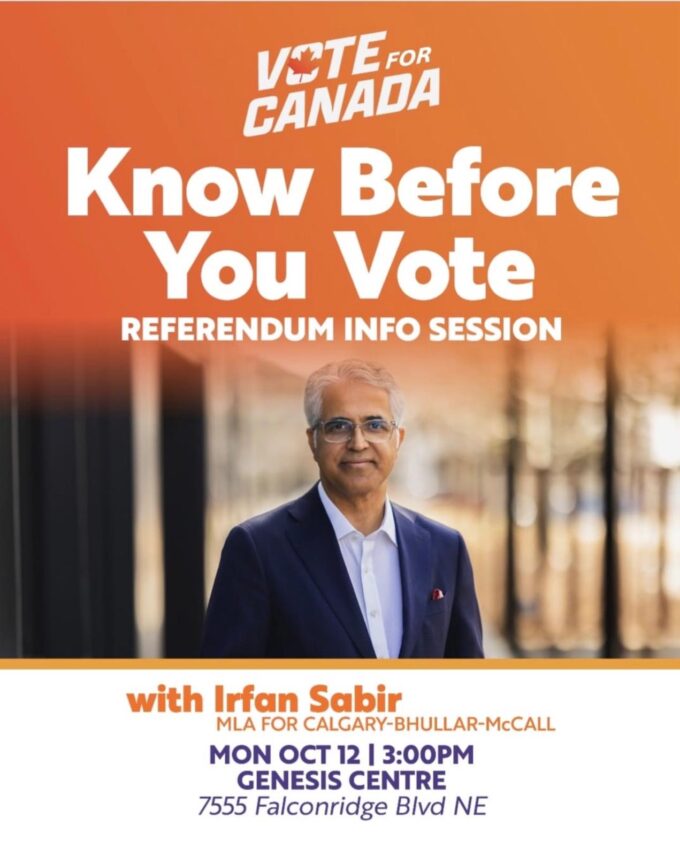
Alberta is scheduled to hold its provincial referendum on October 19, 2026. Elections Alberta says voters will be asked in Question 10 to choose between Alberta remaining a province of Canada and the Alberta government beginning the constitutional process required to hold a future binding referendum on separation. The result of that question is not binding.
The referendum is separate from a citizen initiative seeking a referendum specifically on Alberta independence. Elections Alberta says that initiative was proposed by Mitch Sylvestre, with the proposed question asking whether Alberta should cease to be part of Canada and become an independent state. The petition entered the verification process after a court related process earlier this year.
Deranger’s concerns also involve the relationship between Alberta’s government and First Nations.
He says Indigenous communities in the region are dealing with significant social and economic pressures while decisions affecting land, water and resource development continue to generate concern.
For his family, the issue is deeply personal. Deranger says his relatives have lived in the Wood Buffalo region for generations. His grandfather hunted and trapped in the area, while his grandmother raised her children around Lake Athabasca and Fort McMurray.
He says he entered the oil and gas industry as a teenager and later created his company in the hope of opening doors for Indigenous workers and young people.
Now, he says, decades of work appear increasingly difficult to sustain.
Deranger argues that economic reconciliation must mean more than statements or temporary opportunities. In his view, Indigenous businesses need stable access to contracts and meaningful participation in the economic decisions that affect their communities.
His experience has left him convinced that Alberta needs change, but that change should come through cooperation rather than separation.
For a short period, the independence movement appeared to offer him a possible path toward that change. But his experiences with some supporters ultimately led him in the opposite direction.
His conclusion is that Alberta’s challenges are real, particularly for Indigenous communities facing economic and social pressures, but he believes the answer lies in finding ways to work together rather than creating another political divide.
Courtesy: CBC
Post Disclaimer
The views and content presented in this article, news report, or video are solely those of the respective author or creator and do not necessarily reflect the official policy or position of BW Times Digital Online E-Paper.







Leave a comment