















City of Calgary Confirms Open-Cut Construction for Stage B of Bearspaw South Feeder Main Project
CALGARY — The City of Calgary has confirmed the construction method for Stage B of the Bearspaw South Feeder Main Improvements Project, marking a key milestone in the replacement of one of the city’s most critical water infrastructure systems.
Stage B of the project, which runs from 73 Street N.W. to 87 Street N.W., will be built using an open-cut construction method, a decision city officials say will significantly reduce construction time and improve overall efficiency.
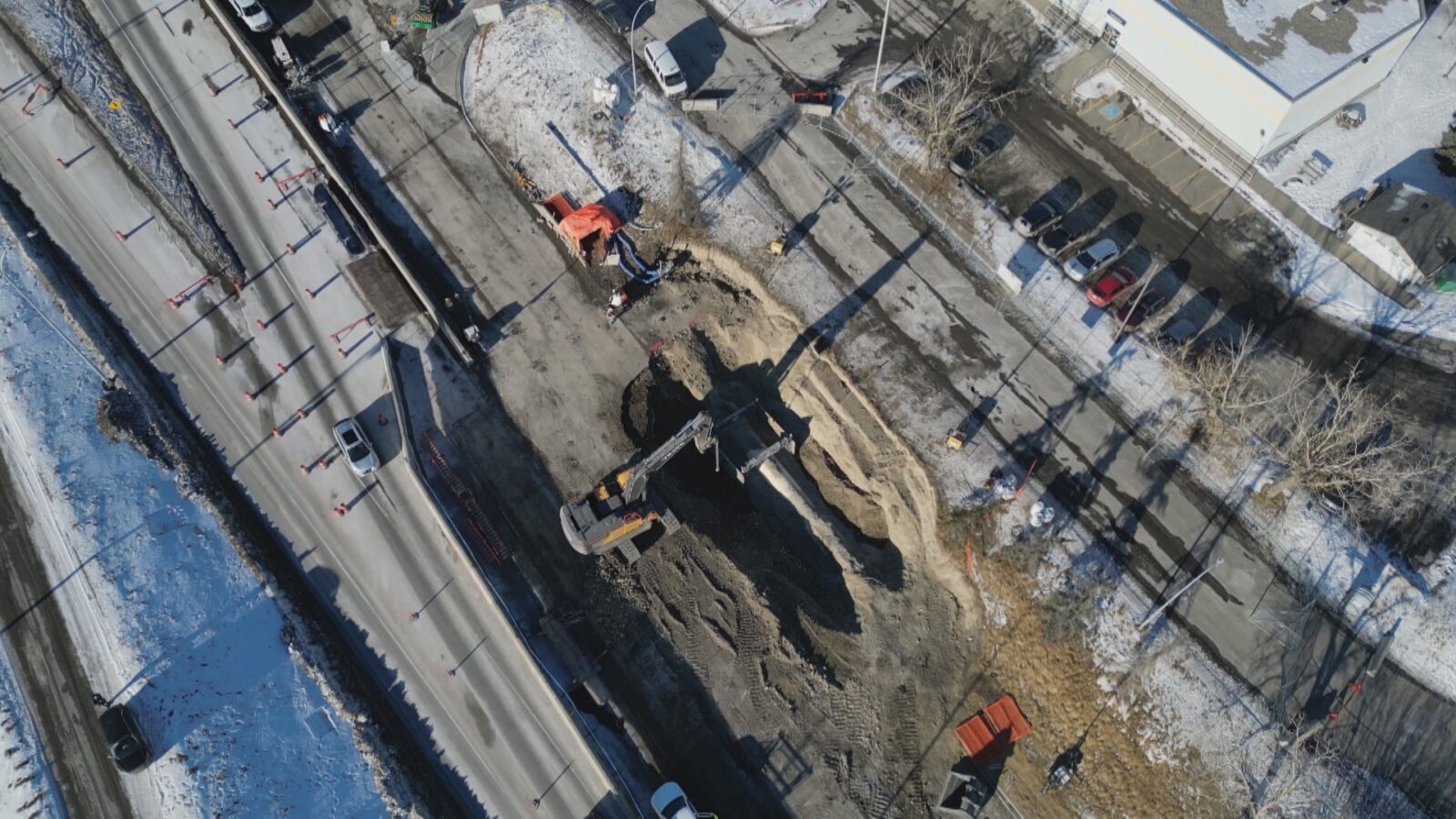
Open-cut construction involves excavating a trench along the road right-of-way, installing the new feeder main directly into the trench, and then backfilling and restoring the surface once work is complete.
The replacement feeder main will be installed along 34 Avenue N.W., while the existing feeder main is currently located along 33 Avenue N.W.
Construction on Stage B is expected to begin in May 2026 and is anticipated to take approximately five months, with pipe installation scheduled to be completed by October 2026.
City officials say work will be completed in large, sequential sections along the corridor, with one or two segments under construction at a time. As each section is finished, roadways will be reopened before crews move to the next area, helping limit prolonged disruption in any single location.
The City acknowledged that open-cut construction will bring notable impacts to nearby residents, including traffic delays, increased noise, dust, street parking restrictions, and changes to local access. Officials said planning is ongoing, and teams are still assessing the full scope of impacts.
Over the coming months, the City said it will engage closely with affected communities to provide detailed construction timelines, address individual resident concerns, and implement mitigation measures where possible.
City officials emphasized that replacing the Bearspaw South Feeder Main is essential to protecting Calgary’s drinking water supply, noting that maintaining and upgrading the aging infrastructure is critical to long-term system reliability.
Post Disclaimer
The views and content presented in this article, news report, or video are solely those of the respective author or creator and do not necessarily reflect the official policy or position of BW Times Digital Online E-Paper.









Leave a comment