
















Every year on July 1, a sea of red and white stretches across Canada as millions of people gather to celebrate the nation’s birthday. From the rugged coastlines of Newfoundland and Labrador to the mountains of British Columbia and the remote communities of the Arctic, Canada Day is marked with parades, concerts, fireworks, family festivals, cultural performances, and citizenship ceremonies. It is a day that reflects the country’s remarkable journey from a small federation of four provinces into one of the world’s most respected democracies, known for its diversity, multiculturalism, peace, and opportunity. While Canadians celebrate the achievements of the nation, Canada Day also provides an opportunity to reflect on the country’s history, recognize the contributions of Indigenous peoples, and look toward a stronger and more inclusive future.
The story of Canada Day began more than 150 years ago. Before Canada became a country, the land consisted of several British colonies that operated independently. Leaders believed these colonies would become stronger by joining together politically and economically. After years of discussion, representatives met at a series of constitutional conferences to design a framework for a united nation. Their vision became reality on July 1, 1867, when the British North America Act came into effect. The provinces of Ontario, Quebec, Nova Scotia, and New Brunswick officially united to form the Dominion of Canada. This historic event became known as Confederation and marked the birth of modern Canada.
Confederation was only the beginning of Canada’s national story. Over the following decades, Manitoba, British Columbia, Prince Edward Island, Saskatchewan, Alberta, Newfoundland and Labrador, and eventually Nunavut joined the federation. The country expanded across an immense landscape stretching from the Atlantic Ocean to the Pacific and into the Arctic, becoming the second largest nation in the world by total land area.
Although July 1 marked Canada’s birth, early celebrations were relatively modest. Many Canadians still considered themselves British subjects, and a distinct Canadian identity had not yet fully developed. Local communities observed the anniversary through church services, speeches by civic leaders, military parades, sporting competitions, and community picnics. These celebrations reflected pride in the young country while maintaining close ties to Britain.
In 1879, the federal government officially declared July 1 a statutory holiday known as Dominion Day. As Canada’s population grew and transportation connected distant communities, celebrations gradually became larger. Brass bands marched through city streets, local fairs entertained families, sporting events attracted large crowds, and fireworks became an increasingly popular tradition.
The fiftieth anniversary of Confederation in 1917 held deep significance. Canada was fighting in the First World War, and thousands of Canadian soldiers were serving overseas. The anniversary became an opportunity not only to celebrate the nation’s progress but also to honour the courage and sacrifice of those defending freedom. National pride grew stronger as Canadians recognized their country’s emerging role on the world stage.
The celebrations expanded further during the twentieth century. In 1927, radio broadcasts connected Canadians across the country, allowing people in distant communities to participate in national ceremonies together. By the 1950s and 1960s, television brought Canada Day celebrations into homes from coast to coast, strengthening a shared sense of identity despite the country’s enormous geographical size.
The most significant transformation came during Canada’s Centennial celebrations in 1967. The one hundredth anniversary of Confederation inspired an extraordinary display of national pride. Communities organized historical exhibitions, cultural festivals, concerts, sporting competitions, and educational events that attracted millions of participants. The Centennial helped shape modern Canadian identity and encouraged annual Canada Day celebrations to become larger and more inclusive than ever before.
Another historic milestone occurred in 1982 when Dominion Day officially became Canada Day. The change reflected Canada’s evolving identity as a fully independent nation following the patriation of the Constitution. The new name symbolized a confident and modern country while honouring the achievements of previous generations who had built the nation.
Today, Canada Day is one of the country’s most important national holidays. It represents far more than the anniversary of Confederation. It celebrates democracy, freedom, equality, diversity, and the peaceful coexistence of people from every corner of the world. Canada is home to citizens representing hundreds of cultures, languages, and religious traditions, and Canada Day showcases this diversity through music, dance, art, food, and community celebrations.
The largest official celebration takes place in Ottawa, the nation’s capital. Thousands of visitors gather to witness military ceremonies, performances by leading Canadian musicians, Indigenous cultural presentations, speeches by national leaders, aerial displays, and spectacular fireworks. Parliament Hill and surrounding public spaces become the centre of national celebrations, attracting Canadians and international visitors alike.
Toronto celebrates Canada Day with waterfront festivals, concerts, multicultural performances, sporting events, amusement rides, family activities, and fireworks that illuminate the city’s skyline. Public parks, community centres, and neighbourhoods organize events that reflect the city’s remarkable cultural diversity.
Montreal marks the occasion with music festivals, historical ceremonies, cultural exhibitions, family entertainment, and community gatherings. While Quebec proudly preserves its French language and heritage, Canada Day provides an opportunity for many communities to celebrate their place within the Canadian federation.
On the west coast, Vancouver hosts one of Canada’s largest multicultural festivals. Visitors enjoy Indigenous cultural demonstrations, live concerts, food festivals, outdoor recreation, family activities, and evening fireworks overlooking the Pacific Ocean. The city’s celebrations highlight Canada’s identity as a nation strengthened by immigration and cultural diversity.
Across Alberta, Calgary and Edmonton organize large scale celebrations featuring community festivals, Indigenous performances, children’s entertainment, sporting activities, cultural exhibitions, military displays, outdoor concerts, and spectacular fireworks. Thousands of families gather in parks throughout the province to enjoy a day of celebration together.
Communities throughout Saskatchewan, Manitoba, Nova Scotia, New Brunswick, Prince Edward Island, Newfoundland and Labrador, Yukon, the Northwest Territories, and Nunavut also celebrate with events reflecting their local traditions. Coastal communities often host harbour festivals and boat parades, while northern communities include Indigenous drumming, storytelling, traditional games, and cultural performances that showcase the rich heritage of Canada’s First Nations, Inuit, and Métis peoples.
One of the most meaningful Canada Day traditions is the citizenship ceremony. Every year, thousands of newcomers officially become Canadian citizens during ceremonies held across the country. Families and friends gather to witness the Oath of Citizenship, celebrating the beginning of a new chapter in the lives of people who have chosen Canada as their home. These ceremonies beautifully illustrate Canada’s long standing commitment to welcoming immigrants from around the world.
The Canadian flag becomes the most visible symbol of the celebrations. Homes, schools, businesses, government buildings, parks, and public spaces are decorated in red and white. Children proudly wave maple leaf flags, families wear patriotic clothing, and communities join together to sing the national anthem with pride and enthusiasm.
Food also plays an important role in Canada Day celebrations. Parks are filled with family picnics and neighbourhood barbecues where people enjoy traditional Canadian favourites alongside dishes representing cultures from around the world. This blend of traditions perfectly reflects Canada’s multicultural identity and demonstrates how diversity has become one of the nation’s greatest strengths.
As evening arrives, fireworks become the highlight of the celebration. Colourful displays light up the skies in cities and towns across the country, creating unforgettable moments for families gathered in parks, along rivers, on beaches, and in public squares. The fireworks symbolize hope, unity, and the shared pride Canadians feel for their country.
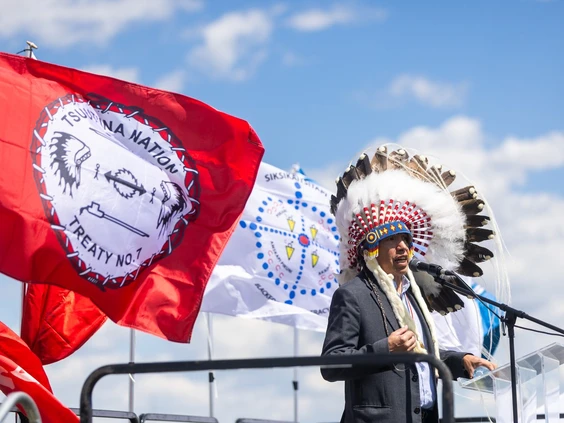
In recent years, Canada Day has also become a time for thoughtful reflection. Many communities recognize the history, culture, and contributions of First Nations, Inuit, and Métis peoples while acknowledging the challenges and injustices experienced throughout Canada’s history. Indigenous ceremonies, educational exhibits, cultural performances, and moments of reflection have become an important part of many Canada Day events, emphasizing reconciliation and mutual respect.
Canada Day is ultimately a celebration of a nation that continues to grow and evolve. It honours the vision of the leaders who created Confederation while recognizing the countless individuals whose hard work, sacrifice, and determination helped build the country. It celebrates a society founded on democratic values, human rights, equality, opportunity, and respect for diversity.
More than a century and a half after Confederation, Canada Day continues to unite millions of people across one of the world’s largest and most diverse nations. Whether attending a major festival in Ottawa, watching fireworks in Vancouver, enjoying a family barbecue in Calgary, participating in a local parade in Halifax, or celebrating in a small northern community, Canadians share a common sense of pride in their country. Every July 1 serves as a reminder of Canada’s remarkable journey, its enduring values, and the shared hope that future generations will continue to build an even stronger, more inclusive, and more prosperous nation.
Post Disclaimer
The views and content presented in this article, news report, or video are solely those of the respective author or creator and do not necessarily reflect the official policy or position of BW Times Digital Online E-Paper.









Leave a comment