

















EDMONTON: Alberta’s independence movement is changing the way it presents its case as the province approaches the October 19 referendum, with some leading supporters encouraging voters to view the ballot as a way to strengthen Alberta’s negotiating position with Ottawa rather than as an immediate decision to leave Canada.
The distinction is important because Albertans will not be voting directly on separation on October 19. The referendum’s 10th question asks voters to choose between keeping Alberta as a province of Canada or directing the provincial government to begin the legal process required to hold a future binding referendum on whether Alberta should separate from Canada.
A vote in favour of the second option would therefore begin a process toward a later referendum. It would not, by itself, make Alberta an independent country. Elections Alberta has confirmed that Question 10 is a choice between the two options and that the referendum result on this question is not binding.
That wording has become central to the campaign being conducted by groups advocating Alberta independence.
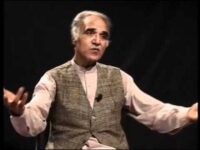
Keith Wilson, a prominent figure in the independence movement and co leader of Let Alberta Decide, has argued that Albertans who are not necessarily committed to separation could still support the second option because it would give Premier Danielle Smith greater leverage in negotiations with the federal government.
The argument is aimed particularly at voters who are frustrated with Ottawa but remain attached to Canada.
Supporters of this approach say the vote can be understood as a way for Alberta to put greater pressure on the federal government over issues such as provincial jurisdiction, energy policy, taxation and constitutional matters. Under this interpretation, beginning the process toward a future separation referendum would give the provincial government another bargaining tool.
However, the campaign’s message creates an obvious distinction between the immediate ballot question and the broader objective of some of the organizations promoting it.
The second option explicitly refers to beginning the constitutional process required to hold a binding referendum on whether Alberta should separate from Canada. For groups whose stated long term objective is independence, the October vote is therefore an important step even though it does not itself determine Alberta’s future outside Confederation.
The independence movement is made up of several organizations and individuals who do not necessarily use identical arguments. Some have focused directly on sovereignty, while others have increasingly emphasized dissatisfaction with federal policies and the possibility of using the referendum process to demand greater provincial autonomy.
The softer message appears designed to reach Albertans who may be unhappy with federal decisions but are not prepared to support immediate separation.
A Referendum With a Larger Question
The separation question is only one of 10 questions that Albertans will receive on October 19.
The provincial government has also placed questions concerning immigration, eligibility for certain provincial programs, voting identification and constitutional changes on the ballot.
Premier Danielle Smith has repeatedly said that she supports Alberta remaining part of Canada. Her government has described its broader referendum agenda as an effort to strengthen Alberta’s position within Confederation rather than pursue separation.
In a televised address earlier this year, Smith said she would vote for Alberta to remain in Canada while continuing to push for greater provincial authority. Her government has also argued that Alberta can achieve more control over areas such as immigration and provincial jurisdiction without leaving Canada.
This position places Smith in a complicated position.
Her government created the October referendum question after a court ruling affected the process surrounding a separatist petition. Rather than hold an immediate binding vote on separation, the government chose to ask Albertans whether it should begin the legal process necessary to hold such a vote in the future.
The result is a referendum that allows voters to express their position on the question of remaining in Canada while also addressing the demand for a formal debate about Alberta’s constitutional future.
The Independence Campaign’s Challenge
For independence campaigners, one of the central challenges is explaining why voters who do not support separation should nevertheless select the option that could lead to a future separation referendum.
That is where the argument about leverage has become increasingly important.
Supporters say Ottawa needs to understand the strength of Alberta’s dissatisfaction and that the possibility of a future independence vote could increase the province’s negotiating power.
Critics of the approach point to the same wording and reach a different interpretation. They argue that beginning a formal process toward a separation referendum is itself a significant political step, regardless of whether Alberta ultimately leaves Canada.
The debate therefore goes beyond a simple stay or leave question.
It involves questions about Alberta’s relationship with Ottawa, provincial autonomy, constitutional authority and the potential consequences of opening a formal discussion about separation.
What Would Happen After a Vote for Option Two?
A vote for the second option would not immediately change Alberta’s constitutional status.
Alberta would remain a Canadian province. The provincial government would instead be directed to commence the legal process required under the Canadian Constitution to hold a later binding referendum on separation.
Any eventual move toward independence would involve additional constitutional and political steps.
Canada’s constitutional framework also makes separation fundamentally different from an ordinary provincial policy decision. The Supreme Court of Canada previously established that a province could not simply leave Confederation through a unilateral declaration. A clear democratic mandate would lead to negotiations and constitutional changes involving the federal government and the other provinces.
That means the October referendum, even if it produces a majority for beginning the process, would be the start of a much longer political and constitutional discussion rather than the final decision on Alberta’s future.
Smith’s Alternative Approach
Smith has continued to argue that Alberta can achieve greater influence without pursuing separation.
Her government has placed several questions on the October ballot dealing with provincial control over immigration and constitutional reforms. The government says these measures could strengthen Alberta’s position within Canada and give the province greater control over matters it considers important.
Smith has also indicated that she would prefer Albertans to use those questions as a way of expressing dissatisfaction with the federal government while maintaining the province’s place in Canada.
That creates a clear difference between the government’s stated position and the long term objective of some independence advocates.
For the independence movement, the referendum creates an opportunity to move the separation debate into a formal political process. For Smith, the same referendum is being presented as a means of addressing Alberta’s grievances while maintaining Canadian unity.
Limited Room in the Middle
The campaign’s softer approach is also being shaped by the difficulty of persuading voters who remain undecided.
Recent polling has generally shown more Albertans supporting continued membership in Canada than supporting the option to begin a process toward a future separation referendum. Polling results vary by question wording, timing and methodology, but the overall debate has increasingly centred on how many voters can be persuaded by the argument that the October ballot is about leverage rather than immediate independence.
That distinction may be particularly important for voters who strongly identify with Alberta but also consider themselves Canadian.
The campaign’s final weeks are therefore likely to focus heavily on how voters understand the wording of Question 10.
Alberta’s Constitutional Debate Enters a New Stage
The October 19 referendum will not decide whether Alberta becomes an independent country.
It will ask Albertans whether the province should remain within Canada or whether the government should begin the legal process toward a future binding referendum on separation.
That difference is central to understanding the current campaign.
Independence supporters are presenting the second option to some voters as a way of sending a message to Ottawa and strengthening Alberta’s negotiating position. At the same time, the option clearly establishes a pathway toward a future vote on separation.
Smith’s government, meanwhile, says Alberta should remain in Canada and argues that stronger provincial powers can be pursued within Confederation.
As Albertans prepare to cast their ballots, the debate is consequently about more than the possibility of independence. It is also a discussion about provincial power, federal relations and how far Alberta should go in challenging the existing balance of authority within Canada.
The October vote will determine whether that constitutional discussion moves into a new formal stage.
Courtesy: CBC
Post Disclaimer
The views and content presented in this article, news report, or video are solely those of the respective author or creator and do not necessarily reflect the official policy or position of BW Times Digital Online E-Paper.









Leave a comment