















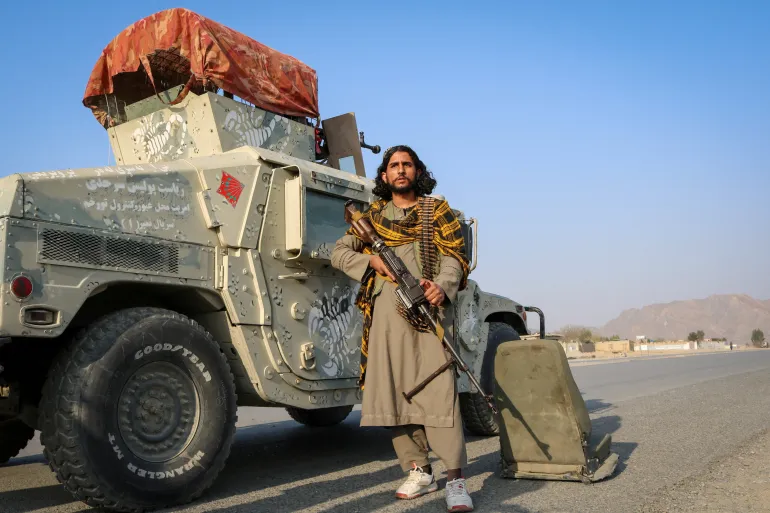
Tensions between Pakistan and Afghanistan have escalated sharply following a deadly strike in the eastern Afghan province of Kunar, threatening to derail an already fragile ceasefire and ongoing peace efforts.
Afghan Taliban authorities allege that Pakistani mortars and missiles struck civilian areas, including Sayed Jamaluddin Afghani University in the provincial capital Asadabad, killing at least seven people and injuring more than 80. Among the wounded were dozens of students and faculty members, with significant damage reported across the university campus.
Taliban officials, including spokesperson Hamdullah Fitrat, described the incident as a “war crime,” accusing Pakistan of targeting civilians and educational institutions. The claims have intensified public outrage within Afghanistan and added pressure on the already strained diplomatic relationship.
However, Pakistan has firmly denied responsibility. The Ministry of Information and Broadcasting dismissed the allegations as false, stating that its military operations are “precise and intelligence-based.” While not fully ruling out cross-border action, Islamabad rejected claims that it targeted the university.
Despite a formal ceasefire, both sides have acknowledged ongoing exchanges of fire along the porous border. The situation highlights the fragility of the truce, which had been brokered after months of intense clashes earlier this year.
Peace Talks at Risk
The latest escalation comes just weeks after talks hosted in Urumqi, where delegations from both countries met under Chinese mediation. Afghan Foreign Minister Amir Khan Muttaqi had described the discussions as “positive,” but no formal agreement or joint statement emerged.
Analysts suggest the talks achieved little substantive progress. Deep-rooted mistrust and conflicting security narratives continue to undermine diplomatic efforts. Pakistan insists that Afghanistan must take concrete, written action against militant groups, while Kabul denies harbouring such elements.
The TTP Dispute
At the core of the conflict lies the issue of the Tehreek-e-Taliban Pakistan (TTP). Islamabad accuses Afghan authorities of providing safe haven to the group, which has carried out numerous attacks in Pakistan’s border regions.
Afghanistan rejects these allegations, arguing that Pakistan uses them as a pretext for military intervention. This fundamental disagreement has stalled progress in negotiations and continues to fuel cross-border tensions.
Failed Mediation Efforts
Multiple international actors, including China, Qatar, Saudi Arabia, and Turkiye, have attempted to mediate between the two nations. However, previous ceasefires have repeatedly collapsed, often followed by renewed accusations and violence.
One of the most controversial incidents occurred in March, when an airstrike destroyed a major hospital in Kabul, with disputed casualty figures and conflicting accounts from both sides. The episode underscored the lack of trust and absence of a reliable verification mechanism.
A Fragile Path Forward
Experts warn that without mutual agreement on core issues and a credible system to verify compliance, any ceasefire will remain vulnerable. Both governments face domestic pressures that make compromise politically risky, further complicating peace efforts.
Afghanistan is also pushing for broader concessions, including eased border restrictions, trade access, and improved visa policies for its citizens. Pakistan, however, maintains that security concerns must be addressed first.
As tensions rise following the Kunar incident, the future of the ceasefire hangs in the balance. Without meaningful progress and trust-building measures, the region risks slipping back into a cycle of conflict, undermining stability across South Asia.
Courtesy: Aljazeera
Post Disclaimer
The views and content presented in this article, news report, or video are solely those of the respective author or creator and do not necessarily reflect the official policy or position of BW Times Digital Online E-Paper.











Leave a comment