











PESHAWAR, PAKISTAN: Prime Minister Shehbaz Sharif has pledged to restore development and prosperity in Khyber Pakhtunkhwa, announcing Rs160 billion in federal development funding while sharply criticising the Pakistan Tehreek-e-Insaf (PTI) for what he described as years of negligence in addressing terrorism, public services and governance.
Speaking in Peshawar on Thursday, October 22, during his first visit to the province since the imposition of governor’s rule and an emergency on October 11, the prime minister defended the federal government’s decision to take control of provincial administration, describing it as a measure taken under extreme circumstances.
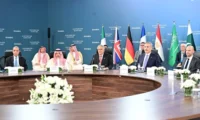
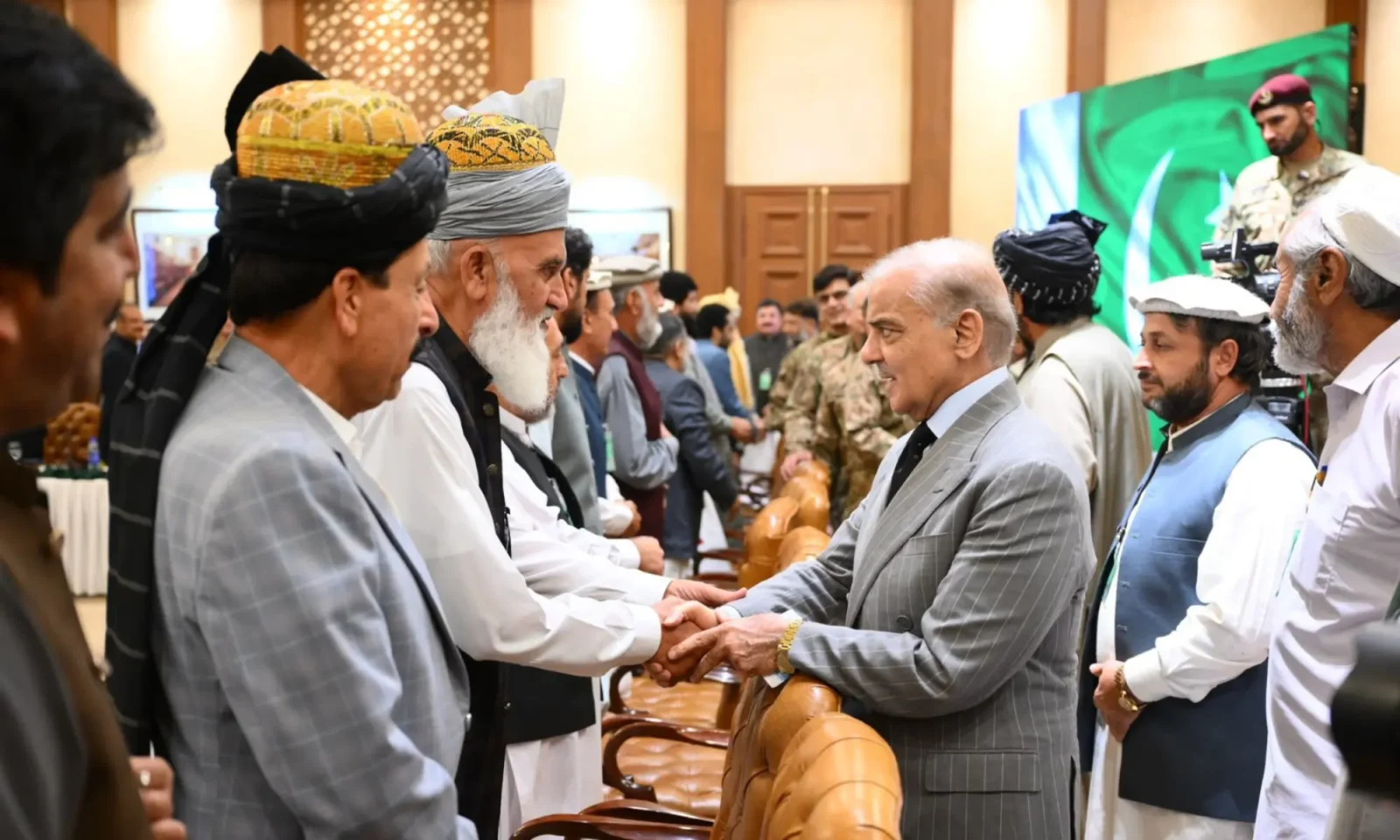
The visit included meetings of the provincial apex committee and the Area Representative and Development Council (ARDC), with senior military leadership, federal ministers, Khyber Pakhtunkhwa Governor Faisal Karim Kundi and representatives from security-affected districts in attendance.
Sharif said the federal government would mobilise its resources to put the province back on a path towards economic growth, improved public services and lasting security. He pledged that the Centre would work to fulfil the aspirations of residents who, he argued, had suffered from years of insecurity and administrative failures.
The prime minister also criticised the previous PTI-led provincial administrations, accusing them of failing to strengthen law enforcement agencies despite substantial federal financial support.
According to Sharif, approximately Rs800 billion had been provided or allocated to support Khyber Pakhtunkhwa’s counterterrorism efforts since the introduction of the 2010 National Finance Commission Award. He questioned why the province continued to face serious security challenges despite those resources.
Sharif claimed that thousands of police positions remained vacant, Safe City surveillance projects had not been completed and the Counter-Terrorism Department had not received the necessary expansion in capacity, equipment and training.
He argued that the failure to strengthen security institutions had weakened the province’s ability to confront militant groups and protect its residents.
The prime minister also revisited the restoration of peace in Pakistan following years of militancy, saying the sacrifices made by soldiers, police personnel and civilians should never be disregarded.
He accused previous provincial administrations of failing to give sufficient attention to counterterrorism and public safety, alleging that important matters involving education, healthcare and the protection of life and property had been neglected.
Sharif said the resurgence of militant activity had placed the province under renewed pressure and called for a comprehensive examination of the decisions that contributed to the deterioration of security.
He also referred to the breakdown of negotiations between the federal government and the PTI-led provincial leadership on October 3, arguing that the Centre had been left with little choice but to intervene.
The PTI, however, has maintained that it was being excluded from important security decisions affecting the province and has called for a review of the counterterrorism strategy. The party has also challenged the federal government’s approach to governing Khyber Pakhtunkhwa.
Sharif said the federal government could not remain passive while militant groups operated in parts of the province and allegedly engaged in extortion and other criminal activities. He linked improved security to the government’s broader efforts to stabilise Pakistan’s economy.
He also credited cooperation between the political leadership and the military establishment for progress towards economic stability over the past two and a half years.
The prime minister described Khyber Pakhtunkhwa as a strategically important province and said restoring peace there was essential for the security and prosperity of the entire country.
Federal Government Announces Rs160 Billion Development Package
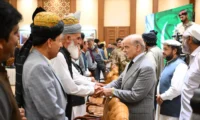
During his meeting with the Area Representative and Development Council, Sharif announced Rs160 billion in federal funding for development projects in Khyber Pakhtunkhwa.
The council represents 12 districts facing significant security challenges: Dera Ismail Khan, Tank, Lakki Marwat, Bannu, Bajaur, Mohmand, Khyber, Kurram, Orakzai, North Waziristan, South Waziristan Upper and South Waziristan Lower.
It includes 48 tribal elders and prominent local figures intended to provide community representation and help identify the needs of affected areas.
Sharif said development in these districts would be a priority, acknowledging that communities affected by years of militancy deserved better infrastructure, economic opportunities and access to essential services.
The prime minister also announced measures to address wheat shortages in the province. He said the federal government would supply as much wheat as required from the reserves of the Pakistan Agricultural Storage and Services Corporation.
He stressed that the wheat must reach consumers at the price charged by the federal government and warned against hoarding or exploitation by middlemen.
Sharif further assured council members that the Centre would provide the resources required for counterterrorism operations and support efforts to improve the operational capabilities of the provincial police and other law enforcement agencies.
He said directives had been issued to strengthen the Counter-Terrorism Department and accelerate the completion of Safe City projects.
The federal government also pledged to address obstacles affecting its ongoing development projects, while the governor-led administration would work to resolve problems involving provincial initiatives.
Sharif urged tribal elders to play an active role in supporting peace, development and cooperation between local communities and the authorities.
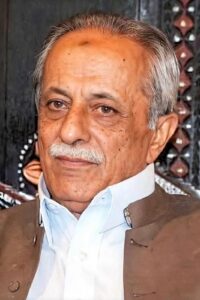
He also endorsed concerns raised by ARDC Chairman Shaukatullah Khan regarding the province’s development challenges, corruption allegations and deteriorating security situation.
The prime minister cited the Kohistan District Accounts Office scandal and alleged irregularities involving the Cities Improvement Project’s clean drinking water programme as examples of the financial misconduct that, he argued, had deprived residents of essential services.
He promised that the federal administration would work to improve accountability and ensure development funding reached its intended beneficiaries.
Governor Relaxes Vehicle Procurement Restrictions for Police
In a separate development, Governor Faisal Karim Kundi announced that he had approved a relaxation of restrictions on vehicle purchases for the Khyber Pakhtunkhwa police.
The decision is intended to improve the mobility and operational readiness of officers confronting security threats across the province.
Kundi said police personnel were on the front lines of efforts to protect residents and required adequate vehicles and equipment to respond effectively to emergencies.
He clarified that the relaxation would remain within the approved limits and would use funds already allocated under the police procurement plan, without imposing additional pressure on the provincial budget.
The previous PTI-led provincial government had introduced restrictions on vehicle procurement in July, with exemptions for essential categories of vehicles and emergency equipment.
The governor’s latest decision reflects the administration’s stated priority of strengthening law enforcement capabilities amid continuing security concerns.
Merged Districts Declared a Development Priority
Addressing the apex committee, Kundi described peace and stability in Khyber Pakhtunkhwa as a collective national responsibility.
He said the people of the province had demonstrated restraint during a period of political uncertainty and praised security personnel who had lost their lives in operations against militant groups.
The governor argued that the sacrifices made by residents of the merged tribal districts should be followed by tangible improvements in living standards.
He identified education, healthcare, employment and economic opportunities as essential components of a long-term strategy for the region.
Kundi also said the governor-led Advisory Council would continue working to integrate the merged districts into national development programmes and strengthen cooperation between the federal government, local communities and security institutions.
He maintained that residents should not have to choose between security and development, arguing that both were necessary for sustainable peace.
The governor called for continued federal support and said the effectiveness of counterterrorism policies should ultimately be measured by public confidence and the safety of ordinary citizens.
He also pledged to target the broader networks supporting militant activity, including those responsible for financing and facilitating terrorist groups.
Governor’s Rule Deepens Political Dispute With PTI
The federal government imposed governor’s rule and an emergency in Khyber Pakhtunkhwa on October 11, citing what it described as the PTI-led administration’s failure to cooperate adequately in the fight against terrorism.
The decision was subsequently endorsed by Parliament amid opposition protests.
The move followed weeks of political confrontation between the federal government and PTI, including demonstrations and a protest campaign demanding the release of the party’s jailed founder, Imran Khan.
Negotiations between the two sides failed to produce an agreement, with counterterrorism policy emerging as a major point of disagreement.
Federal ministers have accused the former provincial administration of maintaining an inadequate approach towards militant groups, while the PTI has argued that the Centre has sidelined its elected representatives in decisions affecting the province.
The federal government has also authorised the deployment of Pakistan Army personnel and assets in aid of civil power in Khyber Pakhtunkhwa.
The political dispute has raised questions about provincial autonomy, democratic representation and the appropriate division of responsibilities between Islamabad and the provincial administration.
Sharif’s visit and the announcement of development funding signal an attempt by the federal government to present its intervention as part of a broader effort to restore security and improve public services.
However, the success of the new arrangement will depend on whether the promised funding translates into completed projects, stronger law enforcement institutions and measurable improvements in the daily lives of residents.
For communities that have endured years of militancy, displacement and economic disruption, the immediate priorities remain safety, reliable public services and opportunities for recovery.
The federal government has pledged substantial resources and a renewed focus on development. Whether those commitments can deliver lasting stability in Khyber Pakhtunkhwa will be judged by their implementation on the ground.
Courtesy: DAWN
Post Disclaimer
The views and content presented in this article, news report, or video are solely those of the respective author or creator and do not necessarily reflect the official policy or position of BW Times Digital Online E-Paper.












Leave a comment