
















CALGARY, ALBERTA — September 30 marks the National Day for Truth and Reconciliation in Canada, a day dedicated to honouring Survivors of residential schools, remembering the children who never returned home, and recognizing the continuing impact of the residential school system on First Nations, Inuit and Métis communities.
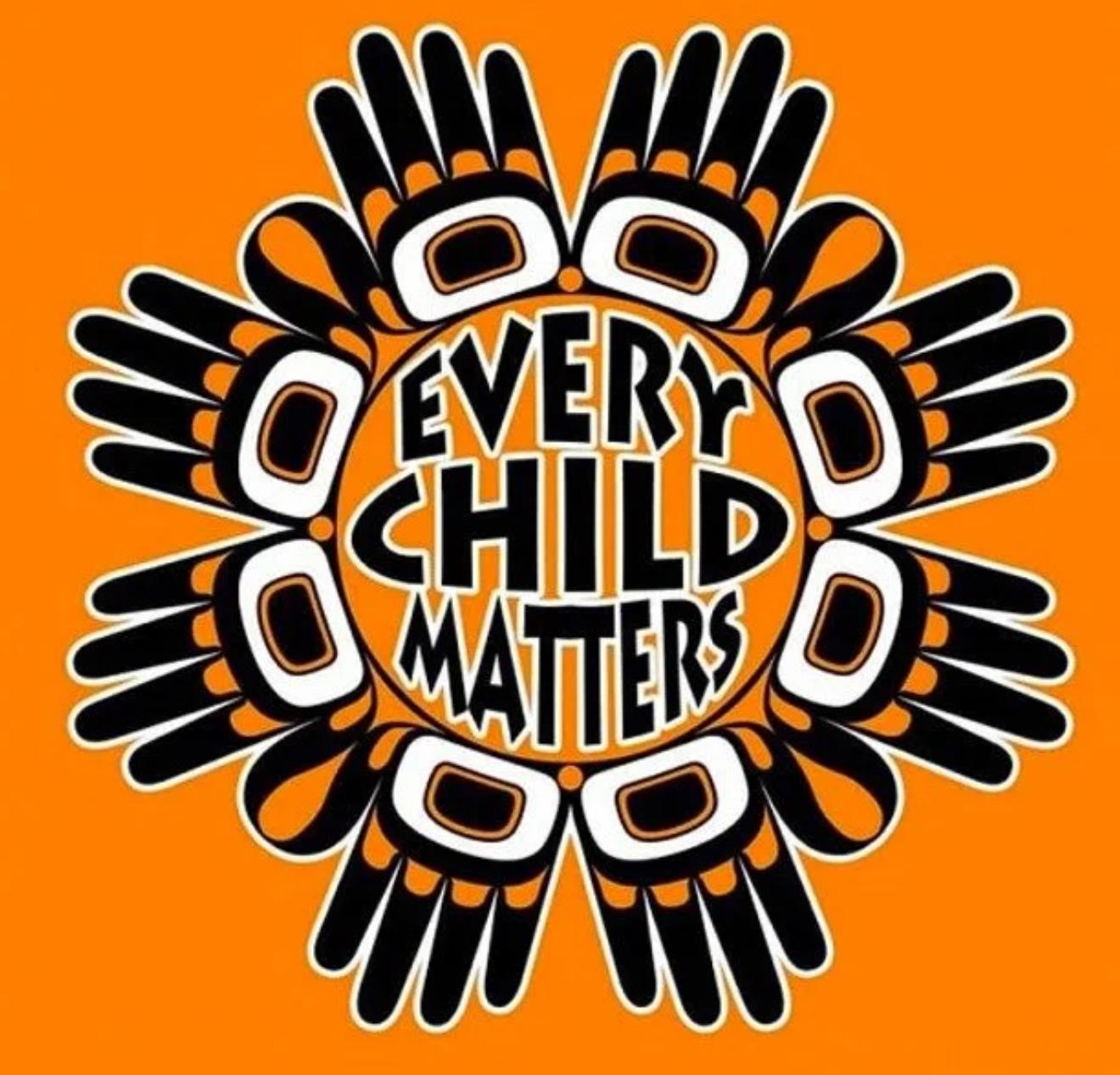
Observed every year on September 30, the day is also known as Orange Shirt Day, an Indigenous-led movement built around the message that Every Child Matters. It provides Canadians with an opportunity to learn about a painful part of the country’s history, listen to Indigenous voices and reflect on the work that remains to be done toward reconciliation.
The National Day for Truth and Reconciliation was formally established in 2021 following a recommendation of the Truth and Reconciliation Commission of Canada. The federal government established the day through Bill C-5, which received Royal Assent on June 3, 2021. The date directly responds to Call to Action 80 of the Truth and Reconciliation Commission, which called for a national day to honour residential school Survivors, their families and communities and to ensure that the history and legacy of residential schools would remain part of Canada’s public memory.
The History Behind the Day
The residential school system developed as part of Canada’s colonial policies toward Indigenous peoples. Residential schools existed in various forms for centuries, while a formal government-supported system expanded significantly during the 19th and 20th centuries. Federal government involvement intensified in the 1880s.
According to Parks Canada, at least 150,000 First Nations, Inuit and Métis children attended residential schools. The schools were largely administered and funded by the federal government and operated by various religious organizations.
The objective was not simply to educate children. Residential schools formed part of a broader policy of assimilation designed to separate Indigenous children from their families, communities, cultures and languages and to encourage their integration into settler society.
Children were frequently separated from their parents and communities and placed in institutions far from home. Survivors have described experiences involving physical, emotional and sexual abuse, neglect, cultural suppression and the loss of language and family connections.
The effects did not end when children left the schools. The experiences of Survivors affected families and communities across generations, contributing to continuing social, cultural and economic challenges.
The residential school system did not disappear quickly. Residential schools operated in Canada into the 20th century, with the last federally operated residential school, the Gordon’s Indian Residential School in Saskatchewan, closing in 1996.
Children Who Never Returned Home
One of the most painful aspects of Canada’s residential school history concerns children who died while attending the institutions and those whose deaths were not adequately documented or whose burial locations were not properly recorded.
The Truth and Reconciliation process has emphasized the importance of identifying and remembering children who never returned to their families.
In recent years, investigations and searches at former residential school sites have brought renewed public attention to burial sites and the experiences of children who died while attending the schools. These discoveries have reinforced calls for communities, governments and institutions to continue research, documentation and commemoration in ways led by and respectful of Indigenous communities.
The National Day for Truth and Reconciliation therefore is not simply about looking backward. It is also about recognizing that the consequences of these policies continue to affect Survivors, families and communities today.
The Story Behind the Orange Shirt
The orange shirt has become one of the most recognizable symbols associated with residential school remembrance in Canada.
Orange Shirt Day began in Williams Lake, British Columbia, in 2013. It was inspired by the personal experience of residential school Survivor Phyllis Webstad, who was six years old when she attended the St. Joseph Mission Residential School near Williams Lake.
Webstad has shared that she arrived at the school wearing a new orange shirt given to her by her grandmother. The shirt was taken away from her when she arrived.
Her story became a symbol of the way residential schools stripped Indigenous children of their personal identities, family connections, cultures and languages.
Orange Shirt Day has since developed into a national movement. Wearing orange on September 30 represents remembrance and recognition of the experiences of residential school Survivors and the children who never returned home. The phrase Every Child Matters emphasizes that every child deserves dignity, identity, family and respect.
The Truth and Reconciliation Commission
A major turning point in Canada’s understanding of residential schools came through the Truth and Reconciliation Commission of Canada, established as part of the Indian Residential Schools Settlement Agreement.
The Commission spent several years collecting testimony from Survivors and documenting the history and legacy of the residential school system. Its final report was released in 2015 and included 94 Calls to Action.
The Calls to Action addressed education, child welfare, health, justice, language and culture, commemoration, media and other areas where the Commission identified a need for change.
Call to Action 80 specifically called for the creation of a National Day for Truth and Reconciliation.
September 30 therefore represents more than a day of remembrance. It is connected directly to the broader process of responding to the findings and recommendations of the Truth and Reconciliation Commission.
What Does Reconciliation Mean?
Reconciliation is a complex and continuing process. It involves recognizing the history of colonial policies and residential schools, acknowledging the harm caused to Indigenous peoples and working toward relationships based on respect, understanding and recognition of Indigenous rights.
For many Canadians, September 30 is an opportunity to learn rather than simply observe.
Schools, workplaces, governments, libraries, museums and community organizations across Canada hold educational programs, ceremonies, walks, discussions, cultural activities and other events.
The Government of Canada continues to publish events taking place across the country. In 2026, activities listed by the federal government include community gatherings, survivor ceremonies, cultural events, educational programs and commemorations in Alberta and other provinces and territories.
Why September 30 Matters Today
The National Day for Truth and Reconciliation is particularly significant because the history it commemorates is not considered merely a historical subject. Survivors are still living, families continue to carry memories and communities continue to deal with the effects of policies that separated children from their families and attempted to suppress Indigenous cultures and languages.
The day provides Canadians with an opportunity to listen to Survivors, learn about First Nations, Inuit and Métis histories and cultures, and consider the responsibilities involved in reconciliation.
Wearing an orange shirt has become a visible expression of remembrance, but reconciliation involves more than clothing or a single day on the calendar. Government and community organizations have emphasized education, listening to Indigenous voices, supporting Indigenous-led initiatives and learning about the Truth and Reconciliation Commission’s Calls to Action as important parts of the continuing process.
A Day of Remembrance and Responsibility
Canada’s National Day for Truth and Reconciliation is ultimately about remembering people and understanding history.
It honours Survivors who have shared their experiences, remembers the children who never returned home and recognizes families and communities that continue to live with the consequences of residential schools.
For Canadians who were born after the residential school era, September 30 offers an opportunity to understand a part of the country’s history that was for many years poorly understood or discussed publicly.
The goal of remembering is not to remain permanently focused on the past. Rather, truth is presented as an essential part of building a different future.
As Canada observes the National Day for Truth and Reconciliation, the orange shirt serves as a reminder of the children whose identities and connections were taken from them, while Every Child Matters remains the central message of Orange Shirt Day.
Five years after the first National Day for Truth and Reconciliation was observed in 2021, September 30 continues to provide a national opportunity for remembrance, education and reflection. The history of residential schools remains an important part of understanding Canada, while reconciliation remains an ongoing process involving Indigenous peoples and Canadians across the country.
Post Disclaimer
The views and content presented in this article, news report, or video are solely those of the respective author or creator and do not necessarily reflect the official policy or position of BW Times Digital Online E-Paper.










Leave a comment