










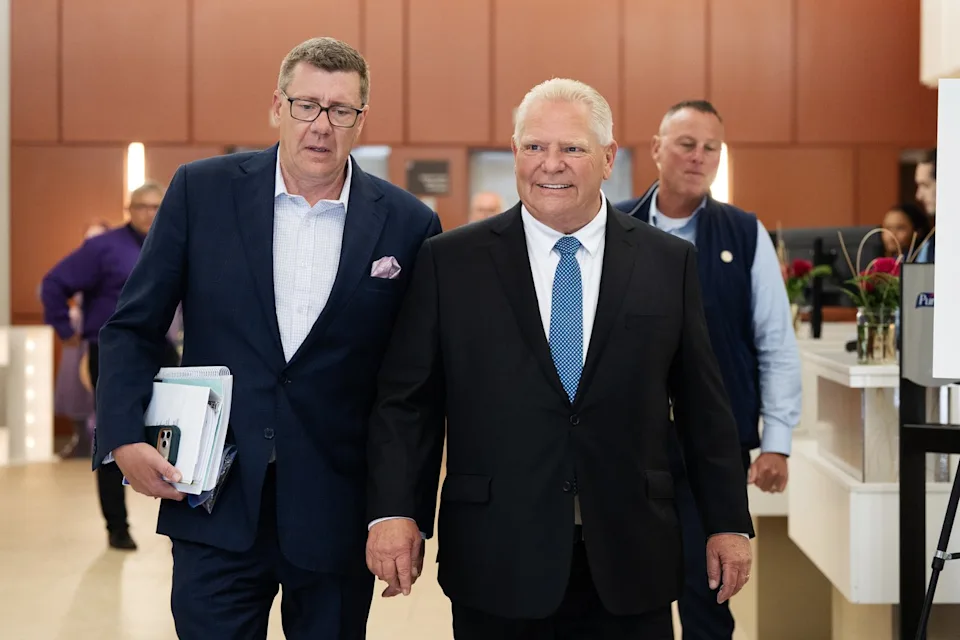
A new agreement between the premiers of nine Canadian provinces is set to significantly expand interprovincial alcohol sales by allowing breweries, wineries and distilleries to sell their products directly to consumers across participating provinces, marking another major step toward reducing internal trade barriers.
The announcement was made during the Council of the Federation meeting in Charlottetown, where provincial leaders agreed to remove longstanding restrictions that have limited direct shipments of beer, wine and spirits across provincial borders. The changes are expected to provide consumers with greater choice while creating new business opportunities for Canadian producers.
Under the agreement, participating provinces will amend their regulations to allow alcohol manufacturers to ship products directly to customers regardless of where they live within the participating jurisdictions. Previously, these sales were either prohibited or governed by separate agreements between individual provinces, making nationwide direct sales difficult for many businesses.
New Brunswick Premier Susan Holt said the agreement will strengthen Canada’s internal economy by allowing Canadians easier access to products made in other provinces while encouraging greater domestic trade at a time when supporting Canadian businesses has become increasingly important.
Ontario Premier Doug Ford welcomed the agreement, saying it will create new markets for producers while giving consumers more choice and convenience. He noted that reducing barriers within Canada will help businesses grow and strengthen the country’s economy.
Nova Scotia Premier Tim Houston also emphasized the importance of expanding trade within Canada, particularly as Canadian exporters face increasing challenges in international markets. Provincial leaders said strengthening domestic commerce has become a priority as external trade pressures continue to evolve.
Alberta Premier Danielle Smith described the agreement as an important milestone for local producers, adding that future efforts should focus on removing remaining barriers to retail alcohol sales across the country to create a more open national marketplace.
The agreement was signed by nine provinces, while Quebec, Yukon, the Northwest Territories and Nunavut did not join the initiative at this stage. Officials indicated that Quebec and Yukon are continuing discussions and could become participants in the near future.
British Columbia confirmed it supports the agreement but plans to implement the necessary regulatory changes by February 2027 before allowing direct-to-consumer shipments.
The initiative builds on a memorandum of understanding signed by provinces and Yukon in 2025, which committed governments to reducing internal trade barriers and improving the movement of goods across Canada.
The Northwest Territories and Nunavut explained that although they support greater interprovincial trade, they did not participate because many northern communities have locally determined alcohol restrictions and policies that reflect community priorities and cultural values. Territorial leaders said protecting local decision-making remains an important consideration in alcohol regulation.
Industry observers believe the agreement could benefit Canadian breweries, wineries and distilleries by expanding their customer base beyond provincial borders while giving consumers access to a wider variety of Canadian-made products without needing to travel or rely on provincial liquor distribution systems.
The move is also expected to encourage stronger competition, promote Canadian businesses and further advance efforts to reduce internal trade barriers that have long been viewed as obstacles to economic growth across the country.
Post Disclaimer
The views and content presented in this article, news report, or video are solely those of the respective author or creator and do not necessarily reflect the official policy or position of BW Times Digital Online E-Paper.



Leave a comment