












As protests and strikes continue across Pakistan-administered Kashmir, the region is witnessing one of its most serious political and humanitarian crises in recent years. Reports emerging from various districts suggest that public frustration has reached unprecedented levels, with citizens demanding economic relief, political reforms, greater accountability, and protection of their civil rights. What began as demonstrations over governance and economic hardships has evolved into a broader movement reflecting long-standing grievances among the people.
According to local activists and community representatives, the ongoing strike has entered its second week, affecting daily life, businesses, transportation, education, and communication. Protesters argue that government policies have failed to address fundamental issues facing ordinary citizens. Many claim that restrictions on movement, communication services, and public gatherings have further intensified public anger rather than easing tensions.
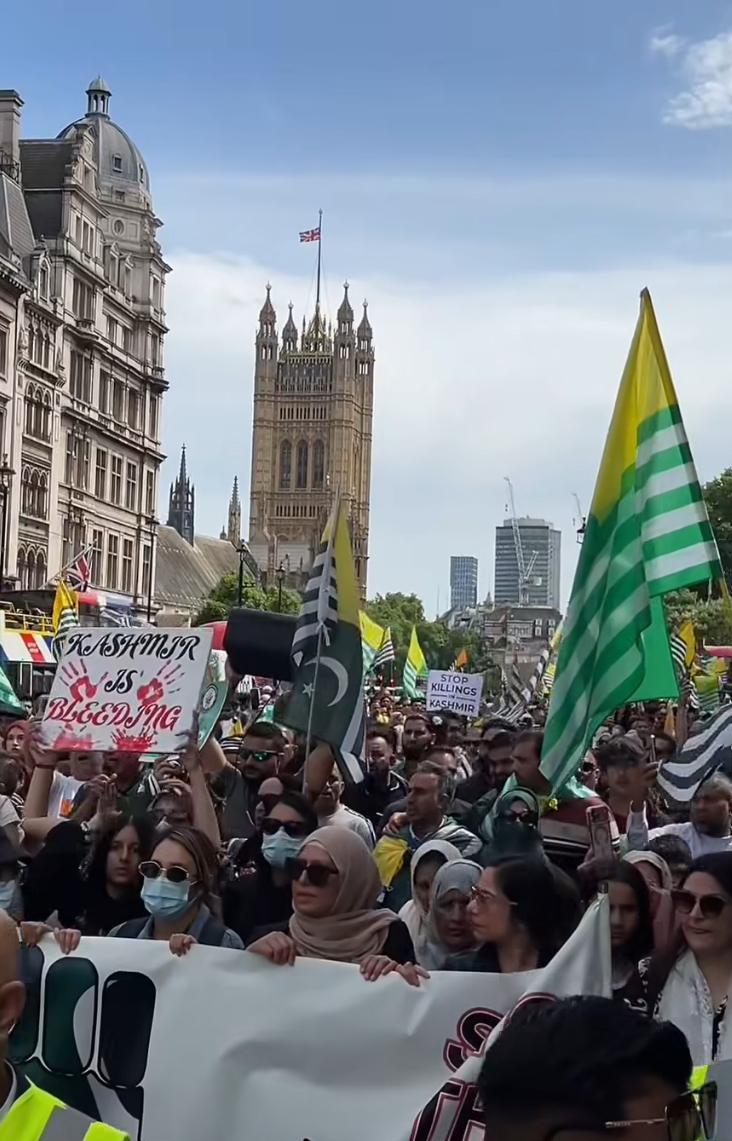
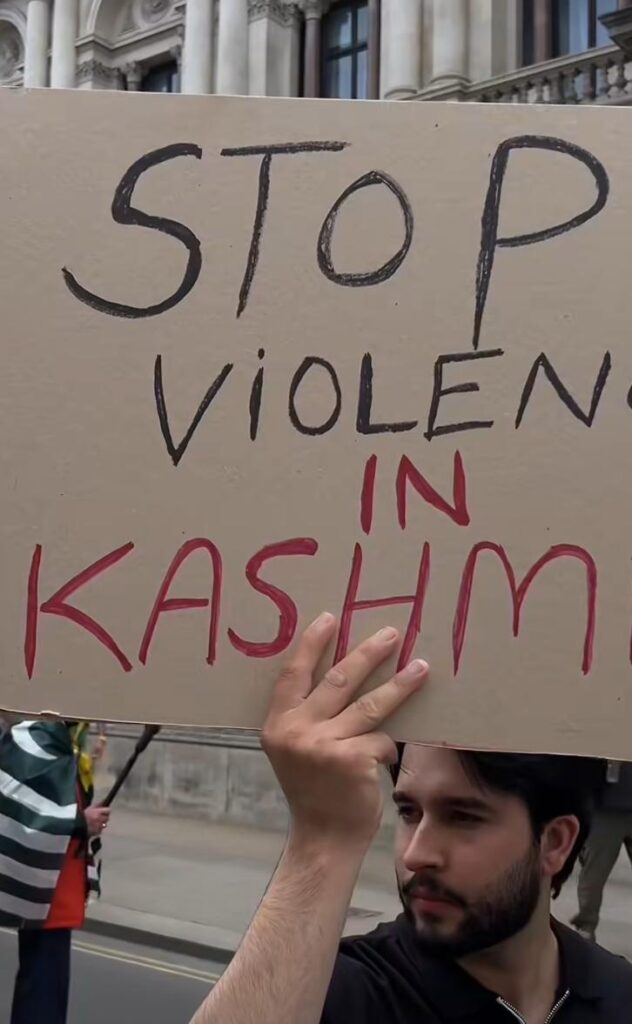
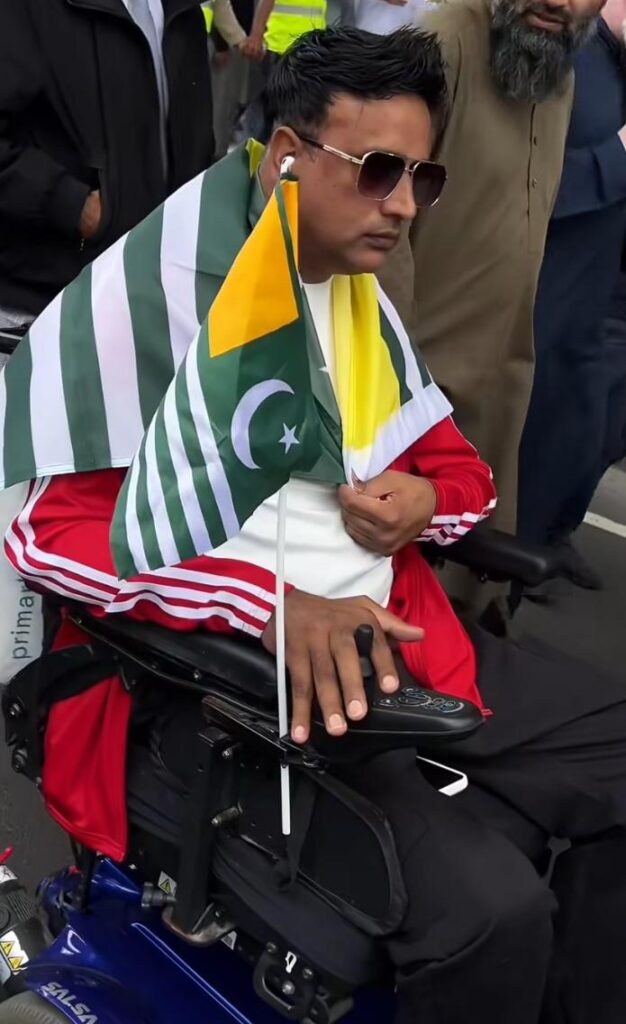
The situation has drawn the attention of Kashmiris living abroad, particularly in the United Kingdom, Canada, the United States, Australia, and several European countries. Overseas Kashmiri communities have organized demonstrations, awareness campaigns, and social media initiatives to highlight concerns about the developments unfolding in the region. These diaspora groups argue that the voices of ordinary Kashmiris deserve greater international attention and that peaceful demands should be addressed through dialogue rather than confrontation.
Critics of the Pakistani establishment contend that successive governments have repeatedly failed to resolve structural problems affecting the region. They argue that promises of reform have often remained unfulfilled, leaving citizens frustrated and distrustful of political institutions. The current unrest, according to many observers, reflects years of accumulated dissatisfaction rather than a single event or policy decision.
The international response has been notably restrained. Major world powers have largely avoided direct involvement, preferring to view the developments as an internal matter. This cautious approach has disappointed many activists who believe that human rights organizations and democratic governments should pay closer attention to the concerns being raised by protesters.
The United Kingdom, home to a large Kashmiri diaspora, has witnessed increasing calls for parliamentary discussions and public debate on the issue. Community organizations have urged British lawmakers to monitor developments and encourage peaceful engagement between authorities and protesters. Similar appeals have been made in Canada, where Kashmiri-origin citizens have approached elected representatives seeking greater awareness of the situation.
The United States has traditionally emphasized stability and regional security in South Asia. While Washington often encourages respect for democratic principles and human rights, it has generally refrained from taking strong public positions on internal political disputes unless significant international concerns arise. This has led some activists to accuse Western governments of applying inconsistent standards when addressing human rights issues around the world.
Across Europe, human rights advocates have called for transparency, dialogue, and protection of fundamental freedoms. However, no major European government has yet adopted a prominent public role regarding the ongoing unrest. For many protesters, this perceived international silence has become a source of frustration.
India’s position has attracted particular attention. Analysts suggest that New Delhi has adopted a cautious and diplomatic approach, carefully observing developments without becoming directly involved. Given the long and complex history of the Kashmir dispute, Indian policymakers appear reluctant to make statements that could be interpreted as interference. Nevertheless, developments in any part of Kashmir inevitably attract attention across the region because of their broader political implications.
Beyond geopolitics, the most pressing concern remains the welfare of ordinary people. Prolonged unrest affects families, workers, students, business owners, and vulnerable communities. Economic activity suffers, educational institutions face disruption, and uncertainty creates anxiety among residents. Regardless of political viewpoints, it is civilians who often bear the greatest burden during periods of instability.
The crisis also highlights the importance of democratic engagement. Sustainable solutions rarely emerge through force alone. History demonstrates that long-term stability is more likely when governments listen to public concerns, encourage dialogue, and create credible mechanisms for addressing grievances. Likewise, protest movements achieve greater legitimacy when they remain peaceful, organized, and focused on constructive objectives.
The people of Kashmir have endured decades of political uncertainty and conflict. Many residents are now calling not only for immediate relief but also for a broader conversation about governance, representation, economic opportunity, and accountability. Whether those calls lead to meaningful change will depend largely on the willingness of all stakeholders to engage in dialogue and prioritize the interests of the population.
As the strike continues, the world should not ignore the voices emerging from the region. Governments, civil society organizations, and international human rights advocates should encourage peaceful solutions, respect for fundamental freedoms, and measures that reduce tensions rather than deepen them. The future of Kashmir cannot be built on confrontation alone; it requires justice, dialogue, transparency, and a genuine commitment to the aspirations of its people.
The coming days may prove decisive. If constructive engagement replaces political polarization, there remains hope for a peaceful path forward. If not, the crisis risks becoming yet another chapter in the long history of unresolved tensions that have shaped the lives of generations of Kashmiris.
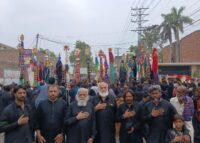
Videos shared across social media platforms by Kashmiri activists and citizens appear to show a worsening humanitarian and political situation in Pakistan-administered Kashmir. The footage, which has been widely circulated among overseas Kashmiri communities in the United Kingdom, Canada, the United States, Australia, and Europe, allegedly depicts large-scale protests, road blockades, business closures, and public demonstrations demanding political and constitutional rights.
According to social media users, residents have faced significant disruptions to daily life, including restrictions on internet services, transportation, and economic activity. Protesters claim that the ongoing movement reflects widespread public dissatisfaction with government policies and political decisions affecting the region. However, these claims have not been independently verified by international observers.
Recent international media reports confirm that authorities have imposed internet restrictions, conducted arrests, and responded with security measures following violent clashes connected to protests across the territory. Reports indicate that more than twenty people have died during the unrest, including civilians and security personnel, while hundreds have reportedly been detained.
Many Kashmiris living abroad have expressed solidarity with the protesters through demonstrations, public meetings, and online campaigns. Diaspora groups argue that the international community has not paid sufficient attention to the concerns being raised by ordinary citizens in the region.
Critics argue that major world powers, including the United States, the United Kingdom, Canada, and European nations, have largely remained silent despite growing concerns over civil liberties and political rights. Human rights organizations have called for restraint, dialogue, and protection of fundamental freedoms, while some international observers have expressed concern regarding reports of internet shutdowns and mass arrests.
India has largely maintained a cautious and diplomatic position, avoiding direct involvement while closely monitoring developments. Given the long-standing sensitivity of the Kashmir dispute, regional governments are carefully assessing the implications of the unrest.
The ongoing crisis highlights the growing gap between public expectations and political realities. Whether the situation is ultimately resolved through dialogue or further confrontation will depend on the willingness of all parties to engage constructively and address the grievances being raised by the population.
As videos continue to emerge from the region, one message remains clear: many Kashmiris believe their voices deserve greater attention, both from authorities and from the international community. While the full extent of events on the ground remains difficult to verify, the unrest has already become one of the most significant political challenges facing the region in recent years.

Post Disclaimer
The views and content presented in this article, news report, or video are solely those of the respective author or creator and do not necessarily reflect the official policy or position of BW Times Digital Online E-Paper.









Leave a comment