















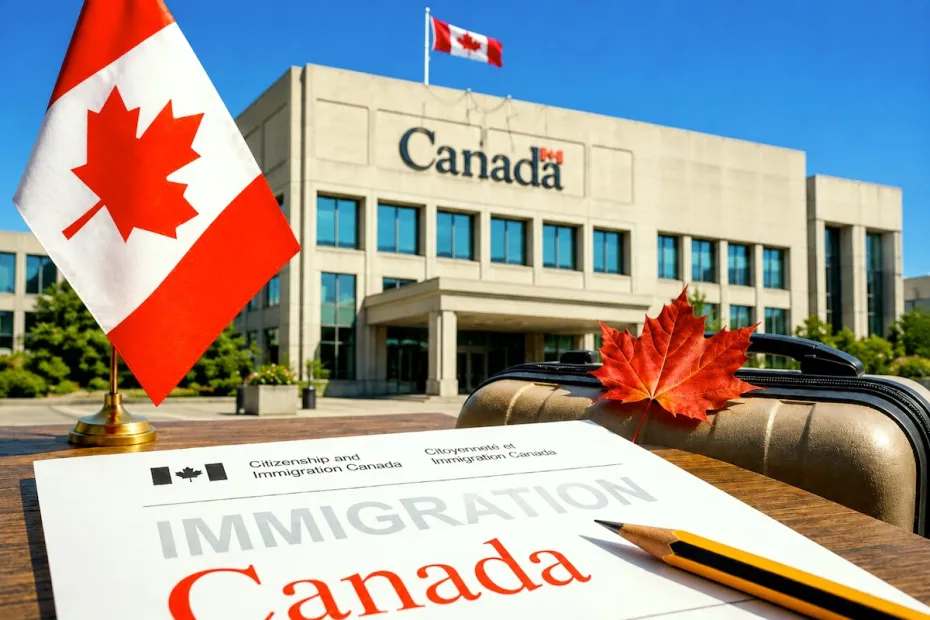
Canada’s immigration department is moving closer to introducing possible language proficiency requirements for select temporary foreign worker streams, according to the latest update in Immigration, Refugees and Citizenship Canada (IRCC)’s Forward Regulatory Plan.
The proposed amendment could allow IRCC to require approved third-party language test results for some applicants under the International Mobility Program (IMP), a broad system that includes multiple categories of employer-specific and open work permits.
Regulatory proposal moving toward Canada Gazette stage
The initiative, first listed in IRCC’s 2025 regulatory plan, has now progressed further following completed consultations with provinces, territories, and private-sector stakeholders.
According to the April 7, 2026 update, the federal government is targeting spring or summer 2026 for pre-publication in the Canada Gazette, Part I. This step would trigger a 30-day public comment period before any final regulation is adopted.
IRCC emphasized that the proposal is still not law, and no applicants are currently required to submit language test results under this initiative.
What IRCC is proposing
The amendment would modify the Immigration and Refugee Protection Regulations to potentially require designated language testing for “certain work permit applicants under the International Mobility Program.”
The stated policy goal is to improve transparency, labour market integration, and alignment with Canada’s long-term immigration and workforce needs.
However, IRCC has not confirmed:
- Which IMP streams will be affected
- Minimum language scores
- Approved test providers
- Exemptions or transitional rules
- Final implementation timelines
Work permit categories potentially affected
The IMP includes a wide range of work permits such as:
- Open work permits
- Spousal open work permits
- Post-graduation work permits (PGWP)
- Bridging open work permits
- Intra-company transfers
- Free trade agreement permits
While speculation continues that spousal open work permits may be among the most impacted, IRCC has not officially named any specific category in the regulatory text so far.
Possible impact on applicants
If implemented, the policy could require temporary residents to demonstrate English or French proficiency earlier in their immigration journey.
IRCC has indicated the broader intent is to support:
- Stronger labour market outcomes
- Smoother transition to permanent residency
- Better integration for temporary foreign workers
However, stakeholders note that the rule could also narrow eligibility and increase administrative requirements for employers and applicants.
No final decision yet
Officials stress that the proposal remains under development and may change after public consultation.
Once published in the Canada Gazette, Canadians and stakeholders will have 30 days to submit feedback before the government finalizes the regulation in Part II, where it would become legally binding.
This means any actual implementation is unlikely before 2027 at the earliest.
What comes next
IRCC is expected to release the full regulatory text during pre-publication later in 2026. Only then will applicants know:
- Exactly which work permit streams are included
- Whether spousal and open permits are affected
- What language tests and scores will be required
- How existing applicants will be treated under transition rules
Until then, immigration experts are advising applicants not to take action based on speculation and to wait for official publication.
Bottom line
Canada is moving closer to a new stage in work permit policy that could introduce language testing for selected temporary foreign worker categories. While the direction of policy is becoming clearer, the key details remain unresolved and subject to change through the regulatory process.
Courtesy: immigrationnewscanada
Post Disclaimer
The views and content presented in this article, news report, or video are solely those of the respective author or creator and do not necessarily reflect the official policy or position of BW Times Digital Online E-Paper.










Leave a comment