















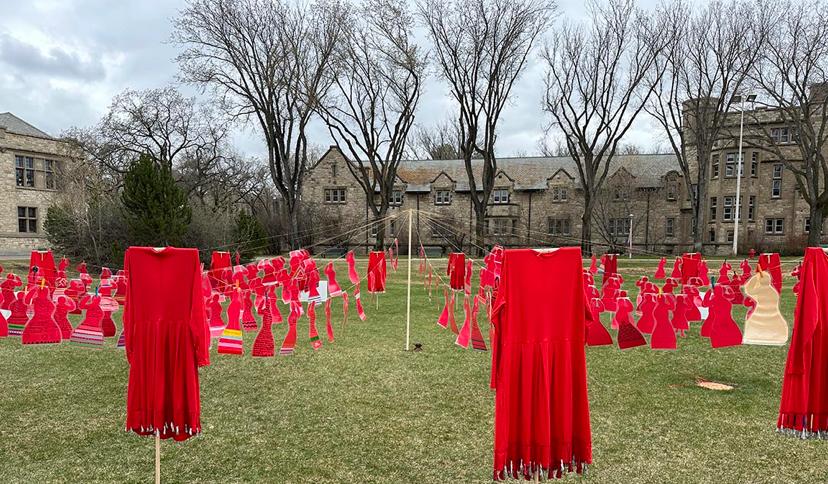
Across Canada, thousands of people gathered on May 5 to observe Red Dress Day, a national day of remembrance dedicated to Missing and Murdered Indigenous Women, Girls and Two Spirit people. From major urban centres to small Indigenous communities, red dresses hanging from trees, public buildings, schools and memorial spaces became powerful symbols of grief, resistance and remembrance as Canadians reflected on one of the country’s most painful and unresolved human rights issues.
Events were organized in dozens of Canadian cities including Calgary, Edmonton, Vancouver, Winnipeg, Toronto, Ottawa, Montreal, Regina, Saskatoon, Halifax and many northern and rural Indigenous communities. Universities, municipal offices, provincial legislatures and Parliament Hill joined the observance with ceremonies, public discussions and memorial walks aimed at raising awareness about the ongoing crisis affecting Indigenous families across the country.
The annual observance has become one of the most emotionally significant awareness movements in Canada since the release of the National Inquiry into Missing and Murdered Indigenous Women and Girls report, which concluded that Indigenous women and girls face disproportionate levels of violence rooted in colonialism, systemic racism and social inequality. Families attending ceremonies this year once again demanded stronger action from governments and policing agencies, saying many recommendations from the inquiry remain unfulfilled years after they were announced.
Federal and provincial leaders issued public statements recognizing the importance of the day and acknowledging the pain experienced by Indigenous communities. Canadian Prime Minister Mark Carney stated that Red Dress Day serves as a reminder that reconciliation must include justice and safety for Indigenous women and girls. He emphasized that remembrance alone is not enough and that governments must continue working with Indigenous leadership to address violence, improve policing accountability and expand community support services.
Governor General Mary Simon also addressed the national observance, describing the red dresses seen across the country as symbols carrying the stories of mothers, daughters, sisters and community members who never returned home. She called on Canadians to confront uncomfortable truths about discrimination and violence while supporting Indigenous-led healing initiatives.
In Calgary, local Indigenous organizations held memorial walks and educational events attended by municipal leaders, community advocates and youth groups. Members of the Calgary City Council joined community elders during ceremonies where speakers discussed the need for greater investment in shelters, mental health support and protection services for vulnerable Indigenous women. Red dresses were displayed throughout downtown areas, educational institutions and community gathering sites as residents paused to reflect on the stories behind each empty dress.
Alberta Premier Danielle Smith issued a statement recognizing the importance of supporting families affected by loss and violence while encouraging Albertans to participate in community conversations around reconciliation and public safety. Indigenous leaders in Alberta welcomed public recognition but stressed that symbolic gestures must be matched with long term policy changes and practical action.
In Winnipeg, where many Indigenous families have been at the forefront of advocacy efforts, large crowds gathered at memorial sites carrying photographs of loved ones and wearing red clothing in solidarity. Community organizers said the participation of youth and students has grown significantly in recent years, reflecting a wider understanding among younger Canadians about the historical and social conditions that contributed to the crisis.
Educational institutions across Canada also marked the day through classroom discussions, exhibitions and cultural programming. Teachers and Indigenous educators used the observance to discuss the legacy of residential schools, intergenerational trauma and systemic inequality while encouraging students to engage with Indigenous history and contemporary issues in meaningful ways.
The red dress itself has become one of Canada’s most recognized modern protest symbols. Inspired by the work of Métis artist Jaime Black, the dresses represent both absence and presence, reminding Canadians of lives lost while ensuring those stories are not forgotten. Empty red dresses hanging in public spaces continue to create emotional and visual impact because they symbolize voices silenced through violence yet still remembered by families and communities.
Community advocates say public participation in Red Dress Day has expanded dramatically over the past decade, transforming it from a grassroots awareness movement into a nationally recognized call for justice. However, activists also warn that awareness alone cannot replace urgent reforms needed within healthcare systems, social services, policing institutions and judicial processes.
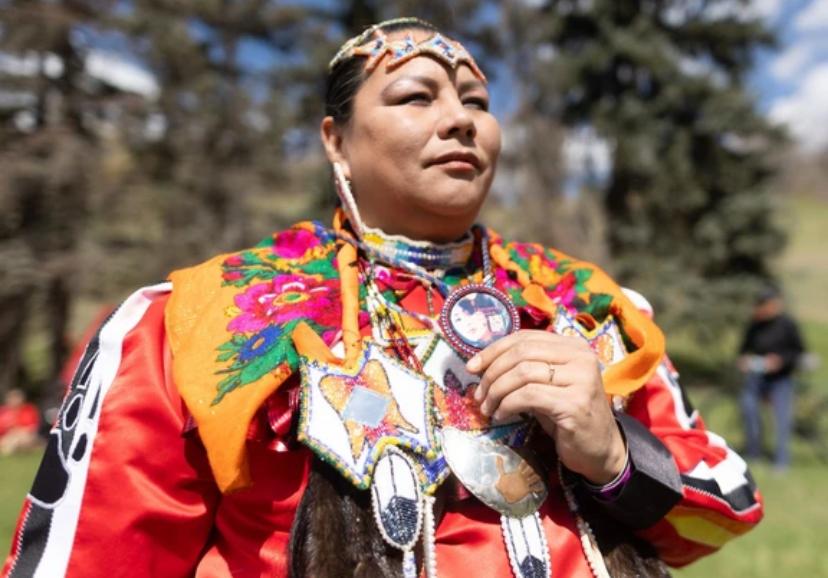
For many families attending ceremonies this year, the observance remained deeply personal. Parents carried portraits of daughters who disappeared years ago. Survivors shared stories of trauma and resilience. Elders offered prayers and songs while drummers led marches through city streets lined with red ribbons and dresses fluttering in the wind.
As ceremonies concluded across the country, organizers reminded Canadians that Red Dress Day is not simply a symbolic annual event but an ongoing movement demanding accountability, justice and protection for future generations. The growing participation of governments, educational institutions and citizens reflects increasing national awareness, yet Indigenous leaders continue to stress that the true measure of reconciliation will be seen not in statements or ceremonies, but in meaningful action capable of ending violence against Indigenous women, girls and Two Spirit people across Canada.
Post Disclaimer
The views and content presented in this article, news report, or video are solely those of the respective author or creator and do not necessarily reflect the official policy or position of BW Times Digital Online E-Paper.










Leave a comment