







Celebrating a Visionary: Sadequain Art Exhibition Opens in Mississauga Honoring a Legendary Pakistani Artist
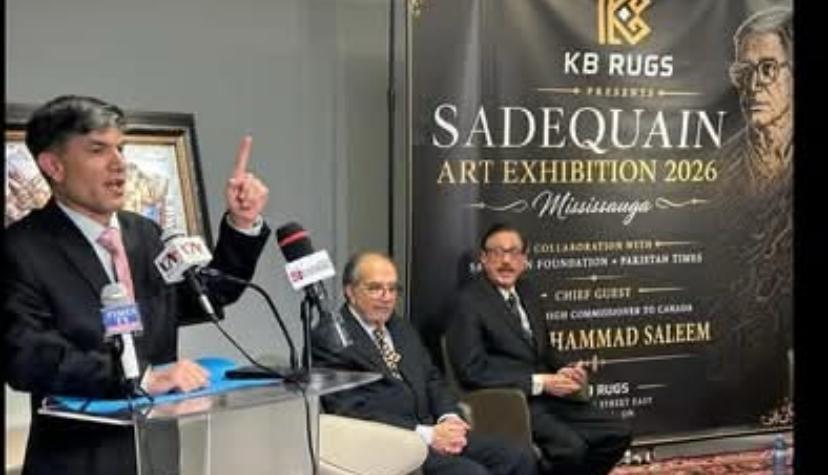
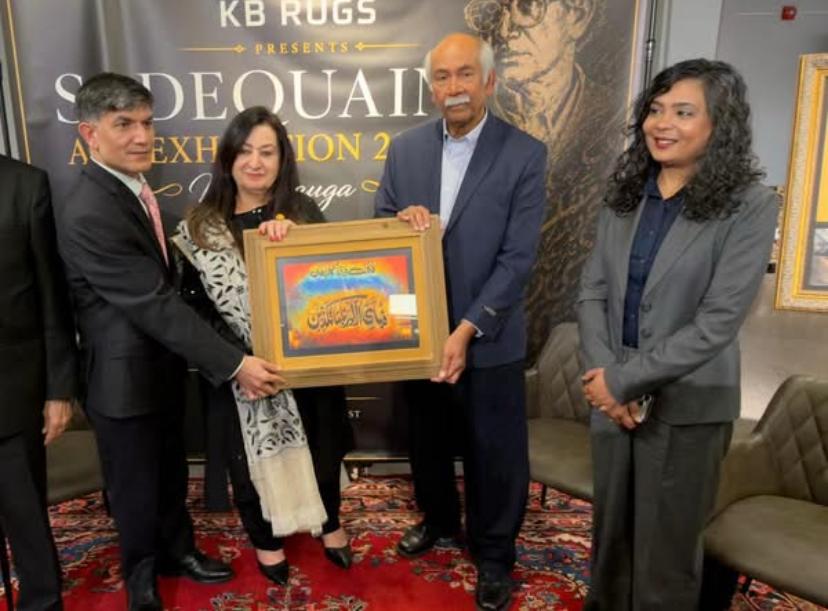
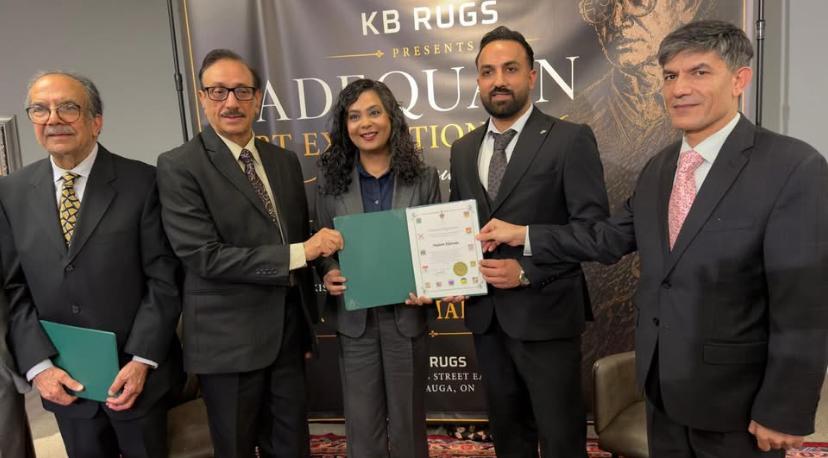
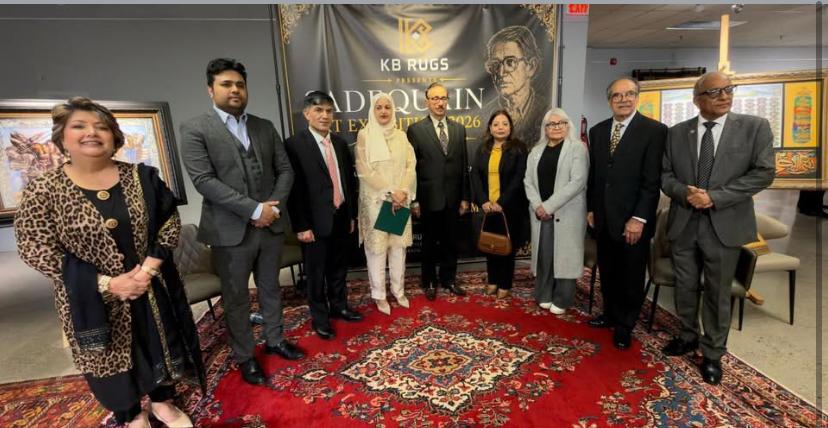
The inauguration of the Sadequain Art Exhibition in Mississauga marked a vibrant celebration of artistic brilliance and cultural heritage, as Pakistan’s High Commissioner to Canada, Muhammad Saleem, formally opened the three-day event. The exhibition pays tribute to the extraordinary legacy of Syed Sadequain Ahmed Naqvi, widely recognized as one of the most influential and visionary artists in Pakistan’s history.
Organized by the Sadequain Foundation in collaboration with community partners, the exhibition brings together an impressive collection of Sadequain’s works, offering visitors an immersive journey through his artistic and intellectual world. From powerful calligraphic compositions to evocative paintings and thought-provoking sketches, the display reflects the depth of his creativity and the philosophical undertones that define his work.
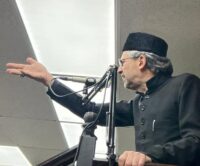
In his opening remarks, High Commissioner Muhammad Saleem highlighted the importance of preserving and promoting cultural heritage through such initiatives. He noted that Sadequain’s art transcends borders and speaks to universal human experiences, making it deeply relevant even decades after his passing. He emphasized that exhibitions like this not only honor Pakistan’s artistic legacy but also strengthen cultural connections within Canada’s diverse society.
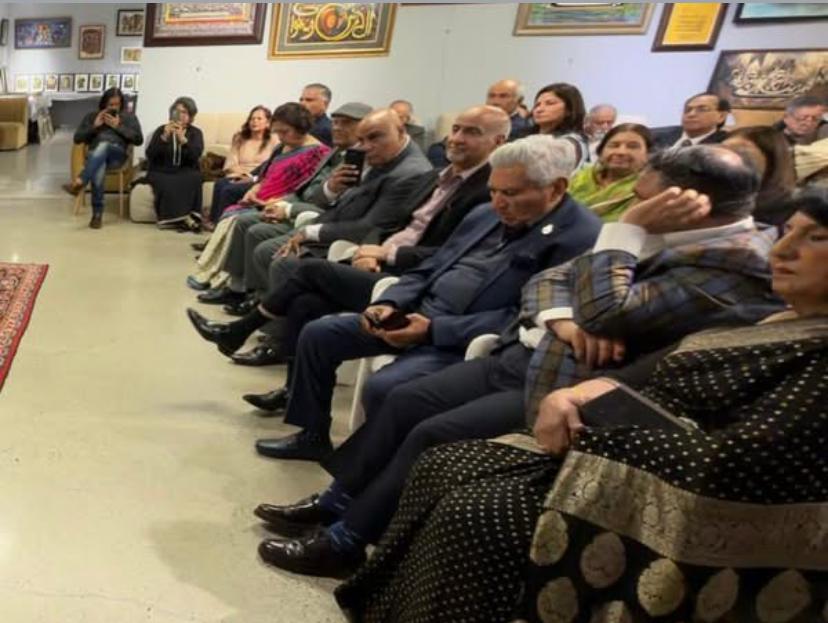
The exhibition has drawn a wide range of attendees, including art lovers, students, academics, and members of civil society. Among them are students from institutions such as the Aga Khan Foundation Academy, who are engaging directly with the artworks as part of an educational experience. For many visitors, the exhibition offers a rare opportunity to witness the brilliance of Sadequain’s creations up close and to better understand the cultural narratives embedded in his work.
To fully appreciate the significance of this exhibition, it is essential to reflect on the life and achievements of Syed Sadequain Ahmed Naqvi. Born in 1930 in Amroha, India, Sadequain migrated to Pakistan after the partition in 1947. Despite facing financial hardships in his early years, he demonstrated exceptional artistic talent from a young age. His dedication to his craft and his relentless pursuit of creative expression soon set him apart as a unique voice in the world of art.
Sadequain’s artistic journey evolved through various phases, each marked by innovation and experimentation. Initially known for his figurative paintings, he gradually developed a distinctive style that combined elements of modernism with traditional Islamic aesthetics. His work often depicted themes of struggle, resilience, and the human condition, reflecting his deep engagement with philosophical and social issues.
One of Sadequain’s most remarkable contributions was his revival and transformation of Islamic calligraphy into a modern art form. He elevated calligraphy beyond its traditional boundaries, infusing it with dynamic movement, bold compositions, and emotional intensity. His calligraphic works, often inspired by Quranic verses and classical poetry, are celebrated for their ability to convey both spiritual depth and visual power.
In addition to his calligraphy, Sadequain was renowned for his large-scale murals, many of which adorn public buildings in Pakistan and abroad. These murals, characterized by intricate detail and symbolic imagery, stand as enduring monuments to his artistic vision. Notable examples can be found in institutions such as the State Bank of Pakistan and the Lahore Museum, where his work continues to inspire audiences.
Sadequain was also a gifted poet, writing extensively in Urdu. His poetry, much like his visual art, explored themes of existential reflection, societal challenges, and the pursuit of truth. This dual mastery of visual and literary expression made him a truly multifaceted artist whose contributions extend beyond any single discipline.
Throughout his career, Sadequain received numerous accolades and international recognition. He represented Pakistan in exhibitions around the world, earning praise for his originality and depth. Despite his global success, he remained deeply connected to his roots and often used his art as a means of social commentary and cultural expression.
A defining aspect of Sadequain’s legacy is his commitment to making art accessible to the public. He famously refused to commercialize much of his work, choosing instead to donate murals and artworks to public institutions. This philosophy reflected his belief that art should serve society and be available to all, rather than confined to private collections.
At the Mississauga exhibition, this spirit of accessibility and engagement is evident in the way the artworks are presented. Visitors are encouraged not only to view the pieces but also to reflect on their meanings and the ideas they convey. The exhibition includes a diverse range of works, from intricate calligraphy to expressive drawings, each offering insight into different aspects of Sadequain’s creative journey.
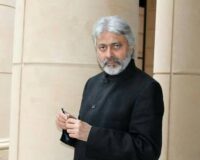
Adding intellectual depth to the event, Pakistani scholar and poet Ashfaq Hussain is providing detailed reflections on Sadequain’s life and work. His commentary helps contextualize the artworks, offering audiences a deeper understanding of the historical, cultural, and philosophical influences that shaped Sadequain’s vision.
The exhibition also serves as a platform for cultural dialogue, bringing together individuals from different backgrounds to engage with Pakistan’s artistic heritage. In a multicultural setting like Mississauga, such events play a vital role in fostering mutual understanding and appreciation. They highlight the richness of global cultures while emphasizing shared human experiences.
As visitors move through the exhibition, they encounter not just a collection of artworks but a narrative of creativity, resilience, and intellectual exploration. Sadequain’s work challenges viewers to think critically and to connect with deeper questions about identity, spirituality, and the human condition.
The success of the exhibition underscores the enduring relevance of Sadequain’s legacy. Decades after his passing in 1987, his art continues to inspire and resonate with audiences around the world. His ability to merge tradition with modernity, and to express complex ideas through powerful visual language, ensures that his work remains timeless.
In celebrating Sadequain’s achievements, the Mississauga exhibition stands as a testament to the power of art to transcend boundaries and bring people together. It honors not only a remarkable artist but also the cultural richness that he represents. Through this initiative, the legacy of Syed Sadequain Ahmed Naqvi continues to shine, inspiring new generations to explore the transformative potential of art and creativity.








Leave a comment