















The operation that led to the death of Osama bin Laden was the result of years of intelligence work, political debate, and careful military planning inside the United States government. It unfolded under the authorization of Barack Obama, who spent months reviewing intelligence assessments and consulting his closest national security officials before making the final decision.
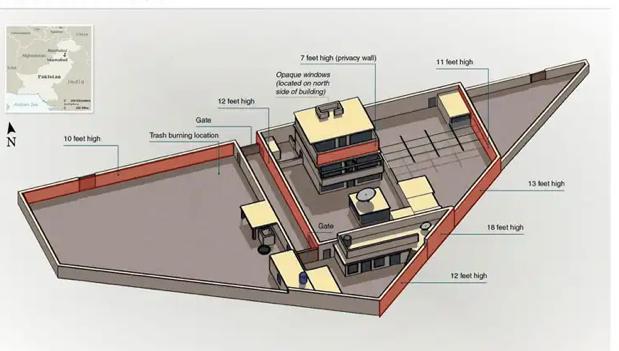
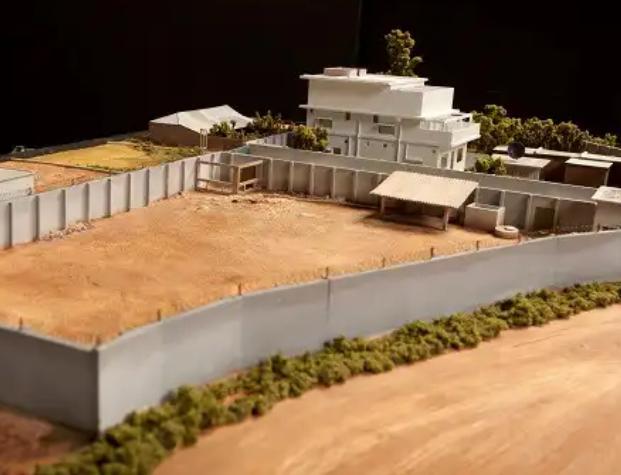
The intelligence breakthrough came through the Central Intelligence Agency, which had been tracking a trusted courier linked to bin Laden. This courier eventually led analysts to a fortified compound in Abbottabad. The location immediately raised questions because it was a relatively prominent city with a strong military presence. Surveillance of the compound continued for months, including aerial monitoring and behavioral analysis of the residents. While there was no direct visual confirmation of bin Laden, the patterns strongly suggested a high-value individual was hiding there.
Inside the U.S. administration, intense discussions took place about how to act. Leon Panetta strongly supported a targeted raid, emphasizing the confidence level in the intelligence. Hillary Clinton weighed diplomatic consequences, particularly how Pakistan and the broader international community would respond. Robert Gates brought a cautious perspective, reminding the team of past intelligence failures and the risks of acting on incomplete certainty. There was also discussion of using an airstrike, but that option was ultimately rejected because it would have destroyed evidence and made identification difficult.
The final plan involved a covert ground assault by the elite Naval Special Warfare Development Group. The mission was designed to enter Pakistani territory without detection, secure the compound, confirm the identity of the target, and extract safely within a very short timeframe. The secrecy was so strict that even Pakistan, officially a U.S. ally, was not informed. U.S. officials feared that advance notice might risk leaks that could allow the target to escape.
On the night of the operation, helicopters crossed into Pakistan from Afghanistan at low altitude to avoid radar. When the team reached the compound, an unexpected helicopter malfunction caused a crash landing within the walls. Despite this, the operation continued without delay. The commandos moved through the buildings methodically, engaging individuals who resisted and advancing toward the upper floors where bin Laden was believed to be.
When they reached him, Osama bin Laden was shot and killed. The team quickly confirmed his identity using facial recognition and later DNA testing. They also seized a large amount of intelligence material, including digital files and written documents, which later provided insight into al-Qaeda’s operations and plans. Before leaving, they destroyed the downed helicopter to prevent sensitive technology from being recovered.
The entire mission lasted less than an hour. After departure, bin Laden’s body was transported and eventually buried at sea from the USS Carl Vinson. U.S. officials stated that this was done to avoid creating a physical burial site that could become a place of symbolic importance.
The announcement by Barack Obama came shortly afterward in a nationally televised address, where he described the operation as a significant step in addressing the legacy of the September 11 attacks. His administration framed the mission as both a justice-driven action and a strategic success.
Pakistan’s reaction was complex and, at times, defensive. Leaders including Asif Ali Zardari and Yousaf Raza Gillani expressed concern over the violation of sovereignty while also acknowledging the importance of removing a figure like bin Laden. The fact that the operation occurred without prior notification created embarrassment for Pakistan’s military and intelligence institutions.
To understand how such a high-profile individual could live undetected in Abbottabad, Pakistan established the Abbottabad Commission. The commission examined intelligence failures, communication gaps, and institutional weaknesses. Its findings suggested that the issue was not a coordinated effort to shelter bin Laden but rather a combination of negligence and systemic shortcomings. Still, doubts persisted internationally, and some analysts continued to question whether elements within Pakistan might have had some level of awareness.
Globally, the reaction reflected both relief and concern. Many countries supported the outcome, seeing it as a justified action against a figure responsible for major acts of terrorism. At the same time, the method raised legal and diplomatic questions. Conducting a military operation inside another sovereign country without consent challenged established norms and sparked debate about the limits of such actions in counterterrorism.
Within Pakistan, public opinion was divided. Some viewed the killing of bin Laden as necessary, while others were more troubled by the breach of national sovereignty. The incident intensified scrutiny of Pakistan’s internal security systems and its relationship with the United States.
In the years that followed, the operation became a defining example of modern counterterrorism strategy. It demonstrated how intelligence gathering, political decision-making, and special operations forces could be combined to carry out a highly precise mission. At the same time, it left unresolved questions about international law, trust between allies, and the broader consequences of unilateral military action.
Post Disclaimer
The views and content presented in this article, news report, or video are solely those of the respective author or creator and do not necessarily reflect the official policy or position of BW Times Digital Online E-Paper.










Leave a comment