













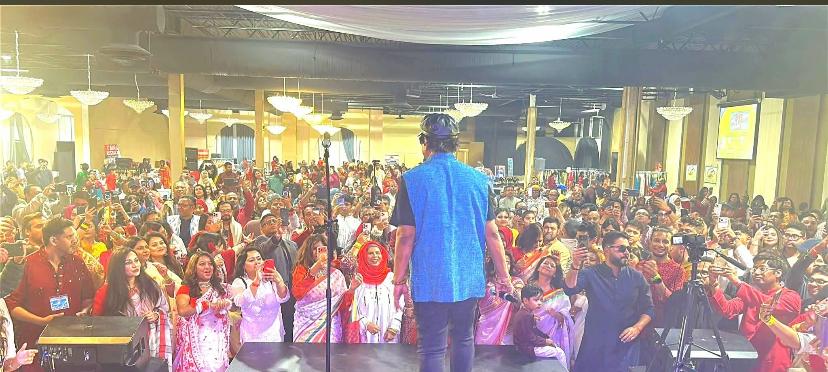
The Bangladeshi Association of Calgary organized a vibrant and memorable Pohela Boishakh celebration, bringing together not only the Bangladeshi community but also members of the Pakistani community in a spirit of unity and cultural harmony. The event beautifully reflected the essence of the Bengali New Year, combining tradition, diversity, and a shared sense of belonging in multicultural Canada.
Distinguished guests, including MLA Irfan Sabir and MLA Gurinder Brar, attended the celebration and expressed their appreciation for the role such cultural events play in strengthening community ties. Their presence underscored the importance of inclusivity and mutual respect among different communities living in Calgary.
The event featured lively music and colorful dance performances that captivated the audience and brought festive energy to the gathering. Traditional Bengali songs, rhythmic dances, and modern performances blended seamlessly, creating an engaging atmosphere for attendees of all ages. The celebration was not just an event, but a reflection of cultural pride and community spirit that resonated deeply with everyone present.
To truly understand the significance of Pohela Boishakh, it is important to explore its rich historical background. Pohela Boishakh, marking the first day of the Bengali calendar, has its roots in the agricultural traditions of the Bengal region, which today includes Bangladesh and parts of eastern India. The festival symbolizes renewal, hope, and the beginning of a new cycle of life, closely tied to the rhythms of nature and farming.
The origins of the Bengali calendar can be traced back to the Mughal era during the reign of Emperor Akbar in the 16th century. At that time, the Islamic lunar calendar was used for administrative purposes, including tax collection. However, since the lunar calendar did not align with the solar agricultural seasons, it created difficulties for farmers who were required to pay taxes regardless of harvest cycles. To resolve this issue, Akbar introduced a reformed calendar known as the Fasholi Shan or harvest calendar, which later evolved into the Bengali calendar. This system aligned taxation with the harvest season, making it more practical and fair for agricultural communities.
Over time, what began as an administrative reform transformed into a major cultural celebration. Farmers would clear their dues at the end of the year and begin the new year with fresh accounts, a tradition that is still observed today in the form of Haal Khata. Shopkeepers invite customers to settle previous balances and start new business relationships, often offering sweets as a gesture of goodwill.
As centuries passed, Pohela Boishakh became more than just an economic marker. It evolved into a cultural and social festival that transcended religion and class. During the 20th century, especially under British colonial rule and later during political movements in East Bengal, the festival took on a deeper meaning as a symbol of Bengali identity and unity. Cultural organizations and intellectuals played a key role in shaping the modern form of the celebration.
One of the most iconic traditions associated with Pohela Boishakh is the Mangal Shobhajatra, a colorful procession that originated from the University of Dhaka. Introduced in 1989 by students and teachers of the Faculty of Fine Arts, this procession was initially organized as a form of cultural resistance against authoritarianism. It featured symbolic masks, sculptures, and artistic expressions representing the triumph of good over evil. Over the years, Mangal Shobhajatra has become a central part of the celebrations and was recognized by UNESCO as an Intangible Cultural Heritage of Humanity.
Music also plays a vital role in the festival. At dawn, people gather in open spaces to welcome the new year with traditional songs, particularly those composed by Rabindranath Tagore. His songs, known as Rabindra Sangeet, capture themes of nature, renewal, and human connection, perfectly aligning with the spirit of Pohela Boishakh.
Food is another important element of the celebration. Traditional dishes such as Panta Ilish are widely enjoyed, symbolizing the simplicity and agricultural roots of Bengali life. The combination of fermented rice and fried hilsa fish has become an iconic representation of the festival.
In modern times, Pohela Boishakh is celebrated not only in Bangladesh but also by Bengali communities around the world. In cities like Calgary, such events serve as a bridge between generations, allowing younger members of the diaspora to connect with their cultural heritage while also sharing it with others. The participation of different communities, including Pakistanis and other cultural groups, highlights the universal appeal of the festival’s message, unity, renewal, and joy.
The celebration organized in Calgary stands as a testament to how cultural traditions can thrive far from their place of origin. It reflects the adaptability and resilience of communities who carry their heritage with pride while embracing diversity. Events like these strengthen social bonds and promote mutual understanding, making multicultural cities like Calgary richer and more vibrant.
In conclusion, Pohela Boishakh is not just a New Year celebration. It is a living tradition shaped by history, agriculture, art, and collective identity. From its origins in the Mughal court of Emperor Akbar to its modern day celebrations across the globe, the festival continues to inspire people with its message of hope and new beginnings. The Calgary event successfully captured this spirit, leaving a lasting impression on all who attended and reinforcing the importance of cultural unity in today’s world.
Post Disclaimer
The views and content presented in this article, news report, or video are solely those of the respective author or creator and do not necessarily reflect the official policy or position of BW Times Digital Online E-Paper.








Leave a comment