















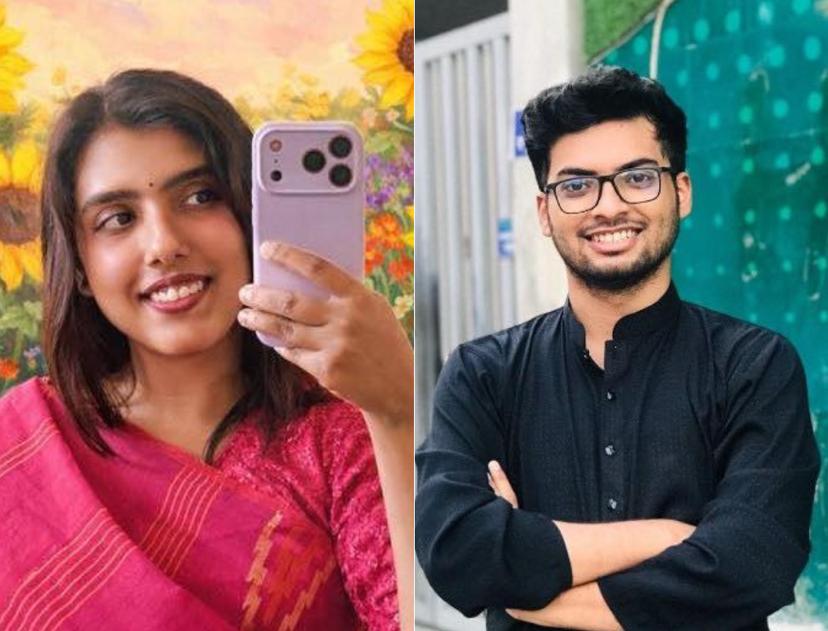
A deeply distressing incident in the U.S. state of Florida has shaken the Bangladeshi community both at home and abroad, following the brutal killing of two young students whose promising futures were cut short. The tragedy has not only raised serious concerns about personal safety but has also reopened wider conversations about violence affecting international students and Asian communities in different parts of the world.
According to American media reports, Jamil Lemon, a 27-year-old Bangladeshi PhD student at the University of South Florida, was found dead after authorities arrested his roommate in connection with a double homicide. Police have identified the suspect as 26-year-old Hisham Abu Gharbia, who now faces two counts of first-degree murder.
Investigators revealed that Lemon’s body was discovered on the Howard Frankland Bridge. The location of the discovery has added another layer of mystery to the case, as authorities work to determine how and why the victim’s body was transported there. Law enforcement officials are continuing to piece together a timeline of events leading up to the killings.
Nahida Bristi, a chemical engineering student who had recently enrolled at the same university, was initially reported missing. In a tragic development, her family was later informed that DNA evidence collected from the suspect’s apartment confirmed her death. This confirmation has left her loved ones devastated, especially as she had only just begun her academic journey in the United States with hopes of building a better future.
Jamil Lemon had been pursuing a doctorate in geography, environmental science, and policy and was widely regarded as a committed and intelligent student. His academic work reflected a deep interest in global environmental challenges and sustainable development. Nahida Bristi, described by friends as determined and kind, had shown great promise in her field of chemical engineering.
As the investigation progresses, authorities have indicated that forensic evidence and digital records recovered from the suspect’s residence are playing a crucial role in understanding the motive behind the killings. However, officials have not yet publicly disclosed a clear reason for the crime. Investigators are also examining whether there were any prior disputes or warning signs that could help explain what led to this tragic outcome.
The incident has sent shockwaves through the Bangladeshi diaspora, particularly among students studying abroad. Community members in Florida and beyond have started organizing vigils and memorial gatherings to honor the victims. Calls for improved safety measures, better monitoring of student housing, and stronger support systems for international students have grown louder in the wake of this tragedy.
The University of South Florida administration has responded by offering counseling services and mental health support to students affected by the incident. University officials are also cooperating with law enforcement agencies as the investigation continues.
Beyond this specific case, the tragedy has drawn attention to a broader and deeply concerning pattern of violence affecting Asian and international communities in recent years. Incidents targeting individuals of Asian origin, including students and immigrants, have increased in visibility, particularly after the global tensions and social divisions that followed the COVID-19 pandemic.
One of the most widely reported cases was the Atlanta spa shootings, where multiple victims, many of them Asian women, lost their lives in a series of targeted attacks. The incident sparked global outrage and brought renewed attention to anti-Asian hate crimes.
Another shocking event was the killing of Vicha Ratanapakdee, an elderly Thai man who died after being violently pushed to the ground during an unprovoked attack in San Francisco. His death became a symbol of the vulnerability faced by many elderly Asian individuals living abroad.
Similarly, the case of Michelle Alyssa Go highlighted the dangers present even in busy urban environments. She was pushed in front of a subway train in New York City, a horrifying act that once again raised alarms about public safety and hate-driven violence.
These incidents, along with many others, have contributed to a growing sense of fear and uncertainty among Asian communities worldwide. While each case has its own circumstances and motives, together they paint a troubling picture of the risks faced by minority communities, particularly those living far from their home countries.
It is important, however, to approach each tragedy carefully and responsibly. In the Florida case involving Jamil Lemon and Nahida Bristi, authorities have not indicated that the crime was racially motivated. Still, the emotional impact resonates strongly within the Bangladeshi and wider Asian community because of the shared experience of vulnerability in unfamiliar environments.
Community leaders, activists, and student organizations are increasingly calling for stronger protections, improved awareness, and more proactive measures to ensure the safety of international students. This includes better housing regulations, accessible reporting systems for threats or harassment, and community-building efforts that reduce isolation among students living abroad.
At the same time, universities across the United States are under growing pressure to reassess their safety protocols and provide more comprehensive support networks. The role of institutions like the University of South Florida is now under closer scrutiny, as students and families expect not only academic opportunities but also a secure and supportive environment.
As the investigation into this heartbreaking case continues, families of the victims are left grieving an unimaginable loss. Friends, classmates, and members of the global Bangladeshi community are mourning two young lives that held immense promise and potential.
The search for justice is ongoing, and authorities are expected to release more details as new evidence emerges. Until then, this tragedy stands as a painful reminder of the fragility of life and the urgent need for stronger safeguards to protect students and communities everywhere.
Post Disclaimer
The views and content presented in this article, news report, or video are solely those of the respective author or creator and do not necessarily reflect the official policy or position of BW Times Digital Online E-Paper.











Leave a comment