














Havana, Cuba (April 18, 2026) — A major geopolitical flashpoint has emerged after Russia delivered a large oil shipment to Cuba, challenging what officials describe as a U.S.-led blockade on the island nation.
The Russian tanker Anatoly Kolodkin arrived in Cuba on March 30 carrying approximately 100,000 tons of oil, ending a three-month gap in fuel deliveries that had triggered a severe energy crisis.
Crisis Conditions in Cuba
Before the shipment, Cuba faced widespread shortages of fuel, food, and essential supplies. The lack of oil had forced rolling blackouts lasting up to 20 hours a day, severely impacting daily life for millions.
The situation escalated after tensions in the region, including U.S. actions against Venezuela, disrupted Cuba’s traditional oil supply chain.
Russia Sends Strategic Message
Russian officials framed the delivery as both humanitarian and strategic, signaling Moscow’s continued support for Havana. Cuban Ambassador Juan Carlos Marsan Aguilera described the shipment as more than just energy assistance, calling it a message of solidarity during a critical moment.
The Kremlin has indicated it intends to continue supporting Cuba despite pressure, underscoring long-standing ties between the two nations.
Military and Strategic Implications
Analysts suggest Russia’s ability to deliver the oil shipment may be linked to shifting global military dynamics, particularly the United States’ involvement in other conflicts.
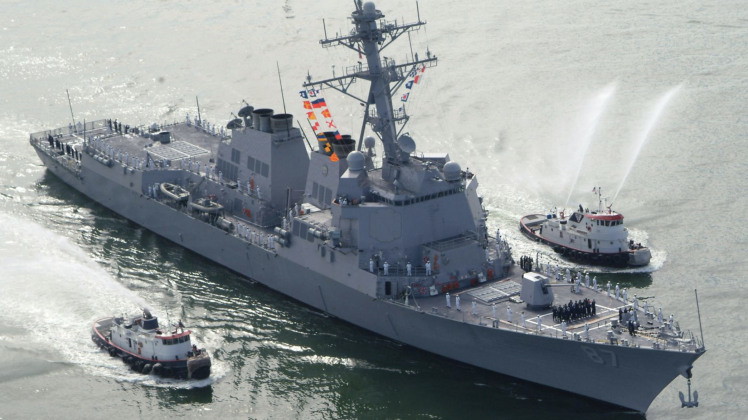
There has been speculation that Russian naval assets, including submarines, may have been deployed to ensure the tanker’s safe passage, though this has not been officially confirmed. The presence of U.S. naval forces, including Arleigh Burke-class destroyer vessels, had been part of efforts to enforce the blockade.
Short-Term Relief, Long-Term Uncertainty
The oil shipment has already helped reduce power outages across Cuba, though experts warn the supply is only enough to meet demand for a limited period. The long-term outlook depends heavily on whether further shipments can reach the island and how geopolitical tensions evolve.
China’s Growing Role in Cuba’s Energy Sector
In parallel, China has been expanding Cuba’s renewable energy capacity. Investments in solar infrastructure have rapidly increased power generation, helping reduce reliance on imported fuel.
Solar energy now accounts for a growing share of Cuba’s electricity production, with dozens of solar parks built in recent years and more planned.
Global Implications
The delivery highlights rising tensions between major global powers and raises questions about the enforcement and effectiveness of economic blockades. It also reflects the shifting alliances shaping global energy and security dynamics.
Courtesy: militarywatchmagazine
Post Disclaimer
The views and content presented in this article, news report, or video are solely those of the respective author or creator and do not necessarily reflect the official policy or position of BW Times Digital Online E-Paper.










Leave a comment