










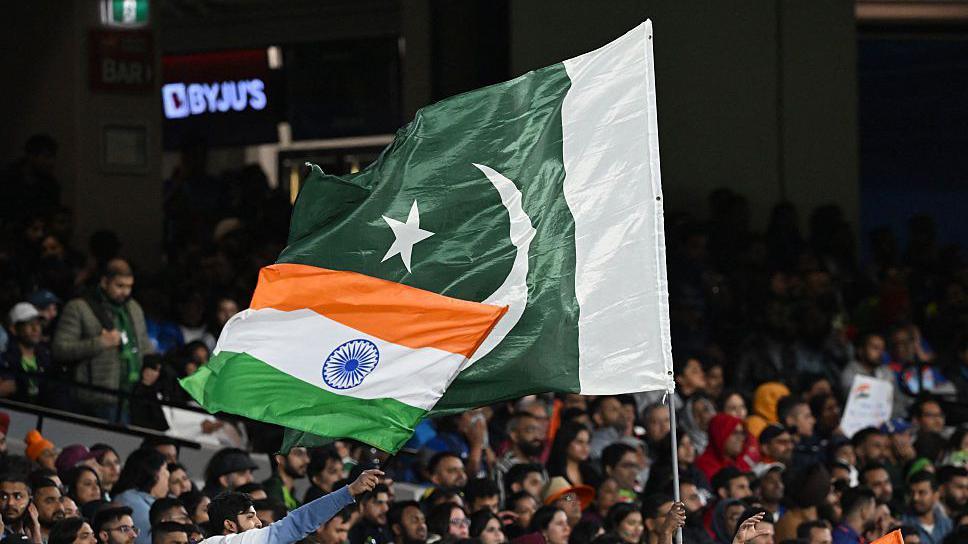
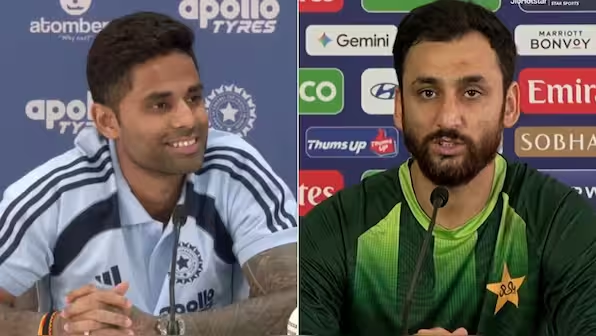
Tomorrow, as Pakistan and India face each other in the T20 World Cup, the world’s attention will once again turn to one of cricket’s most emotionally charged rivalries. For millions across South Asia and beyond, this contest is never just about runs and wickets. It is about history, pride, identity and increasingly, about politics that echo far beyond the boundary rope.
Hovering over this spectacle is the name of Imran Khan the former prime minister and 1992 World Cup winning captain who once united the nation under a single sporting dream. Today, his situation has become a subject of heated debate, particularly regarding his health, legal proceedings, and access to medical treatment.
For many supporters, the contrast is striking. The man who led Pakistan to its greatest cricketing triumph now finds himself at the center of a legal and political storm. Questions are being raised about transparency in his trials, the conditions of his detention, and whether he is receiving adequate medical care. His critics argue that due process is being followed and that institutions are functioning within constitutional boundaries. His supporters insist that justice must not only be done but must be seen to be done openly, fairly, and without political overtones.
The timing of the India–Pakistan match intensifies this conversation. Critics of the current political climate argue that major sporting events often shift public focus away from urgent national issues. In their view, while the nation rallies behind the cricket team, deeper concerns about governance, accountability, and civil liberties fade temporarily into the background. Others counter that sport offers a rare moment of collective relief a pause from division and uncertainty and that citizens are capable of caring about both cricket and constitutional questions simultaneously.
Within cricketing circles, silence has also become part of the discussion. Legendary figures such as Wasim Akram, Waqar Younis, Rameez Raja, Inzamam-ul-Haq, and Moin Khan many of whom rose to prominence under Imran Khan’s leadership are frequently mentioned in public discourse. Social media platforms are filled with appeals asking former teammates and cricket administrators to speak about his current condition. Yet the boundary between sports and politics remains delicate. Athletes often tread carefully, aware that public statements can have professional and personal consequences.
The overseas Pakistani community, from cities like Calgary to major centers in the United States and Europe, has organized demonstrations and awareness campaigns. However, participation numbers have varied. Critics argue that only a small percentage of the diaspora has actively taken to the streets. Others respond that expatriates face legal, professional, and immigration considerations that limit open political activism. Still, the emotional connection to developments back home remains strong.
At the heart of the debate lies a broader question about institutional trust. Pakistan’s judicial system, like many around the world, operates under intense scrutiny when high-profile political figures are involved. Transparency in legal proceedings, access to medical care for detainees, and timely hearings are not merely political demands; they are principles embedded in the concept of rule of law. When clarity is absent, speculation flourishes.
Tomorrow’s match will generate noise cheers, slogans, celebrations, and heartbreak. Flags will wave, and millions will tune in across continents. Yet beneath the spectacle, a quieter conversation continues: Can a nation celebrate sport while simultaneously demanding accountability and fairness from its institutions? Can public attention stretch wide enough to hold both excitement and concern?
Cricket may offer temporary unity, but governance and justice shape the long-term trajectory of a country. The scoreboard will change within hours. The larger questions — about health, legal rights, political responsibility, and civic courage will remain long after the final over is bowled.
In that sense, the India–Pakistan clash is more than a sporting event. It is a mirror reflecting a society negotiating its priorities passion for the game, loyalty to leaders, and expectations from its institutions. How those priorities are balanced will define not only the mood of tomorrow, but the direction of the days that follow.
Post Disclaimer
The views and content presented in this article, news report, or video are solely those of the respective author or creator and do not necessarily reflect the official policy or position of BW Times Digital Online E-Paper.







Leave a comment