















Alberta is entering a period of intense political debate as questions surrounding the province’s future relationship with Canada continue to attract growing public attention. Discussions about Alberta separation have moved beyond political slogans and increasingly focused on the practical financial, constitutional and economic consequences that would follow any attempt to create an independent Alberta.
At the centre of the debate are numerous unanswered questions about how separation would affect Alberta’s economy, public finances, taxation, pensions, trade and government services. While supporters of independence argue that Alberta could have greater control over its resources and financial decisions, critics warn that establishing a new country would involve significant uncertainty and complex negotiations.
One of the biggest questions concerns Alberta’s financial position within Confederation. Any separation process would require negotiations over government assets, liabilities, federal programs and potentially a share of national debt. Determining how those responsibilities would be divided could become one of the most complicated elements of the process.
The future of pensions would also require careful consideration. Alberta residents participate in national programs, including the Canada Pension Plan, and questions would arise over how existing contributions and future benefits would be handled if Alberta established its own pension system.
Trade is another major issue. Alberta’s economy is deeply connected to the rest of Canada, with businesses depending on transportation networks and markets across provincial borders. An independent Alberta would have to establish new arrangements for trade, customs, transportation and financial regulation.
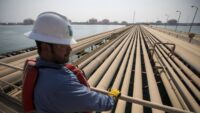
Energy exports would be particularly important. Alberta’s oil and natural gas industries depend on extensive infrastructure and access to domestic and international markets. Any constitutional change could create uncertainty for investors and companies operating in the province.
Supporters of separation argue that Alberta already possesses the economic resources and skilled population needed to operate independently. They believe greater control over taxation, natural resources and economic policy could allow the province to pursue its own priorities without federal involvement.
Opponents, however, argue that economic strength alone does not answer the many practical questions surrounding independence. A new country would require institutions normally associated with national governments, including foreign relations, border management, defence arrangements, currency and a broader regulatory framework.
Indigenous treaty rights would represent another critical constitutional issue. Alberta is home to numerous First Nations and Métis communities whose rights and agreements with the Crown predate modern provincial boundaries. Any discussion of separation would therefore have to address how existing constitutional and treaty obligations would continue to operate.
The debate is consequently much larger than a question of political dissatisfaction. It involves the structure of government, economic relationships and the constitutional foundation of the country.
For many Albertans, the discussion is also about identity. Some believe Alberta’s interests are not adequately represented within Canada, while others strongly identify with both Alberta and the country as a whole. The growing debate has demonstrated that people can hold very different views about the province’s future while sharing concerns about economic stability and the wellbeing of their communities.
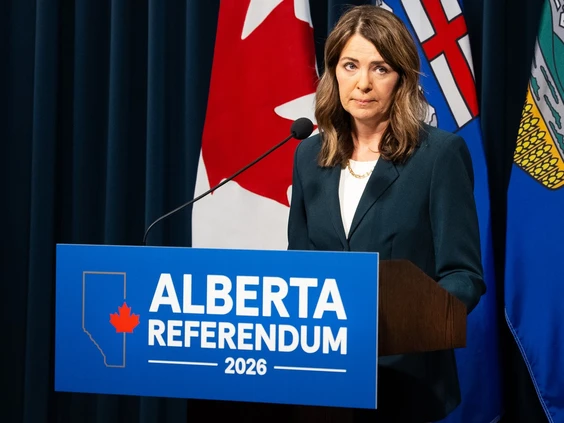
As Alberta moves closer to a potential referendum, voters are likely to face competing arguments from both sides. Supporters of remaining in Canada will emphasize the economic and institutional advantages of Confederation, while separatists will argue that independence could provide greater political and financial control.
Whatever position Albertans ultimately take, the decision would carry consequences extending far beyond a single election cycle. The unanswered financial, constitutional and economic questions deserve careful examination before voters make a choice that could reshape Alberta and Canada for generations.
The future of Alberta may indeed be at a crossroads, but understanding the facts behind the political debate will be essential. The province’s next chapter should be determined through informed public discussion rather than slogans, assumptions or political pressure.
Courtesy: calgaryherald
Post Disclaimer
The views and content presented in this article, news report, or video are solely those of the respective author or creator and do not necessarily reflect the official policy or position of BW Times Digital Online E-Paper.









Leave a comment